














Institutional-grade custody arrangements and multi-signature authorization protocols are now

Recent data from the 2026 Global Advisor Study suggests that approximately 60% of financial

Standard Custody and Trust Company maintains a 103% reserve coverage for RLUSD to ensure immediate liquidity and capital protection for its users. This rigorous approach to collateralization represents a departure from the opaque reserve practices that once characterized the early digital asset

The necessity for traceability in risk assessment functions ensures that human specialists can see exactly which business rules were applied to any given recommendation. This fundamental requirement highlights a broader transformation currently sweeping through global financial institutions as they

Institutional professionals access currency market trends through a protected research

The Growing Conflict Between Traditional Finance and Digital Assets The United Kingdom's financial

Klarna's move into the United Kingdom's retail banking market marks a major shift from niche installment payment services to a comprehensive financial ecosystem. In October 2025, after receiving…

Open banking has become a mainstream expectation. In the UK alone, open banking user connections

AI is emerging as an active economic participant, and financial systems built around human

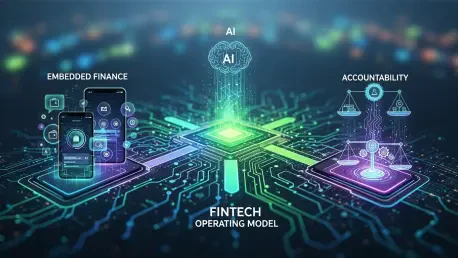
AI is reshaping how FinTech businesses manage risk, serve customers, and run their operations. The
Volatility is now a planning assumption that shapes every financial and operational decision.

Transparency in modern DeFi protocols is increasingly backed by mathematical certainty rather than marketing claims, as developers prioritize accountability over total value locked metrics. This fundamental shift marks the end of an era where speculative hype and unsustainable yields often dictated

The global financial landscape is currently undergoing a fundamental transformation as

Guilhem Chaumont identifies the lack of institutional-grade custody solutions as a major hurdle for