
Small-scale dairy producers across the rural landscapes of Brazil have long grappled with the prohibitive costs of traditional banking loans that often demand excessive collateral or impose suffocating interest rates. These hurdles have historically stifled the growth of family-run farms, leaving many unable to invest in modern machinery or genetic improvements for their herds. However, a significant shift in the financial landscape has emerged as agricultural tech startups begin leveraging blockchain technology to turn living assets into liquid capital. By converting dairy cows into unique digital tokens, farmers are bypassing the rigid structures of conventional finance and tapping into a decentralized credit pool. This evolution represents more than just a technological novelty; it is a fundamental restructuring of how risk and value are assessed in the primary sector. As the global demand for sustainable food increases, these digital initiatives provide a crucial bridge between production and capital.
Blockchain in Agricultural Credit
Digitizing Assets: The Token Process
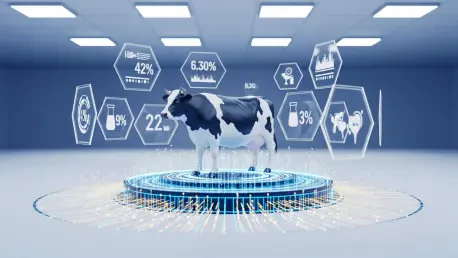
The process begins with the identification of individual animals through advanced biometric systems and electronic ear tags that record every aspect of health and productivity. These data points are then minted as non-fungible tokens on a secure ledger, creating a digital twin of each bovine asset that serves as a verifiable form of collateral. This system allows a farmer to offer the future production of the animal or the animal itself as security for a loan without losing possession of the herd. By standardizing the value of biological assets, the platform creates a transparent environment where credit is based on the actual health and output of the cattle.
In contrast to traditional mortgages that require physical property deeds, these digital tokens are divisible and mobile, allowing for fractional ownership or partial credit backing. This flexibility means that even smaller producers with modest herds can participate, as they no longer need to meet the massive minimum requirements of state-run development banks. This method ensures that the value inherent in a healthy, productive herd can be extracted efficiently to fund daily operations or long-term expansions. The transition to tokenized assets has effectively removed the high entry barriers that previously excluded thousands of rural entrepreneurs.
Intermediation: Connecting Investors
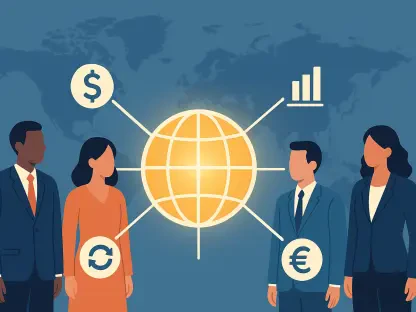
Connecting these tokenized cows to the broader market requires a robust decentralized finance infrastructure that can attract both institutional and retail investors. Once a cow is tokenized, the resulting digital asset is listed on a specialized exchange where investors can purchase yield-bearing tokens backed by milk sales or the eventual sale of the livestock. This mechanism creates a direct pipeline of liquidity from urban financial centers to remote pastures, offering investors a tangible way to diversify. This democratization of investment allows the public to support agricultural development while earning returns based on real-world production.
The interaction between agriculture and decentralized finance also eliminates many of the high administrative fees typically charged by traditional intermediaries. By utilizing smart contracts to automate payment distributions, the system ensures that when milk is sold to a dairy processor, a portion of the revenue is automatically diverted to repay the investors. This automation reduces the risk of default and increases the overall trust in the agricultural sector as a viable and accessible investment class. As these platforms grow, they create a more resilient financial ecosystem that is less dependent on the fluctuations of centralized banking.
Farm Management and Transparency
Monitoring: Data Integrity in Field
To maintain the integrity of the digital tokens, continuous real-time monitoring is implemented through a network of Internet of Things devices and satellite imagery. These sensors track location, movement, and feed consumption, ensuring that the physical asset behind the token remains healthy and productive throughout the duration of the loan. If a sensor detects a drop in activity or a potential illness, an alert is sent to both the farmer and the lender, allowing for immediate intervention before the value is compromised. This proactive approach to herd management significantly enhances the security of the underlying investment.
This level of granular data collection provides an unprecedented layer of transparency that was previously impossible in the livestock industry. Lenders can now see the precise status of their investment at any time, which significantly lowers the risk premiums that farmers were historically forced to pay. Furthermore, the immutable nature of the blockchain records prevents any tampering with the history or the health records of the cattle, fostering a culture of accountability. This transparency not only protects investors but also helps farmers optimize their operations by providing detailed insights into animal performance.
Strategy: The Path to Asset Autonomy
The successful integration of tokenization within the Brazilian dairy industry demonstrated that the democratization of credit was achievable through technological innovation. By moving away from centralized banking models, farmers secured the necessary capital to upgrade their facilities and implement more sustainable grazing practices that improved both yield and animal welfare. The shift toward digital assets encouraged a broader adoption of data-driven management across the region, proving that biological capital could be liquid. These early adopters paved the way for a more inclusive financial model that rewarded productivity and animal health.
Moving forward, stakeholders were encouraged to prioritize the standardization of these protocols to ensure cross-platform compatibility and broader investor participation. Expanding this model to other agricultural sectors, such as grain production or forestry, could further stabilize rural economies against market volatility. Regulatory bodies remained focused on creating clear legal definitions for tokenized biological assets to provide a secure environment for all participants. These advancements laid a solid foundation for a more resilient and equitable food system, ensuring that small-scale producers remained competitive.