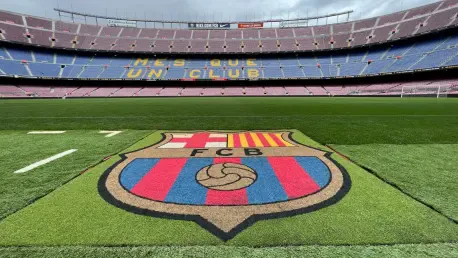

The landscape of professional sports has undergone a profound transformation as traditional loyalty programs evolve into sophisticated digital ecosystems that bridge the gap between global fanbases and the clubs they support. FC Barcelona is currently pioneering this shift by announcing the development of its own dedicated digital financial solution, built on the robust infrastructure of the Stellar blockchain. This initiative represents a significant departure from standard mobile applications, as it aims to consolidate ticketing, merchandise, and exclusive digital collectibles into a singular, user-centric interface. By choosing a decentralized ledger, the club is addressing the longstanding challenges of transaction transparency and high cross-border fees that have historically hampered international fan engagement. This move is not merely a technical upgrade but a strategic maneuver to reclaim direct ownership of the fan relationship in an increasingly fragmented digital economy where intermediaries often dictate the terms of data access.
The Technical Foundation: Leveraging Stellar for Efficiency
The selection of the Stellar network as the foundational layer for the Barca Mobile Wallet was a deliberate decision based on the protocol’s proven ability to handle high transaction volumes with minimal latency. Unlike other blockchain platforms that struggle with congestion during peak times, Stellar was designed specifically for the efficient movement of assets, making it an ideal candidate for a stadium environment where thousands of concurrent transactions occur during match days. The network’s consensus mechanism allows for nearly instantaneous settlement, ensuring that fans can purchase refreshments or official apparel without the delays typically associated with traditional payment processing or more cumbersome distributed ledgers. Moreover, the low energy consumption of the network aligns with the club’s broader sustainability goals, providing a green alternative to energy-intensive proof-of-work systems. This technical synergy ensures that the wallet remains both scalable and environmentally responsible.
Beyond basic transaction processing, the integration of Stellar enables the club to issue bespoke digital assets that can be programmed with specific utility and governance features. These assets, which range from limited-edition commemorative tokens to priority access passes, are stored securely within the user’s mobile wallet, providing a verifiable record of their engagement history and loyalty. The use of the Stellar Asset Ledger allows for a seamless exchange between different types of digital value, creating a micro-economy within the Barcelona ecosystem where fans can be rewarded for their participation. This level of technical interoperability means that the wallet can potentially connect with other financial institutions or retail partners, expanding the utility of the club’s digital offerings beyond the confines of the stadium itself. By leveraging these advanced features, the organization is creating a more fluid and integrated experience that rewards long-term commitment.
Navigating the Digital Shift: Strategic Implications for Global Sports
The strategic implications of this launch extend far beyond the immediate convenience of a mobile payment app, as it positions FC Barcelona at the forefront of the global movement toward digital sovereignty. In a market where third-party platforms often capture the majority of fan data and revenue, owning the primary channel for financial and social interaction provides the club with unprecedented insights into user behavior and preferences. This direct-to-consumer approach allows for more personalized marketing and the creation of tailored services that reflect the diverse needs of a worldwide audience. Furthermore, the implementation of such a system sets a precedent for other major sporting entities to follow, likely sparking a trend toward the “app-ification” of athletic brands into full-scale financial service providers. As the industry moves further into the current 2026 season, the ability to maintain a self-sustaining digital economy will be a key differentiator.
The successful implementation of the Barca Mobile Wallet established a historical benchmark for how legacy sports institutions navigated the complexities of the digital-first era. Industry observers recognized that the shift toward decentralized asset management necessitated a meticulous focus on cybersecurity and a dedicated effort to simplify the onboarding process for non-technical users. By analyzing the operational data, it became clear that the most effective strategy involved treating the wallet not as a speculative tool, but as a gateway to real-world utility and community participation. Decision-makers in other sectors learned that maintaining a transparent ledger was essential for fostering trust within a global community that demanded higher standards of accountability. These finalized developments suggested that the future of fan loyalty resided in the hands of those who provided seamless, secure, and value-added digital experiences that bridged the physical and virtual worlds.