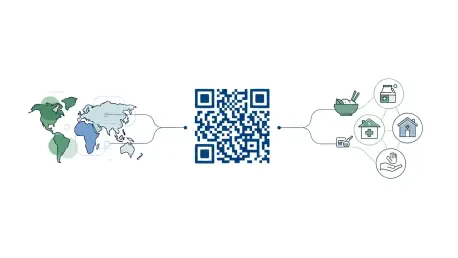

Dubai has officially embarked on a pioneering journey to reshape global philanthropy by formally integrating cryptocurrencies and virtual assets into its regulated charitable fundraising framework. This groundbreaking initiative, led by the Dubai Department of Islamic Affairs and Charitable Activities, establishes a secure and official channel for donors worldwide to contribute digital currencies such as Bitcoin and Ethereum directly to approved charitable foundations. This strategic move is not merely a technological upgrade but a core element of Dubai’s ambitious vision to position itself as a preeminent global hub for both commerce and humanitarian aid by its centenary in 2071. By leveraging its established reputation as a center for blockchain innovation, the city is creating a new paradigm for giving, one that promises to be faster, more transparent, and more accessible to a new generation of philanthropists, potentially setting a new global standard for how charitable contributions are made and managed in the digital age.
A New Blueprint for Digital Giving
The modernization of philanthropy through advanced technology offers a compelling alternative to the often cumbersome and slow traditional financial systems. One of the most significant advantages of leveraging cryptocurrencies for donations is the remarkable enhancement in transaction speed, with contributions completing in a matter of minutes rather than the days or even weeks required for international wire transfers. Furthermore, the processing fees associated with crypto transactions are substantially lower than those charged by credit card companies or banks, ensuring that a larger portion of the donation reaches the intended beneficiaries. This digital framework also dramatically expands global reach, effectively democratizing philanthropy by enabling anyone with an internet connection, regardless of their location or access to traditional banking, to support causes they care about. The initiative is also strategically designed to resonate with a younger demographic of donors, a group that predominantly holds and transacts with digital assets, thereby unlocking a new and substantial source of charitable funding.
To ensure both security and stability within this new ecosystem, the operational framework has been meticulously designed to protect all parties involved. Charities designated to receive digital donations will utilize trusted and secure digital wallets, simplifying the contribution process for donors who can send funds by either scanning a unique QR code or copying a wallet address. Recognizing the inherent price volatility of many cryptocurrencies, the department has implemented a critical mechanism to immediately convert donations into a stable currency, such as the UAE dirham. This proactive measure guarantees that the value of the aid is preserved from the moment of donation to its ultimate use, protecting charities from market fluctuations and ensuring that their operational budgets remain predictable and secure. The entire process is underpinned by a robust set of policies and regulations designed to foster trust and efficiency, making digital giving a viable and reliable option for non-profits.
Setting a Global Precedent for Trust and Transparency
A cornerstone of Dubai’s crypto charity initiative is its unwavering commitment to regulatory compliance and security, which is crucial for building long-term trust among donors. The framework mandates strict Know Your Customer (KYC) rules for all transactions, a critical measure designed to prevent money laundering and ensure the complete legitimacy of all donated funds. By integrating these established financial security protocols into the digital asset space, the initiative not only protects the beneficiaries but also provides donors with the assurance that their contributions are being handled responsibly and are not vulnerable to illicit activities. This structured and regulated environment sets a high bar for transparency and accountability, distinguishing Dubai’s model from more informal crypto donation platforms and reinforcing its position as a safe and reliable destination for international philanthropy. This focus on regulatory clarity is essential for encouraging mainstream adoption and fostering confidence in the system.
By formalizing crypto donations at a governmental level, Dubai is making a significant contribution to the rapidly advancing global movement of “crypto philanthropy.” This places the city at the forefront of innovation, alongside established private-sector platforms like The Giving Block and Binance Charity that have already demonstrated the immense potential of digital assets in the non-profit sector. With global crypto-based charitable contributions reaching an impressive $200 million in 2023 and projections indicating growth into the billions in the coming years, Dubai’s official endorsement is a powerful catalyst. This government-led adoption is expected to set a compelling precedent for other nations, particularly within the Middle East, encouraging them to explore and implement similar regulated frameworks. Dubai’s leadership in this domain is poised to accelerate the integration of blockchain technology into mainstream charitable giving, solidifying its role as a global pioneer in the future of finance and social good.
The Legacy of a Digital Philanthropic Shift
Dubai’s strategic embrace of cryptocurrency for charitable causes ultimately represented a fundamental shift in the very architecture of global philanthropy. The initiative successfully created a faster, more transparent, and universally accessible model that moved beyond the limitations of legacy financial systems. This forward-thinking policy did more than just modernize donation methods; it laid the groundwork for an expanded ecosystem of Web3 technologies in the non-profit sector. The possibilities that were unlocked included high-profile charity auctions conducted through Non-Fungible Tokens (NFTs) and project funding managed by Decentralized Autonomous Organizations (DAOs), which introduced unprecedented levels of community involvement and transparency. Furthermore, the concept of hosting large-scale fundraising galas and events entirely within the metaverse transitioned from a futuristic idea to a practical reality. This comprehensive integration of digital assets and blockchain technology established a new benchmark, shaping a future where giving was not only more efficient but also more engaging and inclusive for a global audience.