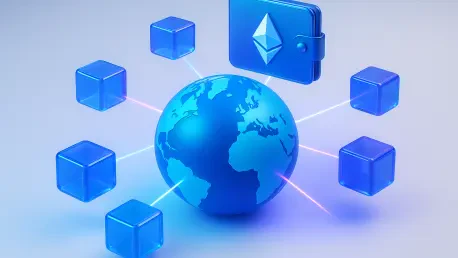

Seamless compatibility with existing self-custodial wallets like Bitget or MetaMask empowers users to manage their digital commerce activity through a single, familiar interface. The global economic landscape reached a critical juncture where the limitations of traditional banking protocols, characterized by excessive fees and protracted settlement times, no longer sufficed for a borderless workforce. Morph addressed this systemic inefficiency by launching a specialized Ethereum Layer 2 solution that prioritizes the needs of the consumer-centric economy. This initiative transformed the payment experience for freelancers and merchants alike by providing a scalable environment where transactions occurred with minimal latency. By bridging the gap between established financial norms and the transparency of blockchain technology, the platform facilitated a more inclusive environment for international trade. This development ensured that participants could access sophisticated tools previously reserved for major banking institutions.
Eliminating Intermediary Friction Through Layer 2 Technology
The move toward a decentralized payment infrastructure was driven by a growing frustration with the opaque nature of legacy financial institutions. For years, international transfers were plagued by arbitrary fund holds and a lack of transparency that hindered the growth of remote businesses. Morph Payments disrupted this cycle by implementing an Ethereum-based scaling solution that dramatically reduced the costs associated with on-chain activity. Unlike older systems that relied on centralized intermediaries to verify and clear transactions, this new framework utilized cryptographic proofs to ensure validity without sacrificing speed. This shift allowed for a more predictable financial environment where users were no longer subject to the whims of banking hours or regional holidays. Furthermore, the specialized focus on Layer 2 scaling meant that even during periods of high network congestion, the cost of doing business remained manageable for most small-scale merchants and independent contractors working globally.
A cornerstone of this technological advancement was the commitment to a strictly non-custodial framework, which fundamentally altered the risk profile for digital commerce participants. In the past, many payment processors required users to deposit funds into a centralized platform, creating a significant counterparty risk and introducing unnecessary delays during the withdrawal process. Morph eliminated this vulnerability by ensuring that the platform never assumed possession of user assets, allowing for direct, peer-to-peer transfers that settled directly into the recipient’s wallet. This architecture not only enhanced security but also streamlined the accounting process for global vendors who required immediate access to their working capital. By removing the middleman, the platform facilitated a level of financial sovereignty that was previously unattainable in a commercial context. This direct settlement model provided a more robust foundation for businesses to scale their operations internationally.
Optimizing the Digital Storefront With Professional Merchant Tools
To ensure that the benefits of blockchain technology reached a wider audience, the focus was placed on developing a user-centric suite of tools that mirrored the convenience of modern fintech applications. Managing digital finances often required a steep learning curve, but the introduction of professional invoicing and custom checkout links simplified the process for non-technical users. These features allowed vendors to generate payment requests that clients could settle through an intuitive web portal, effectively merging the familiarity of traditional e-commerce with the efficiency of decentralized networks. A centralized dashboard complemented these tools, providing real-time oversight of cash flow and transaction history. This transparency was essential for businesses that needed to track multiple revenue streams across different geographic regions simultaneously. By providing a comprehensive overview of all activity, the platform enabled merchants to make informed decisions for planning.
The reliance on stablecoins like USDC and USDT played a pivotal role in making these payments viable for everyday commerce by mitigating the volatility often associated with digital assets. By supporting instant settlements in these dollar-pegged tokens, the platform created a 24/7 payment rail that functioned independently of the traditional banking infrastructure. This ensured that a freelancer in Southeast Asia could receive payment from a client in Europe and have those funds available for use within minutes, rather than days. The efficiency of this system was further enhanced by the low gas fees characteristic of the Layer 2 network, making it economically feasible to process micro-payments that would otherwise be consumed by transaction costs. This steady flow of capital is vital for the sustainability of small businesses that operate on thin margins and require consistent cash flow to cover overhead. The integration of these assets provided a reliable and highly liquid medium of exchange.
Catalyzing Economic Inclusion in High-Growth Regions
The broader implications of this technology were most visible in high-remittance corridors where traditional banking fees traditionally eroded the earnings of local workers. In regions like the Philippines, the adoption of digital asset payments represented more than just a technological upgrade; it was a necessary shift toward financial inclusion. With global stablecoin transaction volumes reaching unprecedented levels, exceeding $10 trillion annually, the demand for accessible and low-cost payment gateways has never been higher. Morph positioned itself at the center of this movement by offering a solution that specifically addressed the pain points of the international gig economy. By reducing the reliance on predatory exchange rates and high-fee transfer services, the platform empowered individuals to retain a larger portion of their hard-earned income. This economic empowerment is a critical component of building a more equitable global marketplace where talent is rewarded based on its actual value and production.
Beyond the immediate utility of processing payments, the ecosystem served as a powerful gateway to the wider world of decentralized finance. Once funds were received in a non-custodial wallet, users gained immediate access to a variety of yield-bearing strategies and liquidity protocols without needing to off-ramp into a traditional bank. This seamless transition from commerce to finance allowed global workers to put their earnings to work, utilizing decentralized lending and trading platforms to grow their wealth over time. This long-term strategy effectively dismantled the silos that previously separated everyday transactions from sophisticated investment opportunities. By providing the tools necessary for both capital acquisition and capital growth, the network created a holistic financial environment that supported the entire lifecycle of digital wealth. This integrated approach simplified the user experience and encouraged a deeper level of engagement with the emerging decentralized economy.
Navigating the Shift Toward Decentralized Asset Management
The successful deployment of these non-custodial systems demonstrated that the future of global commerce rested on the ability to provide fast, secure, and permissionless financial rails. Organizations that prioritized the adoption of Layer 2 solutions effectively insulated themselves from the systemic risks inherent in centralized banking models. To maintain this momentum, merchants were encouraged to implement rigorous security protocols, such as the use of hardware wallets for long-term storage and the diversification of their stablecoin holdings across multiple audited protocols. These steps were essential for safeguarding digital assets in an increasingly complex on-chain environment. Furthermore, the transition toward decentralized payments required a commitment to ongoing education regarding network updates and evolving regulatory landscapes. By taking these proactive measures, participants ensured that their financial operations remained robust and adaptable for the long term.