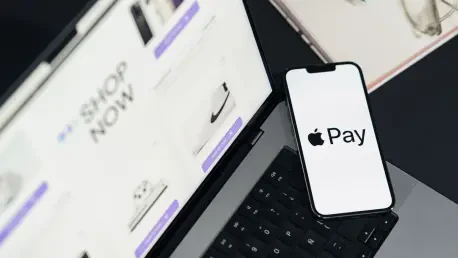

The rapid shift toward digital finance in the Philippines has reached a critical turning point as mobile-first solutions begin to redefine how millions of consumers interact with the local marketplace every day. While cash historically dominated the archipelago, the influx of international payment systems has accelerated a transformation that was once thought to be years away from realization. This movement is not merely about convenience; it represents a fundamental change in the national financial infrastructure. By bridging the gap between traditional banking and modern mobile technology, the introduction of global standards provides a more inclusive environment for both urban professionals and suburban shoppers. The entry of Apple Pay serves as a powerful catalyst in this ongoing evolution, leveraging a pre-existing ecosystem to simplify the transaction process. As users move away from physical leather wallets, the focus shifts toward integrated software that handles authentication and settlement with speed and precision.
Technology and Ecosystem Expansion
Streamlining Hardware and Software Integration
By incorporating financial services directly into the operating system, the need for cumbersome third-party applications has been significantly reduced for the average mobile user. Apple Pay functions by transforming physical credit and debit cards into virtual tokens stored securely within the Apple Wallet, creating a centralized hub for all monetary activity. This native approach eliminates the friction often associated with manual data entry or the constant refreshing of standalone banking apps that may suffer from latency issues. Because the system is deeply integrated into the hardware, the response time for a transaction is nearly instantaneous, allowing for a seamless transition from selection to purchase. This level of streamlining encourages a higher frequency of use, as consumers no longer view digital payments as a secondary or backup option. Instead, the interface becomes the primary method for managing daily expenses, effectively mirroring the intuitive nature of the device itself.
The versatility of the ecosystem is further demonstrated by its consistent performance across a wide variety of hardware, including iPhones, Apple Watches, and iPads. This cross-device compatibility ensures that a user can initiate a transaction on a laptop during an online shopping session and complete it with a simple biometric scan without needing to reach for a physical card. For those who are constantly on the move, the ability to pay using a wearable device adds a layer of convenience that traditional plastic cards simply cannot match. This synchronization between devices creates a unified user experience that reinforces brand loyalty while promoting the adoption of contactless habits in diverse environments. Whether a person is paying for a quick coffee or finalizing a large retail order, the software maintains a high level of performance and reliability. Such technological cohesion is essential for a market like the Philippines, where the appetite for efficient and innovative consumer tech continues to grow.
Building a Collaborative Financial Network
Establishing a robust financial framework required extensive cooperation between international technology providers and established local institutions to ensure widespread accessibility. Partnerships with major banks such as Metrobank, UnionBank, GoTyme, and China Bank have been instrumental in grounding these digital services within the existing Philippine economy. These alliances allow for a smooth transfer of data and funds, ensuring that existing accounts can be linked to mobile wallets with minimal administrative hurdles for the end user. By working with both traditional giants and newer digital-only banks, the service appeals to a broad demographic of account holders across the country. This collaborative model also provides a sense of security for consumers who may be hesitant to adopt new technologies without the backing of their trusted financial providers. Furthermore, the inclusion of Visa and Mastercard networks ensures that the infrastructure is compatible with global standards, making it easier for local users to conduct transactions.
Beyond the banking sector, the expansion of the digital payment landscape relies heavily on merchant acceptance and the integration of sophisticated point-of-sale systems. The involvement of Maya Business has played a crucial role in enabling thousands of retailers, from high-end boutiques to everyday dining establishments, to accept these modern payment methods. This extensive network means that the utility of a digital wallet is not confined to a few select locations but is instead a viable tool for a wide range of daily activities. As more businesses upgrade their hardware to support Near Field Communication technology, the barrier to entry for contactless payments continues to drop. This widespread availability is vital for creating a sustainable ecosystem where digital transactions become the default rather than the exception. The ripple effect of this merchant adoption encourages other service providers to innovate, leading to a more competitive market that ultimately benefits the consumer through enhanced rewards.
Safety Standards and National Impact
Securing Transactions Through Advanced Encryption
Security remains a paramount concern for consumers transitioning away from cash, and the implementation of advanced encryption standards addresses these fears directly. Unlike traditional magnetic stripe cards that transmit sensitive data in a vulnerable format, modern digital wallets utilize a process known as tokenization to protect user information. When a card is added to the system, a unique Device Account Number is assigned, encrypted, and stored in the Secure Element, a dedicated chip designed to keep data isolated from the rest of the device. This means that actual card numbers are never shared with merchants or transmitted during a transaction, significantly reducing the risk of data breaches. Even if a merchant’s database were to be compromised, the tokens stored within would be useless to unauthorized parties without the corresponding hardware-based keys. This multi-layered approach to data protection ensures that every purchase is shielded by industry-leading protocols that prioritize privacy.
Accelerating the Transition to a Digital Economy
The integration of biometric authentication such as Face ID and Touch ID successfully provided a final layer of defense that physical cards historically lacked. Every transaction required a deliberate action from the user, ensuring that lost or stolen devices could not be easily exploited by third parties. As these security measures became standard, the Philippine central bank observed a significant shift in consumer confidence regarding mobile finance. Local authorities aimed for digital transactions to account for sixty percent of total retail volume by 2028, and the arrival of global payment leaders helped bridge the gap toward this ambitious target. Financial institutions and retail partners recognized that providing a secure, frictionless experience was the most effective way to transition the nation into a cash-lite economy. By prioritizing both user privacy and operational efficiency, stakeholders established a foundation for sustainable growth that transformed the regional digital landscape and empowered millions of citizens.