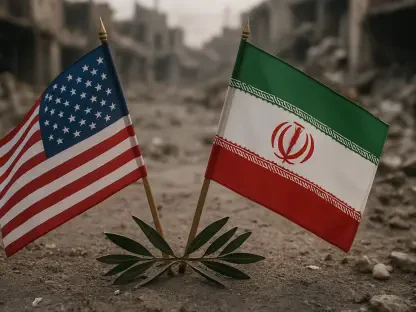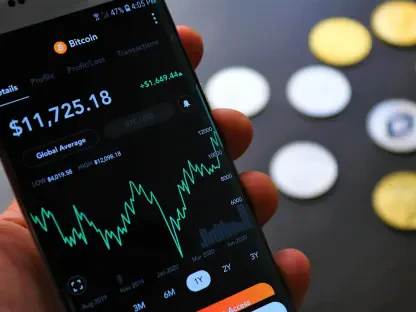

The sudden announcement of a conditional two-week ceasefire between the United States and Iran has sent shockwaves through global financial markets, fundamentally altering the immediate trajectory of the cryptocurrency sector. This diplomatic breakthrough, brokered by Pakistan’s Prime Minister Shehbaz Sharif, triggered an aggressive short squeeze that liquidated approximately four hundred and seventy million dollars in bearish positions. Consequently, Bitcoin surged to a three-week high, exceeding the seventy-two thousand seven hundred dollar threshold within a remarkably short timeframe. Despite this rapid appreciation, the underlying psychological state of the market remained surprisingly subdued, with the Crypto Fear and Greed Index continuing to report levels of extreme fear. This divergence between price action and sentiment suggested that many retail participants were still bracing for further volatility, even as institutional entities seized the opportunity to reposition themselves within this newly stabilized environment.
Institutional Integration and Evolving Market Dynamics
A pivotal moment in this recovery was the debut of Morgan Stanley’s spot Bitcoin ETF, known as MSBT, on the NYSE Arca exchange during this period of heightened geopolitical optimism. By setting an annual management fee at a highly competitive fourteen basis points, the financial giant effectively undercut established market leaders such as BlackRock’s IBIT, signaling a new phase of fee wars within the institutional space. This strategic pricing move facilitated a significant influx of capital from traditional wealth management channels that had previously remained on the sidelines due to higher entry costs. The launch represented more than just a new product; it served as a validation of the asset class during a time of international uncertainty. As large-scale investors shifted their portfolios, the demand for regulated exposure intensified, providing a floor for Bitcoin prices that helped sustain the rally through the mid-week sessions.
Building on this institutional momentum, U.S. spot Bitcoin ETFs recorded four hundred and seventy-one million dollars in net daily intake, marking the highest volume of inflows observed since the late February period. This surge in liquidity was not restricted to Bitcoin alone, as Ethereum ETFs also experienced a notable reversal, transitioning from previous outflows toward positive net flows as risk appetite returned. The synchronized recovery across multiple digital asset classes indicated that the broader investment community viewed the ceasefire as a window for re-entering risk-on positions. This influx provided the necessary depth to absorb sell-side pressure that had accumulated during the previous months of range-bound trading. Moreover, the increased participation of major banking institutions suggested that digital assets were being increasingly viewed as a viable alternative during periods of currency fluctuation and shifting international relations.
While the primary assets led the charge, the broader market shifted its focus toward the altcoin sector, where projects like Zcash and AI-driven platforms such as Render and Bittensor posted substantial gains. This rotation reflected a growing confidence that the temporary cessation of hostilities would provide enough stability for high-growth, experimental technologies to flourish once again. In contrast, the traditional energy sector saw West Texas Intermediate crude prices plummet from one hundred and twelve dollars to ninety-four dollars per barrel as traders anticipated the reopening of the Strait of Hormuz. This shift in the macro landscape directly influenced the crypto markets by easing inflationary concerns and providing a more favorable backdrop for risk assets to appreciate. However, analysts remained vigilant as the sustainability of this peace remained contingent on upcoming high-level discussions, noting that the broader geopolitical conflict had not yet reached a definitive conclusion.
The market’s reaction to the temporary ceasefire offered a clear blueprint for how digital assets responded to a reduction in systemic global risk. Investors who monitored the technical military coordination of shipping lanes gained a significant advantage over those who focused solely on price charts. It became evident that maintaining a diversified portfolio, including both large-cap leaders and specialized sectors like AI tokens, provided the best hedge against lingering uncertainty. Strategic participants adjusted their risk parameters to account for the persistent multi-month trading range between sixty-two thousand and seventy-five thousand dollars. They prioritized low-cost institutional vehicles to maximize long-term returns while remaining ready to pivot should diplomatic efforts falter. These developments proved that adaptability was the most valuable asset for navigating the intersection of finance and global politics.