
A Shifting Landscape for Modern Credit
The Buy Now, Pay Later (BNPL) industry, a dominant force in modern e-commerce, is showing clear signs of maturation. A recent landmark study by the Consumer Financial Protection Bureau (CFPB) reveals a fascinating and complex new chapter: while the sector’s explosive growth is tempering, the average loan size is climbing significantly. Simultaneously, metrics often associated with consumer distress, such as late fees and loan charge-offs, are on the decline. This article explores these divergent trends, delving into the raw data, the starkly contrasting interpretations from industry advocates and consumer watchdogs, and the implications for the future of this influential payment method. It aims to provide a comprehensive analysis of a market at a pivotal crossroads, where positive performance indicators may mask deeper financial complexities for users.
From Disruptive Upstart to Mainstream Staple
Buy Now, Pay Later services emerged as a powerful alternative to traditional credit, offering consumers a simple, often interest-free way to split purchases into manageable installments. This model fueled a period of meteoric growth, as providers like Klarna, Afterpay, and Affirm became integrated into countless online checkouts. This rapid expansion, however, also attracted significant regulatory attention, with the Biden administration signaling a push for greater oversight to protect consumers. The current landscape is more ambiguous; while the Trump administration has indicated a desire to scale back federal enforcement and even close the CFPB, scrutiny from state attorneys general and U.S. senators continues. This evolving regulatory backdrop makes the CFPB’s latest data points not just an economic snapshot but a critical piece of evidence in an ongoing debate about the industry’s impact and future.
Analyzing the Shifting Dynamics of BNPL Usage
Bigger Carts, Better Repayments: A Surprising Trend
The core findings from the CFPB report, which analyzed data from six leading BNPL providers, paint a picture of a changing user base. The most striking statistic is the 14% jump in the average loan value, which rose from $745 in 2022 to $848 in 2023. While the total dollar value of loan originations continued to grow by 23%, this represents a slower pace of expansion than in previous years. More surprisingly, this move toward larger purchases has been accompanied by improved repayment behavior. The percentage of loans incurring a late fee dropped from 5.2% to 4.1% over the same period. Furthermore, the rate of loans charged off as uncollectible—a key indicator of default—also saw a notable decrease, falling from 2.63% to just 1.83%. These figures suggest that as consumers become more accustomed to using BNPL for higher-value items, they are also becoming more diligent in managing their payments.
The Industry Perspective: A Vindication of the Model
For industry proponents, the CFPB’s findings are a clear validation of the BNPL model. The Financial Technology Association (FTA), a prominent industry group, seized on the report as definitive proof that consumers use these products responsibly and successfully. The FTA emphasized that the declining rates of late fees and charge-offs demonstrate the affordability and consumer-friendliness of BNPL compared to high-interest credit cards. The group also stressed the reliability of the report’s conclusions, noting that they are based on actual transaction data from the industry’s largest players, not on consumer surveys which can be prone to recall bias. From this perspective, the data shows a healthy, functioning market where consumers are empowered to make larger purchases without falling into unmanageable debt.
A Consumer Advocate Counterpoint: The Hidden Financial Strain
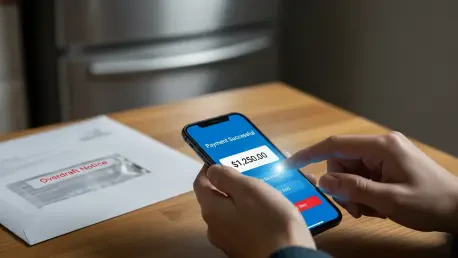
Consumer advocates, however, offer a starkly different interpretation, arguing the CFPB report provides an incomplete and potentially misleading picture of consumer health. The National Consumer Law Center (NCLC) contends that metrics like late fees and charge-offs fail to capture the full scope of financial distress. They point out that BNPL lenders often require automatic payments, which can be successfully processed but may inadvertently trigger a cascade of other problems. For example, a successful payment could cause a consumer’s bank account to overdraft, leading to hefty fees from their financial institution, or leave them without sufficient funds for essential expenses like rent or groceries. To bolster their case, the NCLC highlighted a more recent Lending Tree survey, which found that 41% of BNPL users had made a late payment in the past year—a figure that dramatically contrasts with the CFPB’s data and suggests a broader struggle with repayment than the official numbers show.
The Future of BNPL: Navigating Regulatory Winds and Evolving Habits
The trends identified in the CFPB report are unfolding within a fluid regulatory environment. A potential rollback of federal enforcement could embolden BNPL providers to expand their product offerings and underwriting criteria further. However, persistent scrutiny at the state level means that the industry is not free from oversight. This dual pressure will likely shape the industry’s next phase. We may see providers leverage the positive repayment data to partner with merchants on even larger-ticket items, from home furnishings to electronics. Technologically, firms will continue to refine their approval algorithms to balance growth with risk, perhaps incorporating new data sources to better assess a consumer’s ability to repay without causing downstream financial harm like overdrafts. The central challenge for the industry will be to sustain growth and profitability while navigating a patchwork of regulations and addressing the valid concerns raised by consumer advocates.
Key Takeaways and Strategic Recommendations
The primary takeaway from this analysis is that the BNPL market is no longer in its infancy. The data reveals a shift toward larger, more considered purchases and improved, albeit debated, repayment performance. For consumers, the message is one of caution: while BNPL can be a valuable tool, it is crucial to look beyond the absence of late fees and consider the impact of automatic payments on your overall cash flow and bank balance. For BNPL providers, the report offers an opportunity to showcase a record of responsible lending but should also serve as a warning that surface-level metrics are insufficient to silence critics. Proactively developing features that promote financial wellness, such as flexible payment scheduling, could be a key differentiator. Finally, regulators should be encouraged to develop a more holistic framework for evaluation that accounts for hidden costs like overdraft fees and the potential for debt accumulation across multiple platforms.
Concluding Thoughts on a Maturing Market
The BNPL industry reached a significant inflection point, transitioning from a high-growth disruptor to a mature component of the financial ecosystem. The recent CFPB data highlighted this evolution, showing that consumers entrusted larger purchases to these platforms while, by some measures, managing their obligations more effectively. However, the deep divide in how this data was interpreted underscored a fundamental tension: the convenience and accessibility celebrated by the industry could still mask underlying financial fragility for some users. As the market continued to evolve, its long-term health and social utility depended on the ability of providers, regulators, and consumers to look beyond simple transaction data and foster a system that supported, rather than strained, the financial well-being of its users.