
Banking institutions are increasingly moving toward becoming the invisible plumbing that powers sophisticated digital wallets rather than being the primary consumer brand. This transition marks the erosion of the legacy account-based architecture that defined global commerce for centuries. For a new generation of users, the traditional ritual of entering a physical bank to manage wealth is seen as a relic of a primitive era. These digitally native individuals demand that financial services mirror the fluidity of their digital lives, moving beyond the static boundaries of checking and savings accounts. As of early 2026, neobank registrations reached a historic high, representing 40% of all new account openings globally. This surge is not merely a trend but a structural realignment of the financial ecosystem. The friction inherent in old-school banking—days-long settlement times and fragmented interfaces—has become intolerable for those who have grown up with instant connectivity and global transparency.
The Evolution of the Financial Super-App
Consolidated Wealth: The Rise of Unified Digital Interfaces
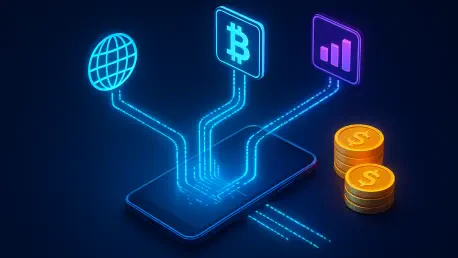
The current shift toward a wallet-centric model revolves around the consolidation of various asset classes into a single, unified digital interface. Rather than maintaining separate relationships with a retail bank, a brokerage firm, and a crypto exchange, users are adopting “super-apps” that serve as a comprehensive container for their entire economic identity. This identity-linked wallet allows for the seamless coexistence of tokenized bank deposits, stablecoins for daily liquidity, and even yield-bearing money market funds within one view. This integration removes the cognitive load of managing multiple logins and disparate balance sheets, allowing individuals to treat their wealth as a singular, fluid pool of value. By merging these different financial instruments, the digital wallet provides a holistic overview of purchasing power that traditional banking structures simply cannot match. This model effectively bypasses the front-end user experience of legacy institutions, relegating them to the background roles of custody and compliance.
Asset Tokenization: Transforming Investment into Liquidity
Furthermore, the move toward unified interfaces is fundamentally driven by the tokenization of assets which allows for granular control over personal wealth. As blockchain technology became the standard for asset representation from 2026 to 2028, the distinction between cash and investment began to blur. A user can now hold high-yield treasury tokens and instantly use a fraction of them to pay for a cup of coffee, with the conversion happening automatically in the background. This level of utility transforms the digital wallet from a storage device into an active financial engine. It also democratizes access to sophisticated financial products that were previously reserved for institutional investors or high-net-worth individuals. The wallet interface abstracts the underlying complexity of smart contracts and decentralized protocols, presenting the user with a clean and intuitive dashboard. This technological evolution ensures that the primary point of contact for the consumer is the wallet provider, further distancing the public from traditional banking brands.
Borderless Exchange: The Growth of Global Spending Tools
Global interoperability is another cornerstone of this new financial standard, where the concept of a domestic bank account is becoming obsolete. Leading fintech firms and digital exchanges are now providing payment services that operate across borders without the exorbitant fees or delays associated with the SWIFT network. By utilizing debit cards and mobile payment systems linked directly to digital wallets, consumers can spend their assets anywhere in the world at the point of sale. The conversion of a stablecoin or a tokenized deposit into local fiat currency occurs in milliseconds, providing a level of convenience that was previously impossible. This capability is particularly vital for the growing population of digital nomads and remote workers who operate in a global labor market but live in local economies. They require a financial tool that is as mobile as they are, one that does not require them to open a new bank account every time they cross a border or change their residency status.
Merchant Integration: The Efficiency of Programmable Money
This frictionless spending environment is also reshaping how merchants and consumers interact on a daily basis. As the infrastructure for digital asset conversion becomes more robust, merchants are increasingly accepting direct wallet transfers, bypassing the traditional credit card networks entirely. This shift reduces transaction costs for the seller and often results in rewards or discounts for the buyer, creating a powerful incentive to abandon legacy payment methods. Moreover, the integration of programmable money allows for automated budgeting and real-time tax withholding, features that traditional banks have struggled to implement effectively. The result is a more efficient economic cycle where value moves with the same speed and ease as information. For the younger generations, this is not just an improvement on existing services but a total replacement of the banking status quo. They are choosing platforms that offer the most versatility and the least resistance, leaving traditional institutions to fight for a shrinking piece of the retail pie.
Infrastructure and the Role of Modern Regulation
Technical Foundations: Distinguishing Stablecoins and Tokenized Deposits
The underlying architecture supporting this revolution is increasingly split between stablecoins for retail use and tokenized deposits for institutional operations. Stablecoins have emerged as the preferred rail for daily transactions and cross-border remittances because they offer 24/7 availability and near-instant settlement. These digital assets provide the speed and flexibility that modern commerce demands, particularly in high-growth markets where traditional banking infrastructure is underdeveloped or inefficient. However, the rise of stablecoins has also necessitated a robust regulatory response to ensure consumer protection and systemic stability. Meanwhile, traditional banks have responded by creating tokenized deposits—regulated, digital versions of their own liabilities—that maintain the legal and insurance protections of the legacy system. This dual-pathway approach allows the financial system to enjoy the benefits of decentralized technology while retaining the security and oversight provided by established institutional frameworks.
Institutional Security: The Bank as Invisible Infrastructure
Despite the rapid displacement of the retail bank brand, the necessity for a regulated, secure place to store value remains more critical than ever. The invisible plumbing model ensures that while users interact with sleek wallet interfaces, the actual assets are often held within highly regulated environments that offer insurance and advanced fraud protection. This hybrid model addresses the significant risks associated with pure self-custody, where a lost private key can lead to the permanent loss of funds. By integrating with the digital wallet ecosystem, traditional banks provide a safety net that encourages mass adoption among those who might otherwise be wary of the volatility and security gaps in the crypto space. The banks that succeed in this new era are those that have embraced their role as infrastructure providers, offering API-based services that allow wallets to tap into existing regulatory and settlement networks. This symbiotic relationship ensures that the speed of innovation does not come at the cost of security for the public.
Instant Finality: The New Global Standard for Settlement
The defining characteristic of this era is the expectation of instant settlement as a universal global standard. For a generation accustomed to instant messaging and real-time data, the idea of waiting multiple business days for a bank transfer to clear is entirely unacceptable. This demand for speed has pushed the industry toward the adoption of real-time gross settlement systems and blockchain-based rails that operate without the limitations of traditional banking hours. Whether it is a local payment or a cross-border transfer, the goal is for the transaction to be finalized the moment the user clicks send. This shift to instantaneity has profound implications for liquidity management and corporate finance, as businesses can now access their funds immediately rather than waiting for outdated clearing cycles. The transition to stablecoins and tokenized assets has essentially turned value into data, allowing it to move across the globe with minimal friction and maximum transparency, making the traditional account a historical curiosity.
Future Perspectives: The Convergence of Identity and Value
To remain relevant in this evolving landscape, financial leaders prioritized the development of integrated identity solutions and cross-platform compatibility. The industry moved toward a future where the distinction between a cryptocurrency exchange and a traditional bank became indistinguishable to the end-user. Organizations that flourished were those that recognized the importance of the digital wallet as the central hub of personal finance and invested in the security protocols required to protect these digital assets. The focus of innovation then shifted toward the integration of artificial intelligence to provide personalized financial advice and automated asset management within the wallet interface. By establishing these proactive solutions, providers ensured that the transition to a wallet-centric world remained safe and beneficial for all participants. The era of the bank account ended not with a collapse, but with a transformation into a more fluid system of exchange. This shift established a new foundation for global economic participation that valued access above traditional institutional loyalty.