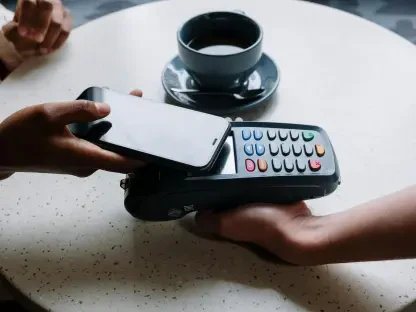

In the fast-paced world of digital transactions, the few seconds spent scrolling through a cluttered list of passes at a payment terminal or transit gate can feel like an eternity, creating a significant point of friction for users. Google is directly addressing this common frustration by testing a substantial redesign of its Wallet application, fundamentally shifting the user experience from a comprehensive, but often cumbersome, list to a highly curated and visually intuitive home screen centered on a user’s most essential items. This strategic pivot aims to transform the app from a simple digital repository into a hyper-efficient tool that anticipates user needs, placing frequently used transit cards, loyalty programs, and event tickets front and center for immediate access. The new “favorite passes” system is poised to streamline daily interactions by dramatically reducing the time and effort required to locate and present the correct pass, enhancing both convenience and usability in critical, time-sensitive moments. This update represents a thoughtful evolution of the digital wallet, prioritizing speed and personalization to meet the demands of an increasingly mobile-first user base that expects seamless and instantaneous service.
A Shift Toward Curated Convenience
The core of the redesign lies in a new “favorite passes” system, a mechanism designed to empower users with quick and effortless access to their most-used items. Central to this feature is the ability to “star” specific passes, effectively promoting them to the main home screen. To ease the transition, Google Wallet will automatically favorite the first four passes it detects for a new or existing user, providing an initial curated view without requiring immediate user action. However, this selection is not fixed; users retain complete control to un-star these suggestions and manually select their own preferred items. This allows for a deeply personalized experience where a daily commuter could prioritize their transit card, a frequent flyer their airline loyalty card, and a student their campus ID. The goal of this lightweight curation is to significantly reduce the number of taps and swipes needed to present a scannable pass, streamlining the entire process at checkout counters, event venues, and transportation hubs where speed is paramount. This user-centric approach ensures that the most relevant passes are always just a single tap away.
Complementing the functional overhaul is a significant visual and user interface transformation that replaces the traditional vertical list with a more dynamic and engaging grid-based layout. This new design features large, colorful tiles for each favorited pass, making the interface not only more aesthetically pleasing but also easier to scan at a glance. The increased size of these tiles serves a practical purpose, offering larger tap targets that help minimize fumbling and incorrect selections, a common issue when users are in a hurry. The interface also introduces a cleverly designed split-style floating action button. This button cleanly separates two primary functions: one side allows a user to quickly add a new pass to their wallet, while the other side, labeled “View more,” acts as an efficient gateway to their complete library of non-favorited items. This ensures that while the home screen remains uncluttered and focused on essentials, the full collection of passes remains easily accessible. The grid itself is designed to be flexible, capable of expanding to accommodate users who choose to star more than the initial four passes, maintaining a clean and organized look.
The Strategy Behind a Streamlined Interface
The rationale behind this favorites-first approach is deeply rooted in enhancing the speed and efficiency of the digital wallet experience, directly addressing a growing pain point for users. As individuals accumulate an ever-expanding collection of digital items—from payment cards and loyalty programs to boarding passes and vaccination records—the task of finding the right one can become increasingly cumbersome and time-consuming. By prioritizing a small, user-defined set of the most-used items, Google tackles this issue of information overload head-on. This redesign improves the overall user experience by making routine interactions faster and more fluid. Furthermore, this design philosophy carries a significant business advantage. Industry research indicates that easier and more prominent access to loyalty programs and digital coupons can lead to a notable increase in their redemption rates. This creates a symbiotic relationship where customers benefit from enhanced convenience and savings, while brands see greater engagement from their loyalty initiatives in a global digital wallet market projected to surpass five billion users.
Currently, the favorite passes feature remains in a developmental testing phase and has not yet been rolled out to the general public. Its eventual release is expected to be a staged, server-side update, meaning it will become available to users gradually rather than through a single, mandatory app store update for everyone at once. As testing progresses, key signals to watch for will include deeper integrations that could further reduce friction in daily use. Potential enhancements may involve more sophisticated lock screen widgets that display favorited passes or enhanced functionality for Wear OS, allowing for even quicker access from a user’s wrist without needing to reach for their phone. Ultimately, this redesign represents a strategic evolution for Google Wallet, repositioning it as a more personalized and efficient daily companion. The shift from a passive, scroll-based library to an active, curated dashboard prioritizes quick retrieval and ease of use, solidifying the app’s role as an indispensable tool for modern life.
A Look at the Redesign’s Impact
The introduction of a favorites-centric home screen represented a pivotal moment in the evolution of Google Wallet. This strategic update moved beyond simple digital storage and acknowledged the practical, real-world need for speed and personalization in user interactions. By enabling users to curate their most essential passes, the application effectively eliminated the primary friction point of searching through an extensive list during time-sensitive situations. This change was not merely a cosmetic update but a fundamental rethinking of the app’s core purpose, transforming it into a more intelligent and responsive tool. The visual overhaul to a tile-based grid, coupled with refined navigation elements, further supported this goal by making the interface more intuitive and accessible. The successful implementation of this design demonstrated a clear understanding of user behavior and set a new standard for what a digital wallet could and should be: a seamless extension of a user’s daily life, not a barrier to it.