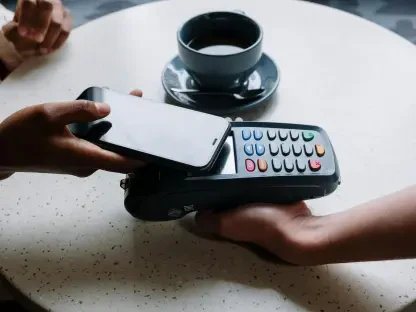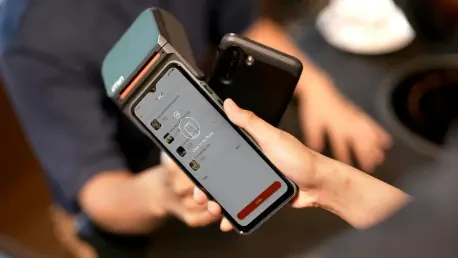

The regional transit infrastructure across Seattle and its surrounding counties has officially entered a new era of accessibility with the long-awaited launch of contactless payment options for commuters. This technological leap forward enables passengers to utilize standard physical credit or debit cards, alongside popular mobile wallets like Apple Pay and Google Pay, to navigate the complex web of buses and light rail lines. By eliminating the mandatory requirement for a dedicated ORCA card, the system aims to lower the barrier to entry for occasional riders and the millions of international visitors expected to descend upon the Emerald City for the upcoming FIFA Men’s World Cup. This shift represents a broader trend in urban mobility where friction is reduced through the synchronization of financial technology and public infrastructure. While the traditional ORCA ecosystem remains a fixture for long-term residents, the introduction of “Tap to Pay” provides a seamless alternative that mirrors the conveniences found in other global metropolises.
Expanding Accessibility: Integrated Networks and Fare Structures
The scope of this modernization effort is remarkably broad, encompassing a consortium of major regional agencies including Sound Transit, King County Metro, and Community Transit, alongside smaller providers like Everett Transit, Kitsap Transit, and Pierce Transit. Under the newly standardized structure, adult riders are charged a flat fare of $3 per trip, which simplifies the previous complex zoning calculations for many short-distance travelers. A critical component of this rollout is the preservation of the two-hour transfer window, ensuring that those who tap with a mobile device or a contactless Visa or Mastercard can switch between different agency vehicles without incurring additional costs. This interoperability is essential for maintaining a cohesive transit network that functions as a single entity despite being managed by separate organizations. However, the system is strictly calibrated for individual use, meaning a single card or digital wallet cannot be tapped multiple times to pay for a group.
Despite the widespread adoption of this digital-first approach, certain specialized transit modes have been excluded from the initial phase of the contactless rollout to maintain operational stability. Specifically, travelers using the Washington State Ferries, the Seattle Monorail, and localized on-demand services like Metro Flex or the Zip Shuttle will still need to rely on traditional ORCA cards or separate ticketing methods. This distinction is important for commuters who rely on multi-modal journeys that include a cross-sound ferry crossing or a quick trip on the historic monorail. The integration of digital ORCA cards for Android users paved the way for broader acceptance, though the delay in full Apple wallet synchronization remained a focal point for future system updates. Stakeholders recognized that total network efficiency required addressing the remaining hardware silos in ferry and shuttle operations to ensure a truly frictionless user experience while providing data to optimize route frequencies based on real-time patterns.