
A New Frontier in Global Remittances
The global flow of money that connects families and fuels economies has long been constricted by the high costs and slow speeds of traditional remittance channels, creating significant burdens for those who rely on these financial lifelines. iFAST Global Bank has now officially entered this competitive cross-border payments arena with a transformative new service, enabling its UK-based customers to send money directly to over 60 digital wallets worldwide without any transfer fees. This strategic launch marks a significant step toward bridging the gap between traditional banking and the burgeoning digital finance ecosystems of emerging economies. By leveraging its mobile app and Multi-Currency Current Account, iFAST is targeting a core market of expatriates and migrant workers who depend on reliable and affordable remittance services. This article will explore the mechanics behind this innovative offering, analyze its competitive positioning within the FinTech landscape, and examine the broader implications for the future of international money transfers.
The Enduring Challenges of Cross-Border Payments
For decades, the global remittance industry has been plagued by significant friction points. Traditional methods, such as bank wire transfers and established money transfer operators, have long been criticized for their high fees, unfavorable exchange rates, and slow processing times. These challenges are often magnified for recipients in developing nations, where a lack of access to conventional banking infrastructure creates a “last-mile” problem, making it difficult to receive funds quickly and securely. This environment created a vacuum that nimble FinTech companies eagerly filled, offering faster, cheaper, and more user-friendly digital alternatives. The persistent inefficiencies of the old guard and the rise of mobile-first solutions have set the stage for established financial institutions like iFAST Bank to innovate or risk becoming obsolete.
Dissecting the iFAST Digital Wallet Strategy
Bridging Traditional Banking with Modern FinTech Ecosystems
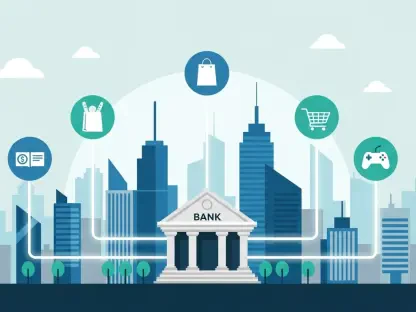
At the heart of the iFAST offering is a seamless integration between its regulated banking platform and the local payment networks that people use every day. The service allows a customer to initiate a transfer from their iFAST Global Bank account in the UK directly to a recipient’s digital wallet in another country. This model effectively bypasses the need for the recipient to have a traditional bank account, a critical advantage in markets where mobile money is more prevalent than banking. By connecting to major platforms like GCash in the Philippines, Touch ’n Go in Malaysia, and mobile money services from giants like Airtel and MTN across Africa, iFAST is tapping into existing, trusted infrastructure. This hybrid approach leverages the security of a licensed bank while offering the convenience and accessibility of a modern FinTech solution.
The Zero-Fee Proposition as a Potent Competitive Edge
The most compelling feature of iFAST’s new service is its zero-fee structure for cross-currency international payments. In an industry where costs can significantly erode the value of a transfer, this proposition is a powerful tool for attracting cost-sensitive users, particularly migrant workers sending regular support to their families. By eliminating transfer fees, iFAST directly addresses one of the biggest pain points for consumers. This move, combined with the promise that most transfers are completed within the same day, positions the bank as a highly competitive alternative to both legacy providers and many digital-only startups. This strategy demonstrates a clear understanding that in the modern remittance market, value is defined not just by technology, but by transparency and affordability.
A Strategic Focus on High-Growth Remittance Corridors
iFAST’s expansion is not a blanket approach but a calculated move targeting key remittance corridors connecting the UK to Southeast Asia, South Asia, and Africa. The selection of supported wallets—including DANA and GoPay in Indonesia, JazzCash and easypaisa in Pakistan, and services in Rwanda, Uganda, and Madagascar—reflects a deep understanding of global migration and financial patterns. These regions represent massive, high-volume markets where digital wallet adoption has surged. By focusing on these specific corridors, iFAST ensures its service meets a genuine, existing demand. This targeted strategy allows the bank to build a strong foothold in lucrative markets and tailor its offerings to the unique financial behaviors of its intended customer base, solidifying its commitment to building what its CEO calls a “truly global bank.”
The Future of Remittances: A Convergence of Banking and FinTech
The launch of iFAST’s EzWallet service is a clear indicator of a broader industry trend: the blurring of lines between traditional banking and financial technology. To remain relevant, established banks can no longer operate in isolation. They must embrace collaboration and integration with the digital ecosystems that their customers inhabit. This move signals a shift away from building proprietary, closed-loop systems and toward leveraging open APIs and partnerships to create more comprehensive and user-centric financial services. We can expect to see more established institutions follow this model, forming strategic alliances with local digital wallet providers to enhance their cross-border payment capabilities. The future of global finance will likely be defined by this hybrid approach, where the trust and regulatory standing of banks are combined with the agility and accessibility of FinTechs.
Navigating the Evolving Payments Landscape
The analysis of iFAST Bank’s new service offers several key takeaways for different stakeholders. For consumers, particularly those sending money abroad, the primary lesson is that the market is offering more affordable and convenient options than ever before; it is crucial to compare providers on fees, speed, and recipient accessibility. For traditional financial institutions, the message is one of urgent adaptation. The success of this hybrid model underscores the need to integrate with existing digital payment infrastructures to meet modern customer expectations. Finally, for FinTech companies, this development validates the digital wallet as a cornerstone of modern financial inclusion and opens the door for further collaboration with established banks seeking to modernize their services.
A Strategic Leap in Financial Inclusion
In conclusion, iFAST Global Bank’s launch of fee-free wallet transfers was more than just a new product feature; it represented a strategic and forward-thinking response to the fundamental shifts in global finance. By directly tackling the core issues of cost, speed, and accessibility, the bank not only positioned itself as a competitive player in the remittance market but also contributed to greater financial inclusion. This initiative powerfully demonstrated that the future of international payments lies in the intelligent convergence of banking and technology. As this model gained traction, it promised to create a more equitable and efficient financial world for millions of people who rely on cross-border transfers to support their families and improve their lives.