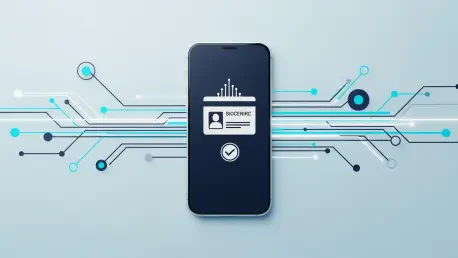

The transition from a traditional leather wallet to a streamlined digital interface has become a defining characteristic of modern personal management in the current technological landscape. Oklahoma stands at a pivotal juncture as the state legislature navigates House Bill 3015, a significant measure designed to authorize the storage of digital driver’s licenses and state identification cards on mobile devices. This legislative effort, spearheaded by Representative Dell Kerbs, aims to move beyond simple convenience by establishing a rigorous legal framework for Service Oklahoma to collaborate with global tech giants like Apple and Google. By integrating these credentials into native smartphone wallets, the state intends to modernize its identification infrastructure while strictly adhering to federal Real ID standards. This shift is not merely about digitizing a plastic card but about redefining how citizens interact with government services and private entities in a secure, digital-first environment that prioritizes user accessibility.
Structural Framework and Consumer Protections
A critical component of the proposed legislation is the classification of the digital credential as a voluntary companion to the traditional physical license rather than a total replacement. Residents who choose to adopt the mobile version must still maintain and carry their physical identification cards to ensure compliance across all jurisdictions and various scenarios. This dual-track approach provides a safety net for situations where mobile devices might fail due to battery depletion, hardware damage, or a lack of cellular connectivity in rural areas. By maintaining the physical requirement, Oklahoma ensures that the transition to digital does not leave vulnerable populations behind or create legal ambiguities during traffic stops or age-verification processes. Furthermore, the bill outlines specific operational protocols for Service Oklahoma, ensuring that the agency has the statutory authority to manage these digital assets through secure, encrypted channels that meet modern cybersecurity benchmarks.
Privacy remains a paramount concern for both lawmakers and the public as personal data moves from state-controlled databases into the ecosystems of large private technology corporations. House Bill 3015 addresses these anxieties by imposing strict limitations on how third-party technology partners can access or utilize the personal information of Oklahomans. The legislation mandates that personal data must be used strictly for the purpose of identification and cannot be harvested for advertising or secondary data-mining activities. This proactive stance on data sovereignty is essential for building public trust in an era where digital footprints are under constant scrutiny. Additionally, the digital licenses are designed to be Real ID-compliant, which ensures they are recognized by the Transportation Security Administration for domestic air travel. This alignment with federal mandates ensures that Oklahoma’s digital credentials offer the same utility as their physical counterparts while providing superior encryption.
Lessons From Previous Technological Implementation
Oklahoma’s current trajectory is heavily informed by the lessons learned from the earlier OK Mobile ID application, which was officially discontinued in 2024. That initial attempt faced significant hurdles, including low user adoption and a critical finding by the Department of Justice regarding violations of the Americans with Disabilities Act. The previous interface required specific head movements and complex camera interactions that proved inaccessible to individuals with vision or motor impairments, highlighting the need for more inclusive design principles. By moving away from a proprietary state-built application and toward the standardized digital wallets provided by established tech platforms, the state is prioritizing accessibility and ease of use. This strategic pivot ensures that the new digital identification system is built on a foundation of universal design, making the technology available to all residents regardless of their physical abilities or technological proficiency levels.
The success of a mobile driver’s license system depends heavily on the willingness of third parties, such as law enforcement agencies and local businesses, to adopt the necessary hardware. House Bill 3015 maintains a flexible approach by allowing these entities to decide whether they will invest in the digital readers required to verify mobile credentials. While the bill grants legal validity to digital IDs in all settings where physical licenses are accepted, it does not mandate that a small business owner or a local police department immediately overhaul their current verification systems. This autonomy allows for a staggered, organic adoption process where the market and public demand drive the integration of scanning technology. Over time, as more merchants and agencies see the benefits of rapid, contact-free verification, the ecosystem is expected to expand, ultimately leading to a more efficient and secure method for confirming identities across the entire state.
Future Considerations and Actionable Strategies
The passage of House Bill 3015 by the House of Representatives represented a calculated step toward a more integrated digital future for the state’s residents. Lawmakers successfully identified the necessity of a robust statutory framework that balanced technological innovation with the protection of individual civil liberties and privacy rights. Moving forward, the focus shifted toward ensuring that the state’s technical infrastructure remained resilient against evolving cyber threats while maintaining the inclusive standards mandated by federal oversight. Stakeholders emphasized the importance of public education campaigns to inform citizens about the voluntary nature of the program and the continued necessity of the physical card. By establishing these clear parameters early in the process, the state provided a blueprint for how government agencies could effectively partner with private industry without compromising public trust. This foundational work ensured that the eventual rollout of digital credentials was both legally sound and viable.