
A groundbreaking strategic partnership between global technology manufacturer Xiaomi and Sei Labs, the development team behind the high-performance Sei blockchain, is poised to fundamentally redefine how hundreds of millions of people interact with cryptocurrency and Web3 technologies. This ambitious collaboration aims to catalyze mainstream adoption by embedding digital asset management directly into the hardware of new smartphones, transforming a once-niche and complex process into a seamless, native user experience. The initiative strategically dismantles the most significant barriers to entry for the average consumer—technical complexity, pervasive security concerns, and general inaccessibility—by making crypto as intuitive to use as any standard mobile banking application, potentially heralding a new era for the digital economy.
Redefining the User Experience
Seamless Onboarding Crypto as a Native Feature
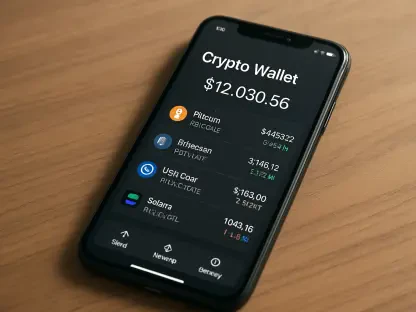
The core innovation of this partnership lies in a Sei-powered crypto wallet and Web3 discovery application that will be pre-installed on new Xiaomi smartphones, completely upending the traditional user acquisition model for blockchain technology. For years, the journey into crypto required proactive effort: a user had to research, select, download, and configure a third-party wallet, a multi-step process fraught with potential confusion and security risks. This collaboration replaces that cumbersome “pull” dynamic with an effortless “push” model. The functionality becomes an intrinsic part of the device’s ecosystem from the moment of activation. Furthermore, the sign-up process has been meticulously streamlined to appeal to a global, mass-market audience largely unfamiliar with cryptographic protocols. Users can create and access their wallets using trusted and familiar authentication methods, such as their existing Google or Xiaomi accounts, creating an onboarding experience that feels both secure and instantly recognizable to anyone who has ever set up a new phone.
This deliberate design choice strategically circumvents one of the most significant historical deterrents for new crypto users: the management of complex and intimidating cryptographic elements like seed phrases. The conventional wisdom of “not your keys, not your coins” placed an immense burden of responsibility on individuals, with the loss of a 12 or 24-word phrase often resulting in the irreversible loss of all assets. By abstracting this complexity away from the end-user, the Xiaomi-Sei initiative removes a major source of user error and anxiety. The experience is engineered to feel native and integrated, transforming the mobile device into a direct and accessible gateway for exploring a variety of Web3 experiences. This includes applications in decentralized finance (DeFi), gaming, digital commerce, and the ownership of digital assets, all of which can now be accessed with the speed, simplicity, and familiarity of a traditional mobile app. This shift in accessibility is not just an incremental improvement; it represents a foundational change in how Web3 is presented to the world, prioritizing user-friendliness over technical purity.
Fortifying Security with Advanced Cryptography
To bolster user confidence and create a truly accessible system, the integrated wallet incorporates an advanced cryptographic technique known as multiparty computation (MPC). This technology is a key innovation that fundamentally redesigns wallet security, replacing the traditional, high-stakes responsibility of safeguarding a single, all-powerful seed phrase. With MPC, a user’s private key is never generated or stored in a single location. Instead, it is broken down into multiple encrypted “shards” or “fragments.” These fragments are distributed and stored separately, and a transaction can only be authorized when a required threshold of these shards is brought together to collectively sign it. This distributed architecture significantly mitigates the risk of a single point of failure. A malicious actor would need to compromise multiple, separate locations to reconstruct the key, a task exponentially more difficult than stealing a single phrase written on a piece of paper or stored in a text file, thereby making the wallet more resilient to theft and loss.
This sophisticated security model translates into a dramatically improved and less stressful user experience, which is paramount for attracting a mainstream audience. The constant fear of losing a seed phrase is eliminated, replaced by a system that feels more akin to modern digital banking security, where recovery processes are possible and responsibility is shared. The overall user experience is designed to feel natively secure, transforming the mobile device into a trusted vault for digital assets. This allows users to explore the burgeoning world of Web3 applications—from earning yield in DeFi protocols to collecting digital art and participating in blockchain-based games—with a newfound sense of safety. By making digital asset management easy and secure without compromising on decentralization’s core principles, the partnership establishes the trust necessary to convert curious onlookers into active participants, paving the way for a more inclusive and expansive digital economy.
A Blueprint for Global Adoption
Targeting Real-World Utility in Key Markets
The global rollout of this initiative is highly strategic, deliberately excluding mainland China and the United States to instead focus on markets where the immediate utility of blockchain technology can address tangible, real-world needs. Regions targeted for the initial launch—including key countries in Latin America, parts of Africa, Southeast Asia, and Europe—exhibit several characteristics that make them fertile ground for this project. These markets are defined by incredibly high mobile phone penetration rates, with the smartphone often serving as the primary, and sometimes only, connection to the internet and financial services. A significant portion of the population in these areas relies more on digital wallets and mobile payment systems than on traditional banking institutions, creating a pre-existing familiarity and preference for digital-first finance that this initiative can seamlessly tap into.
Moreover, many of these targeted economies face challenges with local currency volatility, creating a burgeoning organic demand for more stable stores of value. Stablecoins, therefore, are not just a speculative asset but a practical tool for wealth preservation and cross-border commerce. There is also a growing need for more efficient and cost-effective alternatives to legacy payment and remittance systems, which can be slow and expensive. By launching in these specific regions, Xiaomi and Sei are not merely speculating on future adoption but are positioning their technology as a direct solution to existing consumer pain points. This approach fosters adoption through practical, daily utility rather than speculative trading, embedding Web3 into the fabric of daily economic life where its benefits are most acutely needed and appreciated, creating a powerful and sustainable foundation for long-term growth.
Cultivating a Thriving Mobile-First Ecosystem
To ensure the integrated wallet becomes a gateway to a rich and dynamic digital world, Sei Labs is proactively stimulating development through the establishment of a five-million-dollar fund dedicated to mobile-first Web3 applications. This initiative marks a strategic departure from the common blockchain growth model of building infrastructure and then passively waiting for developers and users to arrive. Instead, Xiaomi and Sei are taking a far more direct approach by creating a massive, ready-made audience of millions of potential users from day one and directly incentivizing developers to build applications tailored specifically for this mobile environment. This “audience-first” strategy is designed to create a powerful flywheel effect: the presence of a large, accessible user base attracts top development talent, who in turn create compelling applications that enhance the value of the ecosystem, thereby attracting and retaining even more users.
This fund is intended to accelerate the creation of innovative, practical applications that leverage the unique capabilities of a smartphone, rather than simply adapting desktop-centric ideas for a smaller screen. The focus is on fostering a new generation of decentralized applications (dApps) that feel intuitive and are seamlessly integrated with mobile features like notifications, biometrics, and location services. Potential use cases are vast and varied, ranging from decentralized social media platforms and hyper-local marketplaces to novel gaming experiences and loyalty programs. By providing both the distribution channel through Xiaomi’s hardware and the financial fuel through the developer fund, the partnership is not just hoping for a vibrant ecosystem to emerge; it is actively engineering it. This concerted effort aims to ensure that when millions of new users open their crypto wallets for the first time, they find a rich landscape of useful and engaging applications waiting for them.
From Wallets to Payments The Long-Term Vision
The partnership’s long-term vision extended well beyond a simple wallet, aspiring to create a fully integrated payment system that could bridge the gap between digital assets and everyday commerce. A forward-looking component of the collaboration was Xiaomi’s plan to pilot stablecoin payments across its extensive network of online and retail stores, with initial trials slated for Hong Kong and the European Union. The successful implementation of this pilot could have enabled customers to purchase Xiaomi’s wide range of products—from its globally popular smartphones and home appliances to its newly launched electric vehicles—using stablecoins transacted over the high-speed Sei network. This represented a monumental step toward normalizing stablecoins as a legitimate and practical medium of exchange for mainstream consumer transactions, effectively moving them out of the niche world of crypto trading and into the familiar landscape of global retail.
The selection of the Sei blockchain was a deliberate and critical decision, driven by its technical architecture optimized for speed, low transaction fees, and high throughput—all essential attributes for delivering a smooth, responsive user experience on mobile devices. While other technology and blockchain companies like Samsung and Solana had previously made inroads in integrating crypto with mobile hardware, Xiaomi’s strategy was distinguished by its sheer scale and holistic approach. Rather than creating a specialized, crypto-centric smartphone or relying on third-party app store integrations, Xiaomi embedded this technology across its standard, globally distributed product lines. This move instantly granted a massive, diverse user base access to Web3 without requiring them to purchase new hardware or migrate ecosystems. In essence, the Xiaomi-Sei collaboration marked a definitive and practical step that embedded blockchain technology into the very fabric of everyday life, suggesting that the future of crypto adoption was ultimately driven not by expert traders, but by ordinary people performing simple financial tasks on the devices they used every single day.