
An Innovator’s Stumble: Why PayPal’s Crisis Matters
Once the undisputed king of digital payments, PayPal now finds itself at a critical juncture, grappling with a self-inflicted crisis born from a monumental strategic misstep. The company’s failure to successfully roll out its next-generation checkout technology has not only stalled growth and sent shockwaves through its financial performance but has also triggered a significant leadership shakeup. This article delves into the core of PayPal’s operational breakdown, exploring how a disconnect between product innovation and market execution led to a revolving door in the C-suite. We will analyze the cascading consequences of this failure and examine the revised strategy PayPal hopes will steer it back on course in an increasingly competitive landscape.
The Cracks in a FinTech Empire
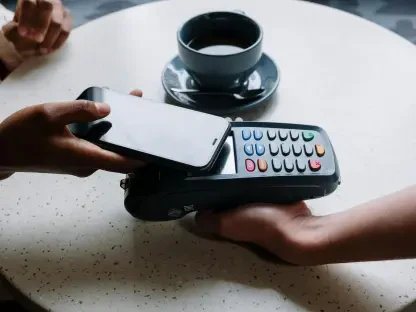
For years, PayPal’s brand was synonymous with online payments, a trusted and nearly ubiquitous button on countless checkout pages. However, beneath this veneer of market dominance, a period of underinvestment left its core product feeling dated. As nimble competitors like Apple Pay offered seamless biometric integration and “Buy Now, Pay Later” (BNPL) providers like Klarna and Affirm captured a new generation of consumers, PayPal’s need to innovate became urgent. The company’s response was a “reimagined” checkout system designed to be faster, smarter, and more secure. This upgrade was not merely an improvement; it was a strategic necessity, a crucial defense against rivals chipping away at its market share. The stage was set for a triumphant comeback, but the execution that followed would prove to be the company’s undoing.
Anatomy of a Strategic Breakdown
The Peril of Overly Ambitious Projections
At the heart of PayPal’s crisis was a profound miscalculation of its merchant partners. The company developed its upgraded checkout system but, in the words of Chief Financial and Operating Officer Jamie Miller, was “too optimistic” about the speed of adoption. PayPal discovered that its largest merchants had their own roadmaps and competing priorities, making the integration of a new payment system a low-priority, high-effort task. The expected rapid rollout stalled as partners required far more hands-on support than anticipated. This roadblock meant that key features, such as modern biometric authentication, could not be deployed at scale, leaving PayPal unable to deliver the frictionless experience needed to compete effectively and justify the upgrade.
From Deceleration to a Financial Reckoning
The operational stumbles translated directly into alarming financial results. In a stark display of its weakened position, PayPal’s payments volume growth decelerated to a mere one percent year-over-year in the fourth quarter, a dramatic drop from the five percent growth seen just one quarter earlier, even with the holiday shopping season. This slowdown was exacerbated by macroeconomic headwinds, particularly in Germany, and reduced spending among lower- and middle-income consumers. The fallout was so severe that the company was forced to abandon its ambitious 2027 financial outlook, a move that signaled a deep loss of confidence in its own long-term strategy and sent a clear message to Wall Street that its growth engine had seized.
The Leadership Vacuum and Competitive Vulnerabilities
Such a profound failure in execution inevitably led to a crisis of leadership. CEO Alex Chriss is now set to depart after failing to deliver on the promised turnaround, an unsettling echo of his predecessor Dan Schulman’s 2023 exit for similar struggles. With CFOO Jamie Miller serving as an interim leader until incoming CEO Enrique Lores takes the helm, the instability at the top highlights a persistent inability to bridge the gap between strategy and execution. This leadership churn has left PayPal looking vulnerable and slow-footed precisely when competitors like Apple and the BNPL players are at their most aggressive, steadily siphoning off market share.
Charting a New, More Focused Course
In the wake of its strategic failure, PayPal is pivoting toward a more pragmatic and focused approach. The company now acknowledges it erred by attempting a one-size-fits-all upgrade. Its revised plan will concentrate resources on “high-impact merchants,” providing them with dedicated, mission-based support to ensure successful integration. A primary goal is to make the adoption of biometric technology widespread to finally deliver a truly frictionless checkout. Furthermore, PayPal is pushing to have its payment options, including its BNPL services, appear much earlier in merchants’ checkout flows. To re-engage its consumer base, the company plans to bolster its loyalty and rewards programs, particularly for its Venmo service, in an effort to restore brand loyalty and drive repeat usage.
Key Takeaways for a Disrupted Market
The turmoil at PayPal offered critical lessons for the entire fintech industry. The most significant takeaway was that even for an established giant, product innovation without a realistic and well-supported execution plan was a recipe for disaster. This crisis underscored the necessity of deeply understanding partners’ operational realities and resource constraints before launching ambitious platform changes. For investors and competitors, PayPal’s situation was a reminder that market leadership is fragile and that operational excellence is a more reliable indicator of future success than bold proclamations. Moving forward, PayPal’s primary challenge was not just technological but relational—it had to rebuild trust with its most important merchants by proving it could be a reliable and supportive partner.
A High-Stakes Bet on Execution
PayPal’s journey from market leader to a company in crisis serves as a powerful cautionary tale about the perils of strategic overreach and flawed execution. Its failure to deploy a critical product upgrade has unraveled its growth narrative, cost top executives their jobs, and exposed deep vulnerabilities. The company’s future now hinges on a more focused, realistic strategy and the ability of its new leadership to deliver where others have failed. The ultimate question is whether this sharpened approach will be enough to regain lost ground and re-establish PayPal as the dominant force in an industry that never stops innovating. The entire digital payments world will be watching.