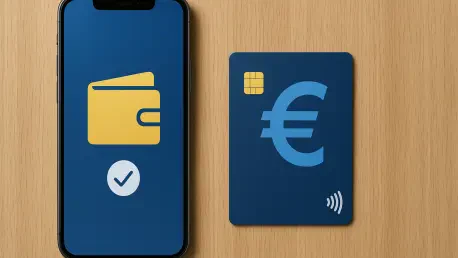

The migration of the PaysafeCard Account and Card product into a full-service digital wallet provides users with the ability to spend digital balances at any physical retail location. This development represents a monumental shift for the European financial landscape as the Paysafe Group unifies its distinct brands under a single, cohesive digital umbrella. By integrating Skrill, Neteller, and PaysafeCard into a singular ecosystem, the company has effectively simplified the user experience for millions across eighteen European markets. This strategic consolidation facilitates a more robust multi-currency financial model that caters to a wide range of consumer behaviors, from conservative cash-based spending to high-frequency digital trading. The April 2026 rollout reflects a significant confidence in the scalability of integrated payment solutions, signaling that the era of fragmented digital accounts is giving way to unified, comprehensive banking alternatives that prioritize both security and accessibility.
Streamlining Operations for the Modern Merchant Economy
The implementation of a unified wallet architecture offers immediate operational benefits for merchants operating within the modern experience economy, such as video game publishers, travel platforms, and iGaming providers. By maintaining funds within a verified, closed-loop environment, the system allows for transaction settlements that occur in near real-time, which is a significant improvement over traditional banking delays. This accelerated payout speed is crucial for businesses that require high liquidity to manage their daily operations and provide a seamless experience for their customers. Furthermore, the velocity of these internal transfers reduces the risk of payment cancellations or chargebacks, providing a more stable financial foundation for high-volume retailers. As the ecosystem matures throughout 2026 and into 2028, merchants will likely find that this increased efficiency translates directly into higher customer retention rates and improved cash flow management across various sectors.
Beyond speed and liquidity, the consolidated wallet provides a more sophisticated framework for risk mitigation and fraud prevention compared to traditional payment methods. Because every wallet is tied to a verified identity profile with comprehensive historical data, the signals used to detect fraudulent activity are far more reliable than those generated by one-off credit card transactions. This high level of transparency allows merchants to approve more legitimate transactions with confidence while simultaneously lowering their exposure to bad actors. Additionally, the ability to fund accounts through an internal ecosystem allows platforms to bypass traditional card networks for many deposits, effectively reducing the overhead costs associated with processing fees. This cost-saving measure is particularly impactful for digital businesses that handle frequent, small-scale transactions where network fees can often erode profit margins. Consequently, the wallet functions not just as a payment tool, but as a comprehensive financial infrastructure.
Preserving Specialization and Bridging the Digital Divide
While consolidation is a primary goal, the strategy also emphasizes the preservation of specialized tools for high-value users through brands like Neteller. Neteller continues to operate under the strict regulation of the Central Bank of Ireland, ensuring that its reputation for security and professional-grade service remains intact for its dedicated user base of traders and gamers. The core value proposition here is the ability to manage multi-currency balances—including Euros, Dollars, and Sterling—simultaneously within a single interface. This flexibility is indispensable for individuals who participate in international markets and need to move capital quickly without being hindered by exorbitant currency conversion fees or slow international wire transfers. By maintaining these high-end features within the broader corporate architecture, the company ensures that it does not alienate its most sophisticated users while still benefiting from the efficiencies of a unified technical backend.
One of the most profound impacts of this unified strategy is its capacity to bridge the digital divide for consumers who have historically relied on cash for their daily needs. In many European nations, including Germany, Italy, and Greece, cash remains a preferred method for budgeting and maintaining privacy, leaving a significant portion of the population underserved by traditional digital banking. The new wallet architecture provides these individuals with a legitimate and accessible entry point into the digital economy by allowing them to deposit cash directly into a digital account. Once these funds are digitized, they are linked to a functional International Bank Account Number (IBAN) and a debit card, granting users the ability to shop online and pay digital bills just like any other bank customer. This model does not require the user to abandon their cash-first habits, but rather enhances those habits with the modern conveniences of a digital financial ecosystem.
Establishing a New Benchmark for European Payments
The consolidation of these financial assets serves as a critical benchmark for the broader fintech industry, highlighting a decisive shift toward achieving primary account status. As competitors like Revolut and other digital banking giants explore new strategies, such as the implementation of stablecoins or further integration of blockchain technology, the success of this unified wallet proves that a multi-currency, account-centric model is commercially viable on a global scale. With an annualized transactional volume reaching $167 billion based on data from the current period, the platform has demonstrated that modern consumers value the combination of cash-to-digital on-ramps and integrated banking features. This trend suggests that the future of European payments will be defined by platforms that can offer a one-stop-shop for all financial needs, rather than a collection of disconnected apps. For other fintech operators, this launch defines the current standard for digital wallets.
The launch of the unified wallet successfully addressed the complex needs of diverse financial stakeholders by repositioning the multi-currency tool as a central commercial strategy. This initiative demonstrated that financial institutions could effectively serve professional traders and cash-reliant consumers within the same architectural framework without compromising on specialized features. Analysts observed that the integration facilitated a more streamlined approach to cross-border transactions and provided merchants with the enhanced security protocols required for modern digital commerce. For industry leaders, the primary takeaway was the necessity of prioritizing user-centric flexibility over traditional banking silos to capture market share in a rapidly evolving economy. Moving forward, organizations should consider adopting similar integrated models that emphasize interoperability between cash and digital assets to ensure long-term loyalty and financial ecosystem stability.