
The convergence of traditional mobile banking and decentralized finance has reached a critical milestone as everyday digital transactions begin to mirror the complexity and speed of global institutional markets. As millions of users shift away from volatile crypto assets toward more reliable digital representations of fiat currency, the demand for seamless integration within hardware-backed security environments has never been higher. Samsung has addressed this shift by embedding native support for major stablecoins directly into its flagship wallet application, effectively turning smartphones into sophisticated financial hubs. This move signals a departure from the era of experimental blockchain usage and enters a phase where digital dollars, euros, and yen are treated with the same fluidity as credit cards or cash. By prioritizing stablecoins like USDC and USDT, the platform provides a bridge for consumers who seek the efficiency of blockchain technology without the price swings that typically characterize the digital asset space.
Bridging the Gap: The Transition to Programmable Money
The decision to prioritize stablecoins over traditional cryptocurrencies reflects a broader market trend toward utility-driven digital finance where value preservation remains the primary objective for most users. Integrating these assets into a mobile wallet allows for instantaneous peer-to-peer transfers and cross-border payments that bypass the delays and high fees often associated with legacy wire transfer systems. For the average consumer, this means the ability to hold a digital balance that is pegged one-to-one with the U.S. dollar while enjoying the technical advantages of distributed ledger technology. This implementation is not merely a cosmetic update but a fundamental restructuring of how liquid capital is managed on a personal device. It allows users to settle debts, pay for services, and manage household budgets using programmable money that can be automated through smart contracts. This level of functionality transforms the wallet from a simple storage container into an active participant in the modern economy.
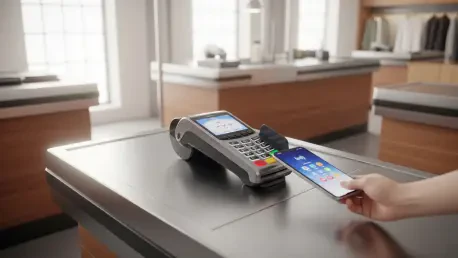
Furthermore, the inclusion of stablecoin support serves as a catalyst for merchants who have previously been hesitant to accept digital assets due to the risks associated with market volatility. By utilizing assets that maintain a consistent value, businesses can now accept digital payments with the confidence that their margins will not be eroded by sudden market shifts. This creates a circular economy where digital currency flows seamlessly from consumer to merchant and back into the financial system without the need for constant conversion into physical cash. The technical infrastructure supporting these transactions relies on high-throughput networks that ensure near-instant finality, making mobile checkouts as fast as traditional tap-to-pay methods. As these protocols become more deeply embedded in the consumer experience, the distinction between a bank account and a digital wallet continues to blur. This evolution suggests that the next phase of financial growth will be defined by the accessibility of decentralized rails to the general public.
Security and Regulatory Infrastructure: A Foundation for Growth
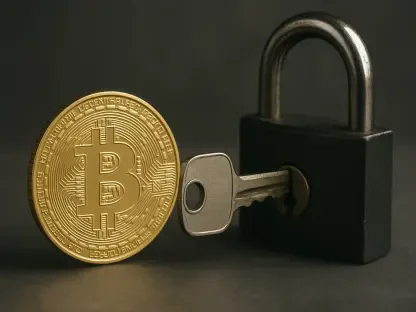
Security remains a significant hurdle for the widespread adoption of digital finance, yet the latest updates leverage sophisticated hardware-level protections to mitigate these risks. Samsung Knox, the multilayered security platform built into Galaxy devices, provides a dedicated isolation zone for sensitive cryptographic keys, ensuring that private data remains inaccessible to the main operating system. This hardware-backed approach protects stablecoin balances from sophisticated malware and phishing attempts that frequently target software-only wallets. By storing critical transaction data within a Trusted Execution Environment, the system ensures that every movement of funds is authorized by the physical owner through biometric verification. This level of defense-in-depth is essential for maintaining consumer trust in an era where digital theft has become increasingly complex. The combination of hardware security and real-time monitoring tools provides a robust framework that rivals the safety protocols of traditional commercial banks.
The expansion of mobile wallet capabilities into the realm of stablecoins marked a decisive shift in how global populations interacted with their personal wealth and international commerce. By removing the friction from digital asset transactions, the platform enabled a new generation of users to participate in a borderless economy that functioned independently of traditional banking hours or regional restrictions. Individuals and businesses benefited from diversifying their digital payment options to include stablecoins as a core component of their financial strategy. Establishing a secure, hardware-backed wallet setup facilitated a smoother transition as more retailers phased out legacy payment systems in favor of digital-first solutions. Organizations also evaluated the potential for smart contract automation to streamline internal accounting and reduce the costs associated with traditional banking intermediaries from 2026 to 2028. The transition proved that the integration of stablecoins was not a niche experiment but a necessary evolution in the global digital finance landscape.