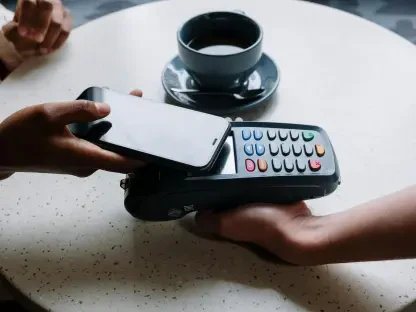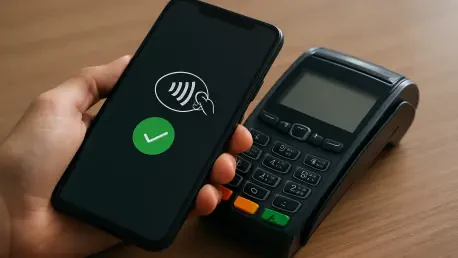

The familiar fumble for a transit card or exact change at a busy bus stop is becoming a relic of the past for some Seattle commuters, as the city’s transit system has initiated a significant technological step forward. Riders on the RapidRide G line are now the first to experience the convenience of Open Payments, a new feature integrated into the ORCA system that allows fares to be paid with a simple tap of a contactless credit card, debit card, or a smart device. This soft launch represents a major move toward modernizing public transportation access, aiming to streamline the boarding process and make transit more accessible for occasional riders and tourists who may not have a dedicated ORCA card. By embracing the same near-field communication technology used in countless retail transactions daily, the system seeks to lower the barrier to entry for public transit, potentially increasing ridership and improving the overall customer experience through enhanced convenience and speed. The initial deployment on a single high-traffic line serves as a real-world testbed for the technology before a planned expansion.
Navigating the Initial Rollout
While the introduction of tap-to-pay is a welcome advancement, riders participating in this initial phase should be aware of several important operational guidelines and limitations. During the soft launch, the system is configured to accept payments only for full-price adult fares, meaning those eligible for reduced fares will need to continue using their ORCA LIFT, youth, or senior cards. Furthermore, the convenience of seamless electronic transfers to other transit services is not yet active; passengers needing to connect to another bus or train must request a traditional paper transfer slip from the operator to validate their journey. Transit officials have confirmed that automatic transfers will be a core feature of the full system-wide rollout anticipated in the spring. It is also critical for users to understand that the system operates on a one-rider-per-payment basis, prohibiting the use of a single card or device to pay for multiple passengers. To prevent payment errors known as “card clash,” riders are strongly advised to remove their chosen payment card from their wallet or purse before tapping the reader, especially if they also carry a standard ORCA card or other contactless bank cards.
A Framework for Future Payments
The implementation of the tap-to-pay system extended beyond the installation of new readers, involving the development of new back-end processes for fare verification and transaction management. For fare enforcement purposes, passengers who used the new Open Payments option were required to present their physical card or smart device to inspectors, who would then verify the transaction by checking the first six and/or last four digits of the card number. To provide transparency and help riders manage their transit spending, a dedicated website was launched, allowing users to look up their recent travel and payment history. The system also incorporated a clear protocol for handling payment issues. In an instance where a payment was declined, the associated card was temporarily blocked from further use on the network until the outstanding balance was settled. Upon its next successful tap, the card was automatically charged for both the previously unpaid trip and the new fare, a mechanism designed to ensure financial accountability within the more open and flexible payment ecosystem.