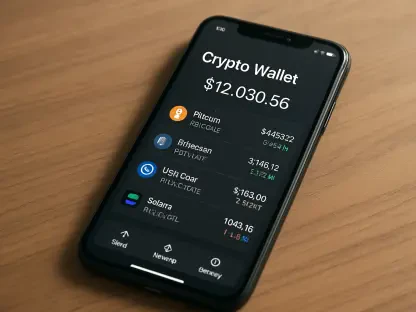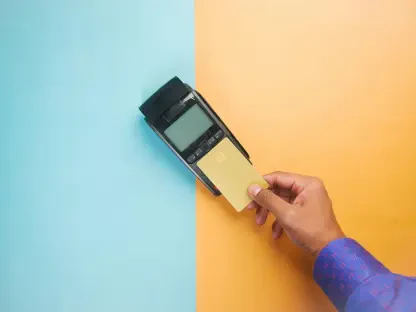
The sensory experience of fumbling through a thick leather wallet to find a specific credit card or identification badge is becoming an ancient relic of a previous financial era. In the current landscape of 2026, the transition toward a fully digitized personal inventory has accelerated beyond simple convenience into a mandatory evolution of consumer behavior. This shift is characterized by the convergence of high-speed telecommunications and sophisticated encryption, allowing individuals to navigate their daily lives with nothing more than a smartphone or a sleek wearable device. As the world moves away from the tactile necessity of plastic and paper, the digital wallet has emerged as the central pillar of a more efficient, interconnected existence, fundamentally altering the way society perceives ownership, identity, and value exchange. This movement is not merely a technological trend but a wholesale reimagining of the human interface with the modern economy and urban infrastructure.
Enhancing Financial Security and Data Integrity
Protecting Assets Through Advanced Encryption
The vulnerability of a physical wallet lies in its analog nature, where a single moment of localized theft or a simple misplacement can lead to a catastrophic compromise of one’s entire financial identity. When a traditional billfold is lost, the victim faces an immediate race against time to contact multiple banking institutions, government agencies, and service providers before unauthorized transactions can be finalized. In stark contrast, a digital wallet operates within a fortified ecosystem that treats security as an active, ongoing process rather than a passive state. By utilizing the advanced biometric sensors integrated into modern hardware, such as 3D facial mapping and ultrasonic fingerprint scanning, these devices ensure that the person holding the phone is the actual owner of the credentials. This biological gatekeeping acts as a powerful deterrent, rendering a stolen device nearly useless to a common thief who lacks the specific physiological keys required to unlock the encrypted vault.
Furthermore, the underlying architecture of digital payments employs a sophisticated method known as tokenization to shield sensitive data during the exchange process between a consumer and a merchant. Unlike a physical card that displays a static sixteen-digit number and a security code, a digital wallet generates a one-time-use surrogate value for every individual purchase. This means that the merchant’s point-of-sale system never actually touches or stores the primary account number, effectively neutralizing the threat of large-scale data breaches at the retail level. Even if a sophisticated hacker manages to intercept the transmission or infiltrate a store’s database, they would only find a collection of expired, useless tokens that cannot be used to recreate the original card details. This shift from static to dynamic data represents the most significant advancement in consumer protection since the introduction of the EMV chip, providing a level of psychological peace of mind that physical cards simply cannot match.
Mitigation of Identity Theft and Fraud
Beyond the immediate financial risks, the traditional wallet often serves as a dangerous repository for various forms of sensitive documentation that can be leveraged for long-term identity theft. Items such as Social Security cards, medical insurance forms, and even simple membership badges contain enough disparate information for a malicious actor to piece together a convincing fraudulent profile. Moving these elements into a secured digital environment allows for the granular control of information sharing, where only the necessary data points are revealed for a specific transaction. For example, a digital ID can verify a user’s age for a purchase without disclosing their home address or full date of birth to a stranger. This selective disclosure is a hallmark of the modern privacy-first approach, ensuring that personal details remain under the strict governance of the individual rather than being exposed on a piece of printed plastic.
The proactive nature of digital financial management also extends to real-time monitoring and immediate response capabilities that are impossible with analog tools. Most digital wallet platforms are now integrated with advanced AI-driven fraud detection systems that analyze spending patterns and geographical data to flag suspicious activity within milliseconds. If a transaction occurs in a location that does not align with the user’s current GPS coordinates, the system can automatically pause the account and send an instant push notification to the device for verification. This instantaneous feedback loop transforms the user from a passive victim into an active participant in their own security. The ability to “freeze” a digital card with a single tap on a screen provides a tactical advantage in the fight against fraud, ensuring that the window of opportunity for a criminal is closed before they can even leave the scene of the attempt.
The Global Shift to Contactless Infrastructure
Universal Acceptance and Lifestyle Integration
The physical act of swiping a magnetic stripe or even inserting a chip into a terminal has become a secondary fallback as Near-Field Communication (NFC) becomes the global standard for commerce. From the bustling metropolitan transit systems of London and Tokyo to the local farmers’ markets in rural America, the ubiquity of tap-to-pay terminals has reached a critical mass that renders the “backup” physical card increasingly redundant. This massive overhaul of the retail hardware landscape was driven by a collective demand for speed and hygiene, resulting in a world where a transaction can be completed in less than two seconds with a simple wave of a wrist. As a result, the psychological barrier of “what if they don’t take it” has dissolved, replaced by a confident reliance on the digital ecosystem. This universal acceptance has paved the way for a more fluid movement through the day, where the friction of payment is virtually eliminated from the consumer experience.
This shift toward a contactless world has profound implications for personal lifestyle and physical freedom, particularly for those who prioritize mobility and minimalism. For the fitness enthusiast, the ability to leave the house for a long-distance run or a cycling session without a jingling pocket full of keys and cards is a significant quality-of-life improvement. Modern smartwatches now possess the same robust payment and identification capabilities as flagship smartphones, allowing for a fully untethered experience where one can buy a bottle of water, access a gym locker, and even pay for a ride home using only the device on their wrist. This level of integration ensures that the tools of modern life are always accessible but never burdensome, aligning perfectly with the contemporary desire for streamlined, high-performance daily routines. The digital wallet is no longer a separate application but a background service that empowers the user to interact with their environment without a second thought.
Transitioning to a Cashless Urban Environment
In many major metropolitan areas, the push toward a completely cashless infrastructure has transformed public services and transportation into a seamless digital journey. Major transit hubs have moved away from proprietary paper tickets and plastic transit cards in favor of open-loop payment systems that accept the same digital wallets used at a grocery store. This eliminate the need for commuters to wait in line at kiosks or navigate complex fare-loading applications while standing in a crowded subway station. Instead, a simple tap of a phone at the turnstile manages the entire process, including the calculation of transfers and daily fare caps. This integration not only speeds up the flow of thousands of people through tight urban spaces but also reduces the environmental impact of millions of discarded plastic transit cards. The city itself is becoming a smart environment that recognizes and interacts with the digital signatures of its residents.
The evolution of the retail experience is also moving toward “just walk out” technology, where the digital wallet serves as the primary gateway to a shopping session. In these environments, sensors and cameras track the items selected by a customer, and the final total is automatically deducted from their preferred digital payment method as they exit the store. This represents the ultimate conclusion of the contactless revolution, where the traditional checkout line is removed entirely. For this to function reliably, the connection between the user’s digital identity and their financial accounts must be instantaneous and secure, a feat that is only possible through the robust protocols of modern digital wallet platforms. As these automated retail environments become more common, the physical card becomes a literal obstacle to the speed of modern commerce, further cementing its status as an obsolete tool of a slower, more cumbersome past.
Consolidating Life Into a Single Digital Hub
Digital Identity and Smart Access Control
The modern digital wallet has transcended its original role as a financial repository to become the definitive vault for a person’s legal and professional identity. As of 2026, the adoption of mobile driver’s licenses and digital passports has reached a tipping point, with numerous jurisdictions and international travel authorities accepting these digital credentials as the primary form of verification. These digital IDs are not merely photographs of a physical card but are cryptographically signed documents that can be verified by law enforcement or airport security through a secure, wireless handshake. This advancement eliminates the risk of losing vital travel documents in a foreign country and streamlines the boarding process at airports, where digital passes are now integrated directly into the security screening workflow. The consolidation of identity into a secure device ensures that a person’s legal standing is always backed up and easily accessible.
Beyond government-issued identification, the digital wallet is also revolutionizing the way we interact with our physical surroundings through smart access control. The same technology that facilitates a grocery purchase now allows users to store encrypted digital keys for their homes, apartments, and office buildings. When paired with smart locks, a smartphone or watch can automatically unlock a door as the user approaches, removing the need for physical keychains that are easily lost or duplicated. This technology also allows for the seamless sharing of temporary access; for example, a homeowner can send a one-time digital key to a delivery person or a houseguest, which automatically expires after a set period. This level of granular control over physical security represents a significant leap forward in home management, turning the digital wallet into a master key for the user’s entire physical world, from their front door to their workspace.
Actionable Strategies for a Digital-First Future
To fully capitalize on the advantages of the digital wallet revolution, individuals should move beyond simply adding a credit card to their phone and begin an intentional consolidation of their entire personal ecosystem. The first step involves auditing all physical items currently held in a traditional wallet—loyalty cards, health insurance identifiers, and professional certifications—and seeking out their official digital counterparts. Many organizations now offer verified digital passes that can be stored in standard wallet applications, ensuring that benefits and credentials are never forgotten at home. Moreover, it is crucial to establish a robust secondary authentication method, such as a hardware security key or a dedicated recovery service, to ensure that access to the digital hub can be restored in the event that the primary device is damaged or lost. By building a redundant digital architecture, the transition away from physical cards becomes a source of empowerment rather than a potential point of failure.
Looking forward, the integration of programmable finance and smart contracts within digital wallets will likely redefine our relationship with automated payments and recurring obligations. Users should prepare for a future where their wallet can autonomously negotiate better rates for services or manage micro-transactions in the burgeoning machine-to-machine economy. The ultimate goal of this transition is to reclaim the mental energy spent on the logistics of daily life, allowing technology to handle the mundane tasks of verification and payment. As physical cards are relegated to historical museums, the focus shifts to the management of digital permissions and the optimization of one’s personal data. Embracing this shift today requires a proactive approach to digital literacy and a willingness to trust in the encrypted systems that are now the backbone of global society. The era of the physical wallet has ended, replaced by a more secure, versatile, and intelligent way of navigating the world.