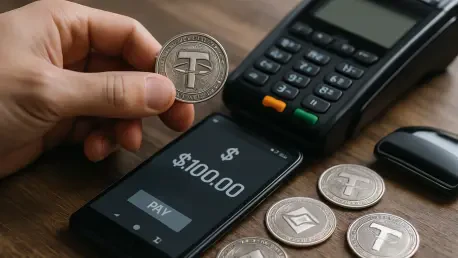

Mobile wallet integration of USDC allows customers to hold and spend digital dollars as easily as using a credit card, lowering the merchant acceptance barrier to near zero. On November 23, 2026, Samsung Wallet officially activated fee-free USDC transfers on the Sui network for eligible Galaxy users in the United States, a move that potentially opens doors for 82 million compatible devices across the country. While this astronomical number reflects hardware readiness rather than current active users, the strategic implication is clear: millions of individual smartphones are now capable of serving as immediate endpoints for stablecoin payments. This bypasses traditional card networks and banking rails entirely, offering a direct route for the movement of digital dollars without the usual delays associated with the legacy financial system. For finance leaders and corporate treasury departments, this announcement represents far more than a minor technical update. It signals the emergence of a new payment infrastructure that could fundamentally alter how receivables and payables are managed in a retail environment. As digital currency becomes more accessible through familiar hardware, the boundary between traditional finance and blockchain-based settlement continues to blur, requiring a proactive response from modern business operators who wish to remain competitive.
1. Recent Developments: Samsung Wallet Introduces Fee-Free USDC Transfers
The technical rollout of Samsung’s USDC integration represents a calculated step toward simplifying blockchain interactions for the average smartphone user. By utilizing the Sui network, a layer-1 blockchain designed for high throughput and low latency, Samsung has effectively eliminated the most common pain points associated with digital asset transfers. Specifically, eligible U.S. Galaxy users can now purchase, store, and send USDC directly within the native Samsung Wallet application. One of the most significant features of this launch is the removal of network fees, often referred to as “gas.” In typical blockchain environments, a user must hold a native token, such as SUI, to pay for the computation required to move a stablecoin. Samsung has removed this hurdle by sponsoring these transactions, ensuring that users can move digital dollars without ever needing to interact with or understand the network’s underlying utility tokens. This frictionless experience is critical for mass adoption, as it mirrors the “tap-and-go” simplicity that consumers have come to expect from digital banking apps.
Beyond the immediate user experience, the scale of this deployment suggests a strategic shift in how mobile manufacturers view their role in the financial ecosystem. The Sui blockchain provides the back-end architecture that supports high-speed processing, which is essential for retail applications where transaction speed is paramount. However, observers note that these transfers currently appear to be limited to interactions between Samsung Wallet users. This “walled garden” approach is a common strategy for early-stage technology deployments, allowing the provider to maintain a controlled environment while testing the limits of the network’s capacity and user security protocols. For businesses, this suggests that stablecoin adoption might initially follow a fragmented pattern, where different mobile ecosystems create their own internal payment rails before moving toward broader interoperability. This controlled environment also helps Samsung manage the regulatory complexities of the U.S. market, providing a safer testing ground for digital dollar utility before expanding the feature set to include open-address transfers to external third-party wallets.
2. Stablecoin Payments: Essential Context for New Users
Understanding the mechanics of stablecoins is essential for any business leader looking to integrate these assets into their financial operations. Stablecoins are digital assets pegged to a specific reference value, most commonly the U.S. dollar, to ensure price stability. USDC is a leading example of a regulated stablecoin, issued by Circle and backed 1:1 by reserves held in cash and short-term U.S. Treasury bonds. Unlike volatile cryptocurrencies like Bitcoin, USDC is designed to maintain a consistent value, making it a viable medium of exchange and a reliable unit of account. On the blockchain, these tokens function as digital bearer instruments. This means that whoever controls the private keys associated with a wallet has direct control over the value stored within it, allowing for near-instantaneous transfers without the need for an intermediary to authorize or process the transaction. This fundamental change in how value is moved across the internet provides a level of autonomy and speed that is simply not possible within the traditional banking system.
The practical advantages of using stablecoins for business operations are most evident in the realm of cross-border transactions. Traditional international wires often rely on the SWIFT network, a legacy system that can take several business days to settle and involves multiple correspondent banks, each taking a fee along the way. These transfers can cost anywhere from $15 to $50 per transaction, even before factoring in unfavorable foreign exchange markups. In contrast, a stablecoin transfer settles in a matter of seconds for a fraction of a cent in network costs. For instance, a U.S.-based company can pay a supplier in a different country by sending USDC directly to their digital wallet. The supplier receives the funds almost instantly and can then choose to hold the assets or convert them into their local currency through a domestic exchange on the same business day. This reduction in both cost and time creates a significant competitive advantage for global businesses, allowing for more efficient cash flow management and lower operational overhead in their international trade activities.
3. Business Implications: Why This Integration Matters
The primary value of Samsung’s move into the stablecoin space lies in the dramatic reduction of consumer friction, which has historically been the greatest barrier to the adoption of digital assets. By embedding USDC functionality directly into the mobile operating system, Samsung has removed the need for users to sign up for external cryptocurrency exchanges, manage complex 24-word seed phrases, or navigate the technical nuances of blockchain addresses. For the first time, a consumer can hold and spend digital dollars with the same ease as using a mobile credit card. This shift in behavior is what truly matters for businesses; when the technical barrier to entry for the customer drops to zero, a merchant’s incentive to accept that payment method increases exponentially. A retail business can now theoretically add a “Pay with USDC” option to its checkout process by simply displaying a QR code, tapping into a demographic of millions of Galaxy users who are already equipped with the necessary tools to complete the transaction.
There are several concrete applications for this technology that extend beyond simple retail sales. In the world of e-commerce, merchants can integrate USDC payment buttons to bypass the 3% interchange fees typically charged by credit card networks. Because stablecoin transactions settle instantly on the blockchain, merchants do not have to wait for the standard two-day batch delay before funds hit their accounts, significantly improving their working capital. Similarly, service-based agencies that employ international freelancers can utilize stablecoins to simplify payroll. Instead of dealing with the administrative burden and high costs of international wires, an agency can send USDC directly to a freelancer’s wallet, ensuring they receive their full payment without it being eroded by intermediary fees. Furthermore, decentralized organizations can manage grants and operational expenses through corporate-grade wallets that bridge the gap between blockchain transparency and traditional financial reporting, allowing for a more streamlined approach to managing modern, distributed workforces.
4. Immediate Action: Preparing for Mainstream Stablecoin Use
To prepare for the arrival of stablecoin payments, businesses should first establish a secure and compliant receiving point. This begins with selecting a licensed custodial wallet provider rather than attempting to manage private keys on a standard mobile device. A custodial provider handles the technical security and regulatory requirements of holding digital assets, ensuring that company funds are protected by enterprise-grade security protocols. Once a wallet is established, the next step is to generate a dedicated USDC receiving address. This address, along with a corresponding QR code, should be integrated into existing invoicing and checkout workflows. It is also vital to include a unique reference ID or memo for each transaction to ensure that incoming payments can be easily reconciled within the company’s accounting software. By automating these initial steps, a business can begin accepting stablecoins with minimal disruption to its daily operations, providing a modern payment alternative to its tech-savvy customer base.
Managing the transition from digital assets back into traditional fiat currency is the next critical phase of the implementation process. Businesses must define clear liquidation rules to minimize their exposure to the digital asset ecosystem if they do not intend to hold stablecoins on their balance sheets. This involves setting up an “off-ramp” through a platform that supports crypto-to-fiat conversion. Some contemporary banking platforms allow businesses to manage USDC inflows and USD payouts from a single interface, automatically syncing these movements with accounting tools like QuickBooks or Xero. While network fees are virtually nonexistent on the Sui network, business leaders must account for conversion spreads, which typically range from 0.15% to 0.5%, as well as any fees charged by banks for outgoing wires. Choosing a partner that can provide ACH transfers within one business day is essential for maintaining liquidity. Additionally, establishing a compliance program that includes “Know Your Business” and “Know Your Customer” checks will ensure the company remains aligned with evolving regulations like the GENIUS Act in the United States.
5. Ongoing Challenges: Familiar Issues in a New Format
While the integration of USDC into a major mobile wallet is a leap forward, it does not eliminate the inherent risks associated with digital asset infrastructure. One of the primary challenges remains the potential for volatility within the underlying blockchain network. Although USDC itself is designed to be stable, the technical health and security of the Sui network are factors that businesses must monitor. Samsung currently shields its users from the volatility of the native SUI token by sponsoring gas fees, but this sponsorship may not last forever. If the network experiences congestion or if the fee-sponsorship program is discontinued, the cost of transacting could fluctuate, reintroducing complexity into the payment experience. Furthermore, while the risk of a stablecoin de-pegging from the dollar is low for a regulated asset like USDC, it is not zero. Counterparty risk regarding the banks that hold the underlying reserves remains a consideration for corporate treasurers who must decide how much of their working capital should be held in digital form at any given time.
The regulatory environment continues to present a significant hurdle for businesses looking to fully embrace stablecoin payments. The legal framework governing digital assets is still in a state of flux, with multiple agencies often claiming jurisdiction over different aspects of the technology. For instance, recent rulings by the CFTC have clarified that certain stablecoin activities fall under commodities regulation, creating a complex web of compliance requirements that can vary by state and country. This uncertainty makes it difficult for businesses to plan for the long term, as a sudden change in federal law could impact their ability to convert tokens to cash or impose new tax reporting obligations. To mitigate this risk, it is advisable for companies to maintain close relationships with legal counsel specializing in digital assets. Furthermore, while Samsung’s walled-garden approach provides some protection, it also limits interoperability. Businesses must be prepared to manage multiple wallet addresses across different networks if they want to capture the widest possible audience, which can add administrative complexity to their financial reporting.
6. Future Outlook: The Path Toward Global Adoption
The future of stablecoin payments will likely be defined by whether other major mobile operating system providers follow Samsung’s lead. If Apple and Google were to integrate native stablecoin support into Apple Pay and Google Pay, the addressable market would instantly expand to over a billion active smartphones globally. Such a move would transform stablecoin acceptance from a niche competitive advantage into a standard business requirement, much like the shift from physical cash to contactless credit cards. Until then, Samsung’s integration serves as a high-profile experiment that will provide valuable data on consumer behavior and network reliability. The success of this rollout will depend on how many users actually transition from holding stablecoins to spending them in a retail environment. If the volume of transactions reaches a critical mass, it will force traditional financial institutions to accelerate their own digital asset initiatives or risk losing significant market share to these more efficient, blockchain-based payment rails.
Technically, the next 18 months will serve as a rigorous stress test for the Sui network and its ability to handle enterprise-grade throughput. While the network claims to support hundreds of thousands of transactions per second in test environments, real-world usage by millions of Galaxy owners will reveal its true capacity for handling consistent, high-volume traffic. This period will also see a push for greater interoperability between different stablecoin ecosystems. Currently, the industry is fragmented across multiple blockchains, each with its own set of rules and fees. For stablecoins to become a truly global payment standard, there must be a seamless way for a user on one network to send funds to a user or merchant on another without encountering technical barriers. Regulatory convergence will also play a key role, as frameworks like the MiCA regulation in Europe provide a blueprint for how other jurisdictions might standardize stablecoin issuance and transmission. As these technical and legal pieces fall into place, the path toward a more efficient, digital-first global economy becomes increasingly clear.
7. Summary: Strategic Lessons for the Digital Economy
The integration of USDC into Samsung Wallet represented a pivotal moment in the evolution of digital payments, as it successfully bridged the gap between complex blockchain technology and everyday consumer hardware. By providing a fee-free, gasless experience on the Sui network, the initiative effectively removed the primary technical hurdles that had previously kept stablecoins on the fringes of the financial system. This move highlighted the growing importance of mobile manufacturers as key players in the payment ecosystem, capable of challenging the dominance of traditional banking networks. Businesses that observed this shift realized that the ability to accept digital dollars was no longer a futuristic concept but a present-day opportunity to reduce transaction costs and improve settlement speeds. The rollout proved that when the user experience is sufficiently simplified, consumers are willing to adopt new financial tools that offer greater speed and convenience than legacy systems.
Looking back at the impact of this rollout, it became evident that the successful adoption of stablecoins required a balanced approach to both innovation and compliance. Companies that integrated these payment rails early found that they could achieve significant efficiency gains, particularly in cross-border trade and freelance management. However, they also learned that stablecoins were not a complete replacement for traditional banking, as conversion fees and regulatory reporting still required careful management. The lessons learned during this period emphasized the need for businesses to remain agile, establishing basic compliance frameworks and securing partnerships with reliable off-ramp providers before the technology became mainstream. Ultimately, the transition toward stablecoin payments was not just about the technology itself, but about the behavioral shift it enabled. By future-proofing their systems and embracing the efficiency of digital dollars, forward-thinking organizations positioned themselves to thrive in a global economy that moved at the speed of the internet.