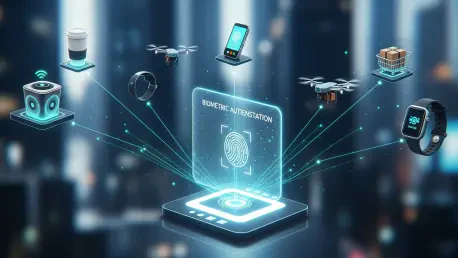

The rapid displacement of traditional authentication methods by sophisticated biometric protocols is currently reshaping the global financial landscape in ways previously confined to the realms of science fiction. The digital payment ecosystem is undergoing a massive transformation, moving away from traditional security measures toward more integrated, hardware-agnostic technologies that prioritize user experience. Recent innovations in the Unified Payments Interface (UPI) ecosystem, such as those introduced by Bank of Baroda’s “bob इ Pay,” signal a shift toward a future where the traditional four- or six-digit PIN is no longer the primary gatekeeper for financial transactions. By leveraging mobile native biometrics, UIDAI face authentication, and Internet of Things (IoT) connectivity, the banking sector is effectively attempting to eliminate the friction associated with manual entry and memory-based credentials. This evolution reflects a broader trend of making financial services an invisible yet secure part of a user’s daily digital interactions, ensuring that every purchase remains fluid.
Eliminating Transaction Friction Through Native Biometrics
Seamless Authentication and Security Thresholds
To enhance the user experience, financial institutions are integrating hardware-level biometrics—such as fingerprint scanners and facial recognition—directly into the payment flow to bypass cumbersome steps. By allowing users to authorize transactions up to ₹5,000 using their smartphone’s native security features, the need to remember and type a PIN is significantly reduced for the majority of daily purchases conducted at merchant outlets. This specific financial cap acts as a strategic buffer, ensuring that convenience does not compromise security while preventing unauthorized remote access or fraud that often plagues traditional PIN-based systems. The shift toward native authentication means that the device itself becomes the primary security token, utilizing internal encrypted enclaves to store biometric data. This prevents sensitive biological markers from ever leaving the device, which provides a layer of privacy that old-fashioned password databases simply cannot match in the current cybersecurity climate of 2026.
Hybrid Security Models and Risk Mitigation
The shift to biometric authorization does not immediately render the old system obsolete but rather offers a more flexible, hybrid approach for the modern consumer who values multiple layers of choice. New platforms maintain a dual-authorization model, giving users the choice between using their physical traits or a traditional PIN, which ensures the technology remains inclusive for all comfort levels and demographic backgrounds. This device-level authentication strengthens the overall security posture by ensuring that only the registered owner of the physical hardware can execute a transfer, effectively mitigating the risks associated with stolen credentials or shoulder surfing. Projections for the banking sector suggest that from 2026 to 2029, the adoption of biometric-only authorization will grow by an estimated forty percent across major urban hubs. Furthermore, the use of biometric identifiers eliminates the “lost password” scenario, reducing the operational burden on bank support centers that previously spent significant resources.
Integrating Advanced Identity Verification and IoT Connectivity
Leveraging Government Infrastructure for Cardless Banking
Beyond simple transaction authorization, biometric technology is revolutionizing how users manage their account lifecycles, particularly regarding PIN resets and complex identity verification processes. By utilizing the UIDAI Face Authentication API, banking apps can now perform live facial scans cross-referenced against the national Aadhaar database, removing the absolute necessity for physical debit cards during the initial setup process. This “phygital” approach simplifies onboarding and reduces operational overhead for banks, as the user’s physical presence serves as the ultimate, tamper-proof credential for sensitive account changes. This method also provides a higher degree of assurance during high-risk events, such as recovery of a locked account or updating personal contact details. By bridging the gap between government-issued identity and commercial banking applications, the industry is creating a unified security standard that relies on the immutable characteristics of an individual user.
Delegated Autonomy and the Ubiquity of Transactions
The scope of digital payments is expanding beyond the smartphone screen and into the realm of the Internet of Things through “Delegate Payments” frameworks that empower connected hardware. This innovation allows a primary account holder to authorize specific devices, such as smart vehicles or home appliances, to conduct transactions autonomously within pre-defined spending limits. For instance, a connected car can be authorized to pay for fuel or tolls directly at the point of service, removing the human element from the immediate transaction and turning financial interactions into a background task managed by hardware. These delegated credentials are often linked to specific hardware IDs, ensuring that even if a device is compromised, the financial exposure is strictly limited to the pre-set allowances. This level of automation is essential for the scaling of smart cities where speed and efficiency are paramount, allowing for a seamless flow of goods and services that require zero manual intervention.
Path Forward: Scaling Invisible Payment Architectures
The transition toward biometric and IoT-driven commerce necessitated a fundamental rethink of how financial institutions managed digital risk and user identity. Organizations that successfully navigated this shift focused on building trust through transparent data policies and robust hardware-level encryption protocols. Looking ahead, the primary consideration for both banks and consumers remained the maintenance of a fallback system that ensured accessibility in diverse environmental conditions. Industry leaders recommended that users regularly audit their delegated device permissions to prevent “subscription creep” and maintain strict control over autonomous spending limits. It was also vital for developers to continue refining liveness detection algorithms to stay ahead of sophisticated spoofing attempts that evolved alongside these technologies. By prioritizing a “security-by-design” philosophy, the financial sector ensured that the move toward invisible payments was characterized by safety rather than just convenience. These steps laid the foundation for a more resilient future.