
While federal authorities have successfully prevented hundreds of millions of dollars in potential losses from card skimming operations, a cybersecurity expert cautions that these efforts likely represent only a fraction of the total threat, urging consumers to remain vigilant. The U.S. Secret Service, in collaboration with various law enforcement partners, conducted extensive inspections of nearly 60,000 payment terminals across the country last year, uncovering over 400 illicit skimming devices. This proactive enforcement is estimated to have prevented more than $428.1 million in fraudulent activity. However, C. Jordan Howell, an assistant professor of criminology, suggests this success highlights a much larger, often invisible problem. Criminals are continuously adapting their methods, targeting not only credit and debit cards but also an increasing number of Electronic Benefit Transfer (EBT) cards, which distribute government assistance funds to vulnerable populations. The insidious nature of this crime means victims are often unaware their data has been compromised until fraudulent charges appear, making preventative knowledge a critical line of defense.
1. The Anatomy of a Modern Financial Threat
Card skimming has evolved into a sophisticated and discreet crime that sidesteps many modern security features by targeting the weakest points in the payment ecosystem. Unlike physical theft, skimming involves capturing a card’s data through a small, difficult-to-detect device placed over a legitimate card reader. This stolen information is then used to create counterfeit cards for fraudulent purchases or is sold on the dark web to other criminals. While the introduction of chip cards has significantly reduced fraud at staffed retail checkouts, criminals have pivoted their focus to unattended terminals like gas pumps, standalone ATMs, and payment kiosks. At these locations, it is much easier to install a skimmer without being noticed. The technology required is neither complex nor expensive to create, allowing for widespread deployment. A victim can complete a transaction, such as fueling a vehicle or withdrawing cash, without any indication of a problem. The transaction processes normally, and the card is returned, leaving the individual completely unaware that their financial information has been silently harvested for future exploitation.
2. Implementing a Proactive Defense Strategy
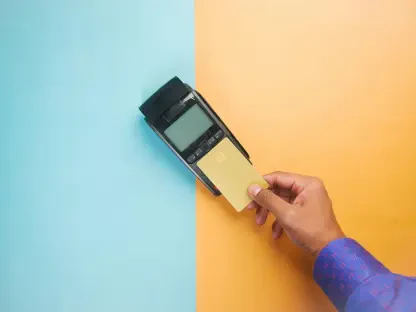
Protecting personal financial information from skimmers requires a combination of modern payment technology and heightened situational awareness, forming what experts call “good cyber hygiene.” The most secure method available is to use contactless payment options, such as tap-to-pay cards or mobile wallets like Apple Pay or Google Pay, whenever possible. These technologies use a process called tokenization, which encrypts sensitive card data and replaces it with a unique, one-time-use digital token, rendering any intercepted information useless to thieves. When contactless payment is not an option, using the card’s chip is the next best alternative; swiping the magnetic stripe should be avoided at all costs. Consumers should also be physically observant at payment terminals. At gas stations, it is advisable to choose pumps that are closest to the store entrance and within the view of security cameras, as these are less likely to be targeted. Before inserting a card, one should physically check the reader for any signs of tampering, such as loose or wiggling parts, broken security seals, or components that do not match the rest of the machine.
3. The Final Layer of Financial Protection
Beyond preventative physical checks and secure payment methods, a crucial aspect of defense involved diligent monitoring and the strategic use of different payment types to mitigate potential damage. This final layer of protection centered on the understanding that no security measure was infallible, and early detection of a breach was paramount. Enabling real-time transaction alerts through a financial institution’s mobile app or website provided immediate notification of any account activity, allowing for the quick identification of unauthorized charges. Regularly reviewing bank and credit card statements became a fundamental habit to catch any fraudulent activity that might have been missed. Furthermore, the choice between using a credit card versus a debit card had significant security implications. Using a credit card for everyday purchases, especially at higher-risk locations like gas pumps, offered a buffer, as fraudulent charges could be disputed without affecting the funds in a primary bank account. This approach limited direct criminal access to cash and leveraged the stronger consumer fraud protections typically offered by credit card issuers, which provided a critical safety net in the event of a compromise.