

The recent surge in venture capital allocations toward the American WealthTech sector reveals a fundamental shift in how financial institutions prioritize artificial intelligence as a core driver for client retention and asset growth. Unlike previous investment cycles that focused primarily on

The traditional foundations of financial surveillance are undergoing a fundamental transformation as regulators move away from rigid, process-oriented mandates toward a results-driven framework that prioritizes actual crime detection. This evolution represents a decisive end to the era where

The leisure and attractions industry has long grappled with the restrictive nature of traditional financial institutions that often fail to recognize the unique seasonal fluctuations and operational needs of venues such as water parks and family entertainment centers. These businesses,

The global financial landscape is currently navigating a period where transaction speeds often outpace the human ability to verify legitimacy, necessitating a fundamental shift in how institutions approach risk. Historically, screening functioned in a vacuum, separated from other compliance
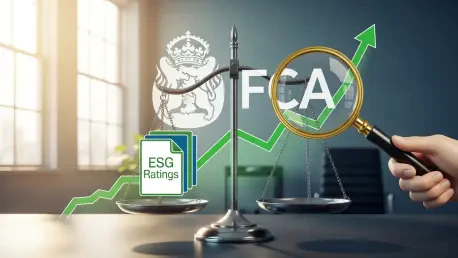
The decision by the Financial Conduct Authority to regulate the Environmental, Social, and Governance rating sector represents a fundamental shift in how global capital evaluates corporate sustainability and ethical responsibility. For years, this industry operated in a space frequently described

The federal regulatory landscape underwent a seismic shift in May 2026 when the Federal Financial Institutions Examination Council introduced a comprehensive plan to overhaul the longstanding CAMELS rating system for the first time in thirty years. This initiative, spearheaded by the Federal