
The glittering streets of Monte Carlo have long represented the pinnacle of global luxury and fiscal exclusivity, yet beneath this polished exterior, a surprising digital divide has persisted for the local merchant community until very recently. While the Principality is recognized worldwide as a
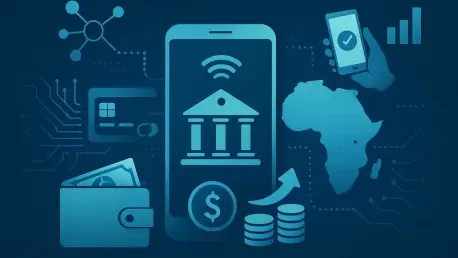
Millions of individuals across the globe have long found themselves trapped in a cycle of economic invisibility simply because they lacked the specific paperwork or geographical proximity required by legacy banking institutions. For decades, traditional banking served as a strict gatekeeper,

As global financial markets navigate an increasingly digitized landscape, the emergence of X Money represents a pivotal shift from traditional retail banking toward a unified social-financial ecosystem. The concept of an everything app has transitioned from a theoretical ambition into a tangible

The British financial landscape has undergone a profound transformation as the total volume of Open Banking API calls officially eclipsed the staggering one hundred billion threshold. This achievement, paired with the processing of over one billion cumulative payments, represents a definitive

The architectural overhaul of the Philippine financial landscape has reached a pivotal juncture as the Bangko Sentral ng Pilipinas and Philippine Payments Management Inc. integrate a unified digital ecosystem. This strategic pivot aims to dissolve the friction that has historically isolated

The digital architecture of African commerce is undergoing a radical transformation as fragmented cash-based systems give way to sophisticated, interoperable payment rails that connect once-isolated markets into a single economic engine. Across the continent, a silent revolution is rebuilding the