
The historical reliance on Total Value Locked as a primary indicator of blockchain success is rapidly giving way to a more rigorous focus on economic value retention. This transformation signifies a departure from the era of vanity metrics that often masked the underlying financial health of

Crypto-agility allows financial platforms to shift between different cryptographic algorithms as standards evolve without requiring complete infrastructure overhauls. This adaptability has become the cornerstone of modern financial defense as the industry faces the most significant transition in

The emergence of specialized data bridges allows firms to pull in custodial feeds and reconcile them for seamless use across CRMs and trading software. As the independent wealth management sector matures in 2026, the demand for sophisticated, integrated technology has moved beyond simple portfolio

As the private credit market swells to over $1.7 trillion, the role of credit rating agencies in providing shorthand for credibility becomes increasingly vital. These institutions serve as the silent architects of the financial world, distilling complex economic indicators into simple, universally

The persistent disconnect between sophisticated corporate artificial intelligence and the rigid architecture of legacy banking portals has long hindered the operational agility of modern treasury departments. Organizations currently spending excessive hours on manual data extraction find that

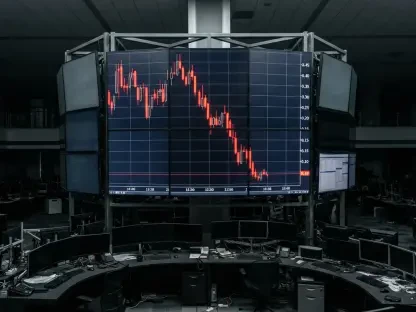
The psychological impact of Bitcoin dipping below the KRW 100 million threshold in South Korea highlights the fragile nature of current market support levels following recent exchange vulnerabilities. This specific price point had served as a bastion of confidence for retail investors across Asia,
1 2 3 4 5 6 7 8 9 10 11 12 13 14 15 16 17 18 19 20 21 22 23 24 25 26 27 28 29 30 31 32 33 34 35 36 37 38 39 40 41 42 43 44