
Millions of hardworking individuals across the United States continue to navigate their daily lives without the basic safety net of a traditional bank account, often relying on high-cost alternative services that drain their resources. This systemic exclusion creates a persistent cycle where the lack of a credit history or formal financial footprint prevents families from achieving long-term stability or participating fully in the modern economy. For the Hispanic community in particular, these challenges are frequently compounded by language barriers and rigid identification requirements that legacy institutions refuse to accommodate. However, a significant shift occurred on March 5, 2026, when DolFinTech introduced its new suite of digital banking services specifically tailored to these underserved segments. By launching FDIC-insured demand deposit accounts under the DolEx and Barri brands, the company has positioned itself as more than just a money transfer service, offering a legitimate path toward comprehensive financial health for those who have long been overlooked by Wall Street.
The Technological Foundation: Leveraging Embedded Finance Systems
The technological backbone of this initiative rests on the “Arc” platform, a sophisticated embedded finance solution developed by Green Dot that allows non-traditional financial entities to offer robust banking products. By utilizing a cloud-based, modular infrastructure, DolFinTech has been able to bypass the immense costs and regulatory hurdles typically associated with establishing a brand-new banking division from the ground up. This partnership ensures that customers receive the security of FDIC-insured accounts while benefiting from a user interface designed by a company that understands their specific transactional habits. The integration of such advanced technology enables the Houston-based firm to provide real-time updates, secure encryption, and seamless connectivity between mobile applications and back-end banking ledgers. This shift signifies a broader trend in the 2026 financial landscape where specialized fintech firms leverage third-party expertise to challenge the dominance of massive, less agile commercial banks.
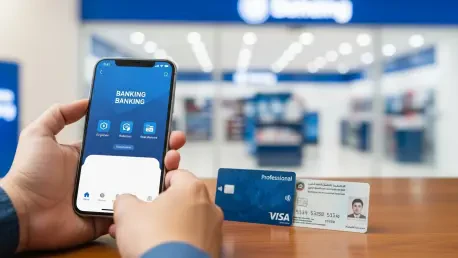
Beyond the digital framework, the most compelling aspect of this strategy is the “omnichannel” model that effectively merges the virtual world with over 500 physical retail storefronts throughout the country. Unlike digital-only neobanks that often struggle to build trust with populations wary of online-only interactions, this hybrid approach allows users to speak with a representative in person to open an account or resolve issues. This physical presence acts as a bridge, providing a tangible sense of security for customers who might be apprehensive about depositing their hard-earned money into a platform they cannot visit. At these locations, individuals can deposit cash, verify their identities, and receive immediate assistance, which significantly lowers the psychological barrier to entry for the underbanked. By maintaining this widespread brick-and-mortar footprint alongside a sleek mobile application, the company ensures that its services are accessible to everyone, regardless of their level of digital literacy or access to high-speed internet.
Overcoming Cultural and Administrative Obstacles to Access
A major differentiator for these new banking services is the deliberate removal of traditional administrative roadblocks, particularly concerning identification and language support. Many traditional banks require a standard set of domestic identification that many members of the Hispanic and immigrant communities may not possess, effectively locking them out of the formal economy. DolFinTech has addressed this head-on by accepting select forms of foreign government-issued identification, thereby recognizing the diverse reality of its primary customer base. Furthermore, the provision of comprehensive multilingual support across all touchpoints ensures that complex financial concepts are communicated clearly in the customer’s preferred language. This cultural sensitivity is not merely a marketing tactic but a functional necessity that empowers users to manage their funds with confidence and clarity. By treating these customers with dignity, the provider fosters long-term loyalty that traditional institutions have failed to cultivate.
The actual utility of the DolEx and Barri Visa Debit Cards was bolstered by features that are often missing from basic prepaid options, such as direct deposit and overdraft protection. These accounts allowed users to have their paychecks deposited electronically, which eliminated the need for expensive check-cashing services and provided faster access to their earnings. The inclusion of overdraft protection served as a critical safety net, preventing transactions from being declined during minor cash flow gaps and helping users avoid punitive fees. Additionally, the mobile interface provided detailed spending insights and money management tools that encouraged better budgeting habits and long-term financial planning. Moving forward, financial institutions should prioritize the acceptance of diverse identification forms and the implementation of multilingual support as standard operational procedures rather than optional features. The integration of these essential tools provided a clear path for users to transition from cash-heavy lifestyles to formal banking ecosystems.