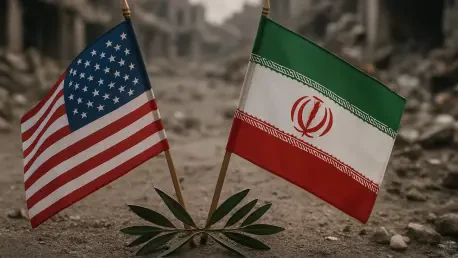

The sudden suspension of military operations between the United States and Iran on April 7, 2026, instantly transformed a climate of profound geopolitical dread into an aggressive “risk-on” environment for global investors. Just moments before a planned bombing campaign was slated to commence, the geopolitical landscape shifted dramatically as news of a two-week ceasefire surfaced through official channels. This unexpected diplomatic breakthrough, announced via social media by the U.S. administration and subsequently confirmed by Tehran, effectively neutralized the immediate threat of a wider regional conflict. For weeks, the specter of war had acted as a heavy ceiling on global growth assets while simultaneously driving energy costs to restrictive levels. The realization that a Pakistani-brokered proposal had successfully opened a window for negotiation allowed markets to breathe a collective sigh of relief. Consequently, the volatility that had characterized the preceding month was replaced by a massive influx of capital into risk-oriented sectors, fundamentally altering the short-term trajectory of both traditional and decentralized financial systems worldwide.
Market Evolution Under Diplomatic Resolution
Resilience: The Performance of Digital Assets
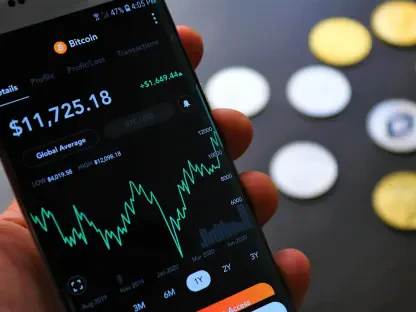
The cryptocurrency sector emerged as the primary beneficiary of the de-escalation, with Bitcoin leading a substantial rally that saw its value vault past the $72,000 threshold. This 5% increase within a single 24-hour window served as a definitive signal that institutional and retail investors were eager to move away from defensive posturing. The broader market sentiment was reflected in the CoinDesk 20 Index, which climbed to 2,034 points, illustrating a synchronized recovery across various altcoins and decentralized finance protocols. This surge was not merely a passive upward move but was characterized by intense trading volume that overwhelmed previous resistance levels. Analysts observed that the stability provided by the ceasefire announcement allowed for a concentrated re-entry into the digital asset space, as the fear of a systemic shock resulting from a Middle Eastern war began to dissipate. This movement demonstrated the unique role of high-liquidity digital assets as leading indicators for global sentiment shifts during periods of rapid geopolitical change.
This aggressive upward price action triggered a massive short squeeze that significantly amplified the gains across the entire crypto ecosystem. In total, nearly $600 million in leveraged crypto futures were liquidated, with more than $400 million of that total stemming from bearish positions that were caught off guard by the diplomatic pivot. These liquidations created a feedback loop, forcing traders to buy back their positions and further driving prices higher in a compressed timeframe. The scale of these liquidations highlights the extent to which the market had been positioned for a negative outcome or a prolonged military conflict. By clearing out these leveraged short positions, the market established a more robust foundation for the current price levels, reducing the immediate overhead pressure from speculators. This event serves as a reminder of how quickly sentiment can flip in the modern financial era, where diplomatic news can travel across the globe and trigger automated trading responses in milliseconds, leaving those on the wrong side of the volatility facing substantial capital losses.
Recovery: Performance of the Equity Benchmarks
Traditional equity markets in the United States showed equally robust gains as investors recalibrated their portfolios to favor growth-oriented technology and industrial stocks. The Nasdaq Composite led the charge with a 2.2% increase, signaling a renewed appetite for innovation-heavy firms that are sensitive to energy prices and general macroeconomic stability. Simultaneously, the S&P 500 and the Dow Jones Industrial Average rose by 1.9% and 1.8% respectively, reflecting a broad-based recovery that extended beyond just the technology sector. The removal of the “war premium” allowed for a focus on corporate fundamentals rather than the daily fluctuations of geopolitical tension. This shift was particularly evident in the consumer discretionary and manufacturing sectors, which had previously been weighed down by concerns over supply chain disruptions and escalating operational costs. The rally in equity futures indicated that the market was effectively pricing in a period of relative calm, allowing for a more optimistic outlook on quarterly earnings and long-term capital investments across the domestic economy.
The transition from a defensive stance back to growth was further supported by the belief that a sustained ceasefire could help temper inflation fears that had suppressed risk assets for over a month. Prior to the ceasefire, the anticipation of higher energy costs had led to a widespread assumption that interest rates would remain elevated to combat rising prices. However, the sudden cooling of tensions prompted a re-evaluation of these inflationary pressures, leading to a stabilization in bond yields and a more favorable environment for equities. Investors began to move capital out of safe-haven assets like long-term treasuries and into the stock market, seeking higher returns in a less volatile environment. This rotation of capital suggests that the diplomatic breakthrough did more than just prevent a conflict; it provided a much-needed psychological reset for the financial community. By decoupling the performance of the stock market from the immediate threat of a regional war, the ceasefire allowed for a more rational assessment of economic data, paving the way for a more sustainable and less reactive growth trend in the coming quarters.
Energy Dynamics and Diplomatic Realities
Correction: The Global Energy Sector
The energy sector experienced a sharp and immediate correction as the “war premium” that had artificially inflated oil prices for weeks essentially vanished overnight. West Texas Intermediate and Brent crude prices both plummeted by more than 10%, with West Texas Intermediate dropping to $95 per barrel in a dramatic reversal of its recent trajectory. This decline was a direct response to the reduced risk of supply disruptions in the Middle East, which had been the primary driver of high prices during the period of heightened tension. Traders who had hedged against the possibility of a total blockade of the Persian Gulf quickly unwound their positions, leading to a rapid sell-off in energy futures. This correction provided immediate relief to the transportation and manufacturing industries, which are highly sensitive to fuel costs. The lower oil prices also served to lower the overall cost of living for consumers, potentially boosting spending power in other areas of the economy. This shift illustrates how closely energy markets are tied to geopolitical events and how quickly they can adjust once the perceived threat of supply loss is mitigated.
This sudden drop in crude prices effectively reversed the inflationary fears that had been looming over the global economy, providing a much-needed reprieve for central banks. Before the ceasefire, the prospect of triple-digit oil prices had complicated the efforts of monetary authorities to manage economic growth without triggering a hyper-inflationary spiral. With the price per barrel stabilizing at more reasonable levels, the pressure on the global supply chain has eased, reducing the cost of shipping goods and materials across international borders. However, the energy market remains sensitive to any news that might suggest the ceasefire is in jeopardy. While the immediate panic has subsided, long-term investors are still monitoring production levels from OPEC+ and the domestic output of the United States to gauge the future of energy stability. The current price level of $95 per barrel is seen as a more realistic reflection of supply and demand fundamentals, stripped of the speculative fear that had dominated the market during the lead-up to the April 7 deadline, though the situation remains fragile.
Logistics: The Status of the Strait of Hormuz
A significant nuance in the current diplomatic agreement involves the operational status of the Strait of Hormuz, a critical waterway for the global transit of oil and liquefied natural gas. While the Iranian government indicated that tankers could safely navigate the passage, experts in global energy logistics noted that the reopening remains somewhat muddled and subject to specific conditions. Iran has stipulated that transit requires close coordination with its military forces and is often hampered by “technical limitations” that can slow the flow of traffic. This indicates that while the physical blockade has been avoided, the logistical friction persists, preventing a full and seamless return to pre-conflict shipping volumes. For global trade, this means that while the risk of a total shutdown has decreased, the cost and complexity of navigating this region may remain higher than average for the duration of the two-week ceasefire. Shipping companies must continue to account for these delays and potential security protocols, which keeps a minor residual pressure on the global energy supply chain despite the overall positive news.
The foundation for this diplomatic window was built upon a Pakistani-brokered proposal that sought to address the immediate concerns of both the United States and Iran without requiring a final treaty. This temporary arrangement has provided a vital reprieve, but the market remains acutely sensitive to the “definitive agreement” mentioned by the U.S. administration. The long-term stability of the Middle East, and by extension the reliability of global energy prices, hinges on the success of the high-level negotiations planned for the next fourteen days. Traders and geopolitical analysts are looking for signs of a more permanent framework that includes verifiable security guarantees and standardized transit protocols for the Strait. Until such an agreement is finalized, the current peace is viewed as a fragile opportunity rather than a guaranteed resolution. The logistical nuances of the waterway serve as a microcosm for the broader diplomatic challenge: while the immediate violence has stopped, the technical and political hurdles to a lasting peace require more than just a temporary cessation of hostilities to ensure the continued health of the global economy.
Strategic Perspectives for Future Stability
The recent de-escalation of tensions established a critical precedent for how diplomatic windows can stabilize volatile global markets. Investors successfully navigated the shift from defensive “risk-off” strategies to growth-oriented “risk-on” positions by closely monitoring real-time social and political communications. Moving forward, the priority for market participants was to maintain a diversified approach that accounted for the temporary nature of the current two-week ceasefire. Financial institutions began prioritizing assets that demonstrated resilience during the height of the tension, while energy firms looked to optimize their supply chains to circumvent lingering logistical friction in the Strait of Hormuz. The period proved that while immediate military threats could be paused, the underlying economic dependencies required a more permanent diplomatic framework to ensure sustained market confidence. Strategic planning focused on the upcoming negotiations, with an emphasis on creating safeguards against the return of a war premium in the energy sector. Analysts recommended that businesses use this reprieve to strengthen their balance sheets and secure long-term energy contracts, thereby mitigating future volatility. Ultimately, the successful management of this geopolitical crisis provided a valuable roadmap for balancing risk and opportunity in an increasingly interconnected global trade environment.