
The rapid expansion of digital financial services in Tajikistan has prompted the government to implement a comprehensive tax on digital transactions to curb the pervasive informal economy. For decades, a significant portion of the country’s GDP remained hidden within traditional cash-based bazaars and informal cross-border trade, escaping the reach of the Tax Committee. The 2026 fiscal strategy introduced a specialized digital levy targeting not just international tech giants but also domestic peer-to-peer transfers that often masked commercial activities. This initiative represents a fundamental shift from reactive enforcement to proactive, technology-driven monitoring. By mandating that all electronic payment providers share transactional data with a central tax hub, the authorities aimed to create a transparent financial map. The shift reflects a broader regional trend where Central Asian states are leveraging fintech to stabilize national budgets and reduce dependence on external loans. This systemic transition requires a delicate balance between strict oversight and the need to foster a nascent tech ecosystem that supports small businesses.
Modernizing Revenue Collection: The Role of Automated Monitoring
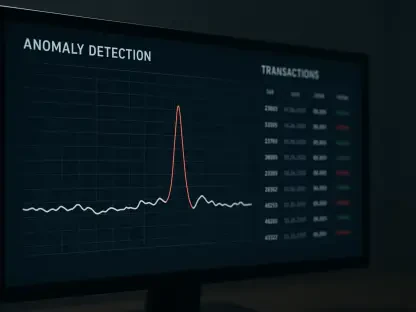
The technical core of this transformation relies on the integration of application programming interfaces between private financial institutions and the state revenue system. Major local players, including platforms like Alif and Dushanbe City, were required to synchronize their ledgers with the national tax gateway to ensure real-time reporting of commercial exchanges. This automation effectively removed the human element of tax assessment, which previously acted as a bottleneck and a potential source of corruption. As digital wallets became the preferred method for paying utility bills and retail purchases, the state gained unprecedented visibility into the velocity of money. The system automatically flags accounts that exhibit patterns consistent with business operations but are registered as personal profiles. This data-driven approach allowed the government to identify previously untaxed revenue streams without deploying thousands of physical inspectors to the streets. The transition demonstrated that algorithmic oversight could provide a more equitable distribution of the tax burden by capturing the actual economic activity of high-volume digital traders.
Beyond mere monitoring, the government implemented specific incentives to encourage the adoption of legal digital pathways over traditional paper-based transactions. Retailers who adopted QR-code payment systems benefited from lower initial reporting requirements, while consumers received small tax rebates for using registered electronic platforms. This shift notably affected the massive informal workforce, ranging from freelance laborers to micro-entrepreneurs operating in local markets. By digitizing these interactions, the state began to integrate these individuals into the formal social security net, providing a pathway to credit and insurance that was previously unavailable. However, the move also faced pushback from those concerned about privacy and the sudden increase in operational costs for small-scale merchants. To mitigate these concerns, the 2026 digital tax framework included tiered rates that protected micro-enterprises while focusing on larger wholesale distributors. This strategic segmentation was essential for maintaining public trust while simultaneously pursuing the goal of comprehensive financial documentation and modernized governance throughout the various regions of the country.
Navigating the Challenges: From Policy to Implementation
The transition to a fully digital tax regime required more than just legislative changes; it necessitated a massive overhaul of the domestic telecommunications infrastructure. In many rural areas of Tajikistan, inconsistent internet access initially hindered the effective deployment of real-time fiscal reporting tools. Recognizing this gap, the government prioritized the expansion of fiber-optic networks and high-speed mobile data as part of its economic modernization agenda. This infrastructural push allowed financial technology companies to offer services to remote communities, thereby widening the tax base significantly. Educational campaigns were also launched to teach small business owners how to navigate the new digital accounting software, which became mandatory for those exceeding certain revenue thresholds. These efforts were designed to reduce the friction of compliance and ensure that the digital tax did not inadvertently stifle entrepreneurial growth. The collaboration between the Ministry of Finance and private tech developers became a cornerstone of this policy, fostering an environment where innovation and regulation could coexist. The resulting ecosystem provided a more stable foundation for the national economy.
The implementation of the digital tax framework provided a clear roadmap for other emerging economies seeking to modernize their fiscal policies. Authorities successfully bridged the gap between the informal bazaar culture and a structured digital economy by focusing on user-friendly technology and transparent data management. Financial institutions acted as the primary intermediaries, ensuring that compliance became a seamless part of the user experience rather than a cumbersome administrative hurdle. This strategy effectively reduced the shadow economy’s share of the national GDP, creating a more predictable revenue stream for public infrastructure projects and social services. Stakeholders observed that the key to success lay in the gradual introduction of these measures, which allowed the market to adjust to new reporting standards without triggering a mass return to cash. Moving forward, the focus shifted toward refining the security of the tax gateway to protect sensitive financial data from cyber threats. The experience showed that integrating technology into the very fabric of the tax code was the only viable method for achieving long-term economic transparency and sustainable fiscal health in a rapidly evolving global marketplace.