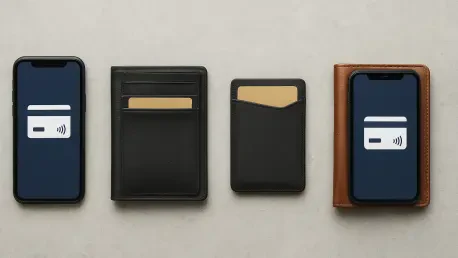

Retailers that ignore the shift toward mobile-first payment gateways are effectively opting out of a future economy defined by Gen Z’s massive purchasing power. In the competitive world of e-commerce, the checkout page has become the ultimate testing ground for brand loyalty. While retailers invest heavily in marketing and product development, a critical disconnect at the final stage of the customer journey is causing a spike in cart abandonment. This phenomenon occurs when a shopper selects their items but exits the site because their preferred payment method is missing. For younger demographics, the absence of a digital wallet is no longer a minor inconvenience; it is a definitive dealbreaker that results in immediate financial losses. The modern marketplace demands a seamless transition from browsing to buying, yet legacy systems often fail to bridge the gap between selection and settlement. This leads to millions in unrealized revenue as consumers migrate to platforms that offer frictionless ways to complete their orders.
The Growing Generational Divide in Payment Habits
The disparity in how different age groups handle the checkout process highlights a significant shift in consumer expectations. Generation Z leads the charge in demanding digital-first solutions, with 36% of these shoppers reporting they abandoned a purchase in the last month simply because they could not use their preferred payment method. This rate is nearly double the national average and stands in stark contrast to older generations. Baby Boomers and Gen X consumers remain much more willing to manually enter credit card details, whereas nearly 40 million Gen Z and Millennial shoppers combined walked away from intended purchases due to payment friction. This friction creates a psychological barrier that transforms a positive shopping experience into a source of frustration, prompting users to seek more agile competitors. As older consumers adopt mobile habits, the window for merchants to offer traditional-only checkout options is closing rapidly across all retail sectors.
The behavior of younger consumers suggests that convenience is no longer a luxury but a fundamental requirement for engagement. Gen Z individuals, who grew up with smartphones as their primary interface with the world, view the manual entry of sixteen-digit card numbers as an archaic and insecure practice. They prioritize speed and biometric authentication, which digital wallets provide through simple facial recognition or fingerprint scans. When a merchant fails to offer these integrations, it signals to the shopper that the brand is out of touch with contemporary technological standards. Consequently, the act of abandoning a cart becomes a form of consumer feedback, indicating that the merchant infrastructure is an obstacle to the transaction. For businesses, this means that even the most compelling product catalogs cannot overcome the hurdle of a clumsy checkout process that disregards the intuitive needs of a generation that values their time and ease above all else.
Measuring the Unstoppable Momentum of Digital Wallet Adoption
Digital wallets like Apple Pay and Google Pay are moving from a tech-savvy alternative to the primary standard for global exchange. Projections indicate that in 2026 and moving toward 2028, these tools will facilitate 40% of all online transactions, with total spending in the United States expected to hit $4.1 trillion by 2030. As digital natives, Gen Z is the primary driver of this trend, with nearly half of the cohort already using digital wallets for their monthly shopping. For retailers, failing to integrate these gateways is becoming a strategic error that effectively shuts out the most powerful consumer block of the current decade. The infrastructure of global finance is being rebuilt around mobile-first protocols, and the rapid adoption of these systems by major banks suggests that the transition is nearing total market saturation. Businesses must recognize that the digital wallet is the new wallet, regardless of the specific retail niche or the size of the enterprise.
The economic influence of this payment shift extends beyond mere convenience into the realm of data security and consumer trust. Digital wallets employ tokenization technology, which ensures that sensitive card information is never shared directly with the merchant, reducing the risk of data breaches. This security feature is a major selling point for younger shoppers who are acutely aware of cybersecurity threats. Moreover, the integration of loyalty programs and digital receipts within these wallet ecosystems creates a more holistic shopping experience. As we look at the progress from 2026 toward the end of the decade, the merchants who have successfully implemented these features are seeing higher conversion rates and increased customer lifetime value. The transition to a wallet-first economy is not just about the transaction; it is about building a secure, integrated relationship between the brand and the buyer that begins and ends with the convenience of a mobile device.
Implementing Proven Strategies for Transactional Success
Leading organizations recognized the shift in consumer sentiment and acted decisively to overhaul their payment architectures. They integrated diverse digital wallet options and found that reducing the number of steps in the checkout process led to an immediate decrease in cart abandonment rates. These successful retailers treated the payment stage not as a back-end utility, but as a critical component of the brand experience. By adopting a mobile-first philosophy, they captured a larger share of the Gen Z market and established themselves as forward-thinking leaders in the e-commerce space. The data showed that merchants who offered at least three different digital payment methods saw a 20% higher retention rate compared to those who relied on traditional gateways. These brands effectively bridged the gap between consumer desire and financial execution, ensuring that the momentum of the shopping journey remained uninterrupted until the final confirmation was received.
The evolution of Buy Now, Pay Later services within digital wallets further transformed the landscape of retail finance. Savvy businesses leveraged these tools to offer flexible credit options, which directly addressed the cash-flow concerns of younger workers living paycheck to paycheck. By embedding services like PayPal installments or Klarna into the checkout flow, retailers successfully removed the final financial barriers to purchase. This proactive approach allowed companies to maintain high conversion rates even during periods of economic uncertainty. Looking ahead from the progress made since 2026, the industry moved toward a model where payment flexibility became the cornerstone of customer service. Retailers that prioritized these integrations secured their position in the market by aligning their operations with the economic realities and technical preferences of their primary audience. These strategic shifts ensured that brand loyalty was built on the foundation of a frictionless transaction.