
The digital landscape has shifted toward a decentralized model where financial autonomy hinges entirely on one’s ability to manage cryptographic credentials with absolute precision. Understanding that a cryptocurrency wallet acts as a sophisticated keychain rather than a physical vault is the first step toward securing digital wealth in the modern economy. Unlike traditional banking systems that offer centralized recovery options, the world of decentralized finance places the full burden of security and maintenance on the individual user. This responsibility starts with selecting the right type of interface, whether it be a software-based application for daily transactions or a specialized hardware device for long-term cold storage. Every interaction with a blockchain network relies on private keys, which are essentially complex passwords that authorize the movement of funds from one public address to another. Failing to protect these keys can lead to irreversible losses, making the initial setup phase the most critical moment in any investor’s journey through the digital asset markets.
1. General Wallet Setup Process: Choosing and Initializing Your Device
The process begins with a strategic choice between convenience and maximum security, requiring users to evaluate their specific needs for accessibility and risk tolerance. Software wallets, often referred to as hot wallets, are applications that reside on smartphones or desktop computers, offering quick access for frequent trading or payments. In contrast, hardware wallets provide an offline environment that shields private keys from internet-based vulnerabilities, making them the gold standard for significant holdings. Once the category is selected, obtaining the software or physical unit must be done exclusively through official channels to prevent the risk of pre-installed malware or tampered hardware. Following the acquisition, the initialization phase involves installing the application or connecting the device to a secure terminal. This step is followed by the creation of a local PIN or password, which serves as a basic layer of protection to lock the wallet on the specific device being used, ensuring that unauthorized physical access does not lead to compromise.
After the initial local security is established, the system generates a master recovery key, commonly known as a seed phrase, consisting of twelve or twenty-four unique words. This sequence is the most vital component of the setup because it allows the owner to regain access to their funds if the original device is lost, stolen, or destroyed. It is imperative to document these words on a physical medium, such as paper or metal, and store them in a secure offline location rather than taking a screenshot or saving them in a digital file. To ensure accuracy, the wallet interface typically requires the user to re-enter the words in the exact order they were presented, confirming that the backup is viable. Once this verification is complete, the wallet is officially active, displaying a zero balance and a unique public address. This address functions much like an account number, allowing the user to receive funds from exchanges or other individuals while the private keys remain hidden behind the security layers.
2. Setting up a Mobile Software Wallet: Managing Assets on Your Smartphone
Mobile wallets like Coinbase Wallet offer a streamlined entry point for those seeking a balance between functionality and ease of use on their mobile devices. The setup starts by navigating to the official Apple App Store or Google Play Store to download the correct application, being careful to distinguish between the noncustodial wallet and the centralized exchange app. Upon opening the application, the user selects the option to create a new wallet profile, which generally does not require providing sensitive personal information like an email address or physical identity. This lack of centralized data collection reinforces the private nature of self-custody, though it also emphasizes that the user is the sole party responsible for the account’s safety. During this phase, a strong password must be created to protect the application itself from unauthorized entry if the phone is ever left unlocked. This password acts as the first line of defense before the deeper layers of cryptographic security are engaged.
Once the basic profile is created, the app displays the recovery phrase, which the user must record with extreme care since no customer support team can recover it if it is lost. After the 12-word phrase is safely stored offline, the application often offers the ability to integrate biometric security features such as facial recognition or fingerprint scanning. Enabling these options provides a significant boost to security by requiring a physical biometric match for every transaction or app launch, effectively preventing digital intruders from accessing the wallet remotely. Building on this foundation, the mobile environment allows for the instant generation of public addresses for various supported blockchain networks. Users can then customize their experience by adding specific tokens or connecting to decentralized applications directly through the built-in browser. This setup ensures that the mobile device remains a powerful tool for participating in the digital economy while maintaining the core principles of noncustodial ownership.
3. Setting up a Physical Hardware Wallet: Establishing Cold Storage Security
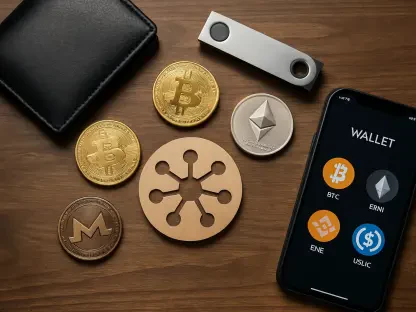
For individuals looking to safeguard significant quantities of digital assets, a hardware wallet like a Ledger device provides an essential layer of physical security. The journey begins with purchasing the unit directly from the manufacturer’s website to ensure the integrity of the hardware and avoid the risks associated with third-party resellers. Upon receiving the device, the next step involves downloading the official companion management software on a computer or smartphone to facilitate communication between the user interface and the hardware unit. Connecting the device via a secure USB cable or an encrypted Bluetooth connection allows the user to begin the configuration process, which is handled largely on the device itself. One of the first requirements is setting a numerical PIN code using the physical buttons on the hardware unit. This PIN ensures that even if the physical device is stolen, the thief cannot access the stored keys without the specific code, providing a critical barrier against unauthorized use.
The most crucial moment occurs when the device generates a 24-word recovery string on its small screen, necessitating that the user write down each word on a physical recovery card. Because this phrase is generated entirely offline, it is never exposed to the internet, drastically reducing the risk of a remote hack. After confirming the phrase, the user must use the management software to install specific applications for the different cryptocurrencies they intend to hold, such as Bitcoin or Ethereum. Each application allows the device to interact with its respective blockchain and generate a unique public address for receiving funds. By creating these individual accounts within the management interface, the user can organize their portfolio and view their holdings without exposing their private keys to the connected computer. This architectural separation ensures that even if the computer is infected with malware, the hardware device remains an isolated environment where transactions are authorized by the user.
4. Moving Assets into Your Wallet: Executing Secure Transfers
Transferring digital assets from a centralized exchange or another wallet to a newly established self-custody wallet requires a high degree of precision and attention to detail. The process begins by navigating to the “Receive” section of the new wallet to locate the public address, which appears as a complex string of alphanumeric characters. It is essential to use the copy-and-paste function or scan a provided QR code rather than attempting to type the address manually, as a single character error will result in the permanent loss of the funds. Furthermore, one must verify that the address corresponds to the correct blockchain network; for example, sending Bitcoin to an Ethereum address is a common mistake that often cannot be reversed. Different networks may have varying address formats, such as those starting with “bc1” for modern Bitcoin segments. Ensuring that both the asset and the network type are a perfect match is the most effective way to prevent technical errors during the initial stages.
Once the destination address is confirmed and copied, the user must return to the source where the funds are currently held, such as a trading platform or a different software wallet. In the “Send” or “Withdraw” menu, the user pastes the copied address and specifies the amount to be transferred, taking care to review any network fees that will be deducted from the total. After initiating the withdrawal, the transaction is broadcast to the blockchain, where it must be validated by miners or validators before it appears in the new balance. This validation period can range from a few minutes to half an hour depending on the network’s current congestion levels and the specific protocol being used. Monitoring the transaction’s progress through a blockchain explorer provides transparency and confirmation that the move is proceeding as expected. Finally, once the network reaches the required number of confirmations, the assets will appear in the new wallet dashboard, marking the successful transition to the user’s private custody.
5. Best Practices for Maintaining Security: Long-Term Asset Protection
Maintaining the security of a cryptocurrency wallet is an ongoing commitment that extends far beyond the initial setup and the first few transfers of digital capital. The most fundamental rule involves protecting the recovery phrase by storing it in multiple physical locations that are safe from environmental damage like fire or water. It is equally important to maintain a strict “offline-only” policy for these words, meaning they should never be typed into a computer or shared via messaging apps. Furthermore, users should adopt multi-factor authentication for any accounts associated with their digital assets, utilizing app-based authenticators rather than SMS-based codes to mitigate the risk of SIM-swapping attacks. Staying vigilant against phishing scams is another critical component, as malicious actors often create fake websites designed to trick users into revealing their private keys. Recognizing that legitimate wallet providers will never ask for a recovery phrase is a vital defense against these tactics.
Regularly updating the wallet software and the device firmware is necessary to ensure that the latest security patches and performance improvements are active. These updates often address newly discovered vulnerabilities or integrate better protocols for transaction privacy, so checking for official releases from the manufacturer website is a proactive security measure. For those managing substantial wealth, diversifying holdings across multiple hardware devices or using multi-signature wallets can provide additional layers of redundancy. This strategy ensures that even if one device or location is compromised, the majority of the assets remain secure and inaccessible to unauthorized parties. Looking ahead, the focus shifted toward integrating programmable security features and decentralized recovery solutions that reduce the risk of a single point of failure. By combining hardware isolation with rigorous operational habits, participants in the decentralized economy established a robust framework for preserving their financial sovereignty.