
Global commerce currently operates at a speed that traditional correspondent banking networks struggle to match, leaving modern enterprises with the daunting task of reconciling thousands of transactions across dozens of international jurisdictions. For years, the lack of synchronization between disparate local bank accounts forced finance teams to spend weeks closing their books at the end of each month, often relying on incomplete or lagging data. Airwallex emerged as a solution to this fragmentation by providing a proprietary infrastructure that bridges the gap between local payment rails and global reporting standards. By utilizing virtual multi-currency accounts, businesses now bypass the delays inherent in legacy systems, allowing for a single source of truth in financial data. This evolution represents a fundamental shift in how treasury departments view liquidity. Instead of reactive reporting, companies are transitioning toward proactive management where every dollar is accounted for the moment it moves across a border.
Infrastructure Integration: The Key to Unified Ledgers
Synchronizing Real-Time Data with Cloud Accounting
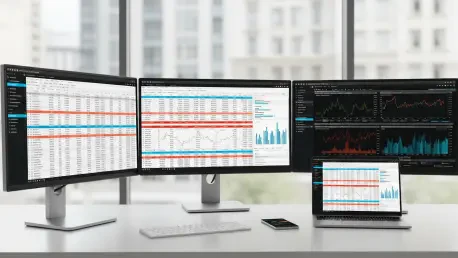
Modern financial reporting requires a level of precision that manual data entry can no longer sustain in a high-volume digital economy. Airwallex addresses this by offering deep integrations with major cloud-based accounting software such as NetSuite or Xero, ensuring that every transaction is categorized and synced instantly. When a payment is received in a local currency through a virtual account, the platform automatically maps the transaction data to the corresponding general ledger in the primary reporting currency. This automation removes the risk of human error and significantly reduces the labor costs associated with traditional bank reconciliations. Furthermore, the ability to capture detailed metadata for each transaction allows finance teams to generate granular reports that reflect the true cost of doing business in specific regions. By eliminating the friction between payment execution and financial recording, the platform transforms the accounting function into a strategic asset.
Leveraging Virtual Accounts for Regional Transparency
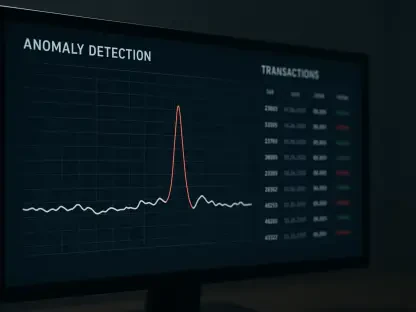
Transparency in global reporting is often obscured by the complex web of intermediary banks that charge hidden fees and delay funds. By providing local account details in over sixty countries, Airwallex enables businesses to collect and hold funds as if they were a local entity, which drastically simplifies the reporting landscape. Each virtual account acts as a dedicated node in the financial ecosystem, providing clear visibility into regional performance without the need for physical branch visits or extensive documentation. This structure allows CFOs to monitor cash flows across various international markets from a centralized dashboard, identifying trends and anomalies before they impact the bottom line. The granular visibility provided by these accounts ensures that regional tax obligations and regulatory requirements are met with precise documentation. As a result, the reporting process becomes standardized across the entire organization, regardless of where specific business units are located.
Optimized Liquidity: From Reactive to Proactive Reporting
Minimizing Conversion Risk and Operational Drag
Currency volatility remains one of the most significant challenges for companies reporting international earnings, often leading to unpredictable swings in revenue. Airwallex mitigates this risk by allowing users to hold balances in multiple currencies and choose the optimal time for conversion based on market conditions or internal hedging strategies. This capability changes the nature of financial reporting from a retrospective look at realized losses to a forward-thinking management of FX exposure. By accessing interbank exchange rates directly through the platform, organizations can lock in favorable pricing and report more stable margins to their investors. The reduction in operational drag is particularly evident during the month-end close, where automated FX calculations replace the tedious manual spreadsheets previously required to account for currency fluctuations. This shift not only improves the speed of the reporting cycle but also enhances the reliability of the data presented to the board.
Strategic Implementation: The Evolution of Digital Treasury Management
Organizations that embraced these integrated financial technologies successfully moved beyond the limitations of traditional banking to achieve a seamless reporting environment. The transition necessitated a thorough audit of existing workflows to identify where manual interventions were causing the most significant delays in data processing. Leaders prioritized the implementation of API-driven solutions that could communicate directly with internal systems, ensuring that financial data remained fluid and accessible across all departments. This proactive stance allowed companies to refine their treasury policies and adopt more sophisticated risk management frameworks that accounted for real-time market shifts. Future considerations focused on the continued expansion of automated compliance features and the integration of advanced predictive analytics to further sharpen reporting accuracy. By investing in a unified financial infrastructure, businesses secured a competitive advantage through increased agility.