
The landscape of digital finance has shifted dramatically as the XRP Ledger evolved into a backbone for institutional and retail transactions, necessitating a more sophisticated approach to asset management than ever before. With the integration of advanced features such as automated market makers and native decentralized exchanges, the era of relying on generic multi-chain wallets is rapidly coming to an end. Holders now demand specialized tools that do not merely store tokens but actively participate in the ecosystem’s complex financial protocols. This transition highlights a fundamental change in user behavior, where the priority is no longer just about price speculation but about leveraging the unique technical capabilities of the XRPL. Selecting a self-custody solution requires a deep understanding of how these platforms interact with the ledger’s underlying architecture to ensure that every transaction is both secure and efficient. This focus on specialized utility ensures that users can maximize their influence within the network while keeping their private keys under absolute personal control.
Evolving Standards: Evaluating Modern Digital Asset Security
The evaluation of these platforms is based on five core pillars: feature depth, ecosystem role, ease of use, security track record, and active maintenance. A wallet’s ability to manage advanced functions like escrows, trust lines, and multi-signing is now considered just as vital as its user interface design. Furthermore, consistent developer engagement remains a non-negotiable benchmark because any software lacking recent security updates presents an unacceptable risk in today’s high-stakes environment. By prioritizing tools that offer native XRPL support rather than broad, shallow compatibility, investors can ensure they have access to the full spectrum of the ledger’s functionality. This methodology ensures that the recommended solutions are not just popular, but are technically robust enough to withstand the evolving threats and complexities of the digital asset landscape. Providing a safe harbor for assets requires constant vigilance and a commitment to technical excellence from both the developers and the users.
Xaman, the platform formerly known as Xumm, continues to represent the gold standard for the XRPL ecosystem with nearly a million installs and over seven hundred thousand active users. Developed by XRPL Labs, it functions as the primary hub for mini-applications known as xApps, which allow users to interact with various services directly within the wallet’s interface. Its security model is built on on-device encryption and biometric protection, which has allowed the platform to maintain a perfect safety record without a single breach of user keys since its inception. The wallet’s commitment to providing a first-class experience for the ledger means that it often receives updates for new network features long before its competitors. For many, Xaman is more than just a wallet; it is an essential operating system for the XRP Ledger that bridges the gap between simple asset holding and active financial participation. This level of specialization makes it an indispensable tool for anyone serious about managing their digital wealth with precision.
Hardware and Finance: The Rise of Specialized Storage Solutions
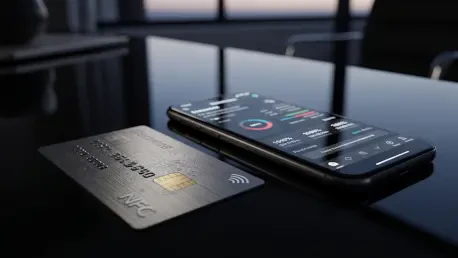
For those who prioritize long-term cold storage over daily transactional frequency, Tangem has emerged as the premier hardware specialist by offering a unique form factor. Instead of traditional devices that require batteries and cables, Tangem uses credit-card-sized NFC cards that interface directly with a smartphone to sign transactions. The current generation of Xaman-branded Tangem cards is highly sought after because they feature firmware optimized specifically for the XRPL and utilize EAL6+ secure chips, which are among the highest security ratings available. This seedless setup provides a robust backup system that effectively removes the anxiety of managing a physical seed phrase, which has historically been a significant barrier to entry for many users. By requiring the physical presence of the card and a biometric check, Tangem offers a layer of security that is nearly impossible for remote attackers to bypass. This evolution in hardware design represents a major step forward in making institutional-grade security accessible to everyone.
Bifrost Wallet occupies a specialized niche as the primary gateway for what is now commonly referred to as XRPFi, connecting users to diverse decentralized finance opportunities on the Flare Network. It currently stands as the leading tool for minting FXRP and staking assets to earn yields, effectively bridging the gap between the XRPL and external yield-bearing protocols. Despite being a multi-chain wallet, its deep integration with the XRP Toolkit and rigorous security audits from reputable firms like Cure53 make it an essential tool for active investors. The ability to participate in cross-chain governance and liquid staking while maintaining self-custody is a significant advantage for those looking to grow their holdings. Bifrost’s interface is designed to simplify complex DeFi operations, making it easier for users to track their rewards and manage their positions across different networks. As the demand for interoperability grows, the role of wallets that can securely handle multi-chain interactions becomes increasingly important for success.
Strategic Implementation: Establishing Multi-Layered Security Protocols
A newer and highly successful entry to the market is Joey Wallet, which has gained rapid popularity by focusing on a frictionless, mobile-first experience for users who find legacy wallets too technical. It utilizes Multi-Party Computation, often abbreviated as MPC, along with social login recovery through Web3Auth to solve the common fear of losing access due to a lost or stolen seed phrase. By splitting the private key into multiple parts, Joey ensures that no single point of failure exists, providing a safety net that traditional wallets lack. This innovation has coincided with a significant decline in the use of browser-based extensions, as many once-popular options have fallen behind on critical security patches. Advanced users have instead adopted a stack approach to their security, using mobile-first wallets for daily transactions while keeping their main savings on physical hardware cards. This shift reflects a broader flight to quality in the digital asset security market as users become more sophisticated during 2026.
The transition toward specialized self-custody was ultimately driven by a collective realization that generic solutions could no longer keep pace with the rapid innovation on the XRPL. To achieve optimal results, the most effective strategy involved a tiered approach to custody that matched the specific use case of each asset portion. Users benefited most when they separated their liquidity into hot and cold segments, utilizing the advanced features of Xaman for daily interactions while reserving Tangem for long-term holds. It was also critical to regularly audit trust lines and delegated permissions to ensure that no unnecessary risks were lingering in the account history. Staying informed about protocol upgrades like new AMM features or sidechain integrations became a requirement for maintaining an edge as the industry moved toward 2027. Investing time in learning how to use these specialized tools properly provided a significant advantage in both security and financial flexibility for all participants.