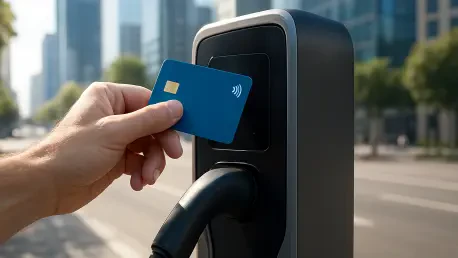

Transitioning to a tap-to-pay model eliminates the misalignment between advanced hardware capabilities and the cumbersome software requirements of legacy charging systems. As the automotive industry hits a critical mass of electric vehicle adoption, the infrastructure supporting these cars is undergoing a massive transformation in how it facilitates financial transactions. In the early stages of the market, proprietary applications and brand-specific RFID cards dominated the landscape, effectively walling off charging networks into private clubs. Today, however, the demand for a democratized energy grid has pushed manufacturers and operators toward open-access solutions. This shift is not just about convenience; it is about ensuring that the transition to sustainable transport is not choked by digital bureaucracy. By adopting contactless payment standards, the industry is finally aligning the act of refueling an electric car with the universal ease of modern retail, creating a seamless experience for a new generation of drivers.
Streamlining Digital Interactions and Hardware Efficiency
For many years, the primary barrier to spontaneous public charging was the app fatigue associated with dozens of fragmented networks. A driver arriving at a remote station with a low battery often faced the frustrating requirement of downloading a 50MB application, creating a secure account, and pre-loading a digital wallet with a minimum balance before a single kilowatt could be delivered. In areas with poor cellular reception or during inclement weather, this process becomes more than an inconvenience; it becomes a genuine safety concern. Contactless payment systems, which utilize Near Field Communication technology to accept credit cards and mobile wallets, bypass these hurdles entirely. By removing the need for manual data entry and pre-registration, these systems reduce the time spent at the terminal and eliminate the risk of transaction failure due to software glitches or connectivity issues. This streamlined interaction is vital for maintaining high turnover rates at busy stations.
The technical necessity for faster payment methods is further underscored by the rapid advancements in charging hardware. High-power DC fast chargers are now capable of delivering an 80 percent charge in approximately fifteen minutes, drastically changing the psychological expectations of the user. There is a profound logical disconnect when a driver can replenish their vehicle range in a quarter of an hour but must spend ten minutes navigating a digital registration process just to initiate the session. As the physical charging process accelerates, the administrative overhead must scale downward to match. Contactless payment is the only mechanism currently available that offers the near-instantaneous handshake required to complement high-speed hardware. Without this synergy between software and hardware, the massive capital investments being made into ultra-fast charging stations are undermined by the inefficiency of legacy payment models that favor data harvesting over user speed.
Facilitating Universal Access Through Infrastructure Interoperability
As public charging networks proliferate across federal highways and popular tourist corridors from 2026 to 2028, drivers are increasingly traveling far beyond the reach of their local home networks. It is no longer realistic to expect a traveler to maintain active accounts for every regional provider they might encounter on a long-distance journey. This geographic expansion necessitates a universal language for financial transactions that transcends corporate silos and regional borders. Contactless payment provides this universality, allowing a driver from one state to utilize a charger in another without any prior preparation or specialized software. This level of interoperability is particularly essential for the success of highway rest stops and long-haul transport routes where users are often in transit and unlikely to return to the same specific brand of charger frequently. By providing a standard point of entry, operators can ensure their equipment remains a viable resource for all travelers.
Beyond highway transit, the integration of tap-to-pay functionality is transforming the role of EV charging in the retail and hospitality sectors. For a consumer visiting a shopping center or a local cafe, the act of charging their vehicle should be a secondary convenience that is as effortless as buying a cup of coffee. When retail locations implement contactless systems, they remove the cognitive load associated with specialized charging memberships, making the service more attractive to casual users. This approach is also critical for accommodating international tourists and visitors who may not have access to local app stores or regional payment platforms. By aligning the charging experience with the standard global payment protocols found in supermarkets and boutiques, the industry is successfully rebranding electric mobility as a ubiquitous public utility. This normalization of the payment process is a key step in removing the fear of the unknown for those making the switch.
Adapting to the Needs of a Broadening User Base
The demographic profile of the average electric vehicle owner is shifting significantly as the market moves from tech-savvy early adopters to the general public. This new wave of drivers includes individuals who prioritize utility and reliability over digital novelty, such as busy parents, retirees, and professional fleet operators. These users are often less willing to navigate complex smartphone interfaces or troubleshoot connectivity issues during their daily commutes. To maximize the return on investment for a charging site, operators must prioritize a high conversion rate, which is only possible when the payment barrier is lowered. Contactless systems cater directly to this broader audience by offering the security and familiarity of a physical plastic card alongside the speed of mobile wallets. By providing a range of recognizable payment options, operators ensure that their stations remain accessible to all citizens, regardless of their technical proficiency or digital preferences.
From a strategic standpoint, the adoption of contactless payment also addresses the specific requirements of commercial fleet management and enterprise logistics. Fleet drivers, who may be operating multiple vehicles across different shifts, need a payment method that is easily trackable and does not require them to manage individual personal accounts on their mobile devices. Standardized payment terminals allow for streamlined billing and easier expense reconciliation for corporate entities, making the transition to electric fleets more attractive for large businesses. Furthermore, these systems provide operators with more robust transaction data and smoother backend integration with traditional financial institutions. By reducing the labor-intensive nature of proprietary account management, station owners can lower their operational costs while providing a more professional and reliable service. This focus on operational efficiency is essential for the long-term sustainability of the infrastructure.
Strengthening Reliability and Long-Term Network Viability
The final and perhaps most sensitive touchpoint in the driver journey is the exchange of value, where the transaction is finalized and power begins to flow. When a driver can simply tap a card and see the charger initiate immediately, the experience reinforces a sense of professionalism and trust in the brand. Conversely, a failure at the point of payment—whether due to a glitchy app, a forgotten password, or a registration error—creates a lasting negative impression that can lead to permanent charger abandonment. Contactless technology facilitates what is often called invisible technology, where the underlying financial complexity is handled so efficiently that the user barely registers the interaction. This reliability is the foundation of brand loyalty in the modern era; drivers will return to the networks that respect their time and provide the most consistent results. As the charging ecosystem matures, the focus must remain on perfecting these micro-interactions to build consumer confidence.
Looking back at the historical progress of the industry, it became evident that the transition to contactless standards was the only viable path for large-scale infrastructure growth. Operators who embraced the tap-to-pay model noticed a marked increase in station utilization rates and reported fewer customer service interventions related to payment disputes. The implementation of these systems allowed for a more resilient network that functioned independently of specific software ecosystems or smartphone dependencies. Moving forward, the industry should prioritize the retrofitting of older stations to meet these modern standards and ensure that all new installations feature integrated, secure payment terminals. By focusing on these actionable hardware upgrades, the sector will successfully eliminate the final barriers to widespread electric vehicle adoption. The goal for the coming years remains the complete normalization of the charging experience, ensuring that accessing power is as predictable as any other transaction.