
The recent strategic shift by Block to incorporate USD Coin into the Cash App ecosystem marks a significant departure from Jack Dorsey’s long-standing philosophy that prioritized Bitcoin as the sole currency of the internet. For years, the leadership at Block maintained a laser focus on the premier cryptocurrency, viewing it as the only viable decentralized monetary network capable of global scale. However, the rapidly evolving landscape of digital finance has forced a pragmatic re-evaluation of how users interact with their money on a daily basis. By introducing a stablecoin like USDC, the company is bridging the gap between volatile digital assets and the stability of traditional government-issued currencies. This move is not merely a technical update but a calculated effort to increase the total volume of funds held within the app. By providing a stable medium of exchange, Block aims to capture a larger share of the peer-to-peer payment market currently dominated by rivals who have already embraced multi-asset strategies.
1. Transitioning from Bitcoin Maximalism to Pragmatic Utility
The strategy behind adopting USD Coin centers on the idea of stablecoins serving as a more efficient version of traditional dollars rather than a speculative investment. Unlike Bitcoin, which experiences significant price fluctuations, stablecoins maintain a consistent value pegged to the US dollar, making them ideal for everyday commerce and predictable transfers. By positioning USDC as upgraded fiat, the platform allows users to experience the speed and low cost of blockchain technology without the anxiety associated with market volatility. This approach facilitates a smoother transition for individuals who might be hesitant to enter the crypto space but desire the technical advantages it offers. Furthermore, by increasing the utility of the platform, the service becomes more indispensable for those managing complex financial lives. The ultimate goal is to ensure that the application remains a primary hub for all financial activities, whether they involve traditional cash or digital assets.
While the inclusion of USDC might seem like a pivot away from the original mission, it actually serves as a strategic gateway intended to eventually guide users toward the Bitcoin network. The leadership believes that once consumers become comfortable with the mechanics of digital wallets and blockchain transfers through stablecoins, the psychological barrier to adopting Bitcoin will be significantly lowered. This long-term objective remains intact, as the company still views decentralized, non-sovereign currency as the ultimate destination for global finance. However, the current economic reality dictates that most people still think and spend in their local fiat denominations. By meeting users where they are currently comfortable, the app creates a funnel that builds trust and familiarity with the underlying technology. This strategic move also allows for better integration with existing banking infrastructure, as USDC is widely recognized by regulators and financial institutions.
2. Mastering the Process: How to Send and Receive Stablecoins
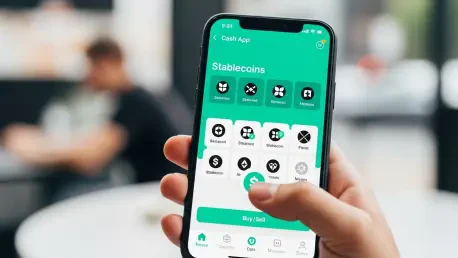
Navigating the new features is designed to be as intuitive as sending a standard payment, ensuring that the technical complexities of blockchain are hidden from the average user. To initiate a transfer, one must first open the payments section within the application, which serves as the central hub for all outgoing transactions. Once there, the user inputs the recipient’s unique digital wallet address into the search field, a process that ensures funds are directed to the correct destination on the blockchain. This step is critical, as it bypasses the need for traditional bank account numbers or routing details, streamlining the entire experience. Finally, the user confirms the transaction by finalizing the payment using their existing US dollar balance, which is converted on the backend to facilitate the move. This seamless integration means that users do not need to pre-purchase stablecoins to participate in the network, as the application handles the heavy lifting of the exchange.
Receiving funds follows a similarly streamlined protocol, allowing users to accept digital assets and see them reflected in their spending balance almost immediately. The user begins by navigating to the Money tab and selecting the specific option to add USDC, which initiates the process of generating a secure deposit path. After this, they must pick a compatible blockchain network for the transaction, such as Solana or Polygon, depending on where the sender is originating the payment. This choice is vital for ensuring compatibility and minimizing potential transaction delays or errors. Once the network is chosen, the application generates a unique wallet address needed to accept the incoming funds safely. After the transfer is completed, the app automatically exchanges the USDC into US dollars, depositing the equivalent value directly into the account balance. This automated conversion eliminates the need for users to manually trade assets, providing them with spendable cash for immediate use.
3. Infrastructure, Competition, and Future Strategic Growth
The technical infrastructure supporting these transactions is robust, utilizing some of the most efficient blockchain networks available today to ensure high speed and low cost. By supporting transfers on networks like Solana, Ethereum, Polygon, and Arbitrum, the platform gives users flexibility and access to diverse ecosystems within the crypto world. Each of these networks offers unique benefits, from the high throughput of Solana to the institutional security of Ethereum’s main layer. Remarkably, sending and receiving USDC through these channels is free of charge, a move that directly challenges the traditional fee structures of wire transfers and international remittances. To keep the user experience as simple as possible, stablecoins are instantly converted to US dollars upon receipt. This design choice ensures that users do not have to worry about the tax implications of holding digital assets or the complexities of managing multiple currency balances, making it a highly attractive option.
The decision to integrate stablecoins represented a pivotal moment for the organization as it sought to balance ideological goals with market demands. By prioritizing user accessibility and functional utility, the platform successfully broadened its appeal to a demographic that had previously been skeptical of digital currencies. This transition highlighted the importance of viewing blockchain not just as a disruptive force, but as a foundational layer for improving existing financial services. Looking ahead, the focus shifted toward deepening the integration between merchant services and consumer wallets to create a frictionless environment for commerce. Future considerations included the potential for more automated financial planning tools that leveraged the transparency of on-chain data to provide personalized advice. Stakeholders were encouraged to monitor the regulatory environment closely, as the widespread adoption of stablecoins likely invited new frameworks for oversight and required proactive compliance.