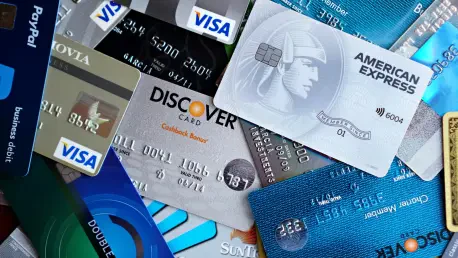

The familiar tactile sensation of plastic cards sliding into chip readers is rapidly becoming a nostalgic memory as smartphones consolidate every financial tool into a single encrypted interface. As the American financial landscape undergoes a historic transformation, the era of the physical wallet is visibly fading. For decades, the culture of swiping and signing defined consumerism across the United States, yet a fundamental shift is currently reshaping the market, driven by the aggressive adoption of digital wallets. Recent industry assessments suggest that by 2030, the reliance on traditional credit and debit cards will reach a definitive tipping point. This transition into a mobile-first economy involves deep demographic shifts, massive economic valuations, and a complex regulatory environment that will decide if plastic cards ultimately become relics of a bygone era.
The Evolution of American Commerce: The Legacy of Plastic
Understanding the current trajectory of the payment market requires a look back at the historical dominance of credit cards within the United States. Unlike several international markets that transitioned almost instantly from cash to advanced digital systems, the U.S. developed a massive and resilient infrastructure around magnetic stripes and EMV chips. This established legacy initially made the transition to digital wallets slower than in global markets where technological leapfrogging occurred. However, the sheer convenience of the smartphone is now successfully challenging this long-standing order. The significance of this background lies in the contrast between traditional financial habits and the modern demand for integrated technology that combines loyalty rewards, digital identity, and secure payment into one seamless interface.
The Shifting Consumer Landscape
Global Adoption: The American Exception
While the United States moves steadily toward a digital future, the nation still lags behind several international benchmarks in terms of total adoption. Globally, digital wallets have already become the dominant force in e-commerce, accounting for more than half of all online transactions. In contrast, the domestic market remains heavily anchored to credit cards, which still command a significant portion of in-store purchases. However, this gap is narrowing at an accelerated pace. In the domestic e-commerce sector, digital wallets have secured a strong market share, signaling that the digital-first mindset is migrating from the web to physical checkout counters. Data indicates that the U.S. is not avoiding the trend, but rather following a distinct, staggered timeline toward total adoption of contactless solutions.
Demographic Catalysts: The Rise of Gen Z
The engine powering this transition is a clear generational shift in spending behavior. Younger cohorts, specifically Gen Z and Millennials, are abandoning physical cards at a much higher rate than older generations. Market research shows that consumers between the ages of 18 and 34 utilize mobile payments for approximately 40% of their online purchases. For these digital natives, the primary requirement is choice and flexibility—a demand for payment systems that offer instant gratification and streamlined security. As these demographics gain more purchasing power leading toward 2030, their preference for mobile-first solutions will naturally force merchants to phase out older hardware in favor of software-based terminals.
Security Paradigms: The Regulatory Patchwork
Despite the growing popularity of mobile payments, the move to digital wallets is not without friction. A significant complexity lies in the varying levels of consumer protection offered by different platform providers. While established financial applications often offer robust fraud monitoring and liability protection, some tech-heavy wallets from major providers have faced scrutiny for having fewer built-in safeguards. This issue is compounded by the patchwork of domestic regulations. Recent legislative shifts, such as the repeal of specific rules intended to bring non-bank digital payment companies under federal supervision, highlight a volatile environment. These regional and political nuances create a landscape where innovation is high, but consumer protection standards remain inconsistent across different platforms.
Future Projections: The $15 Trillion Milestone
As the market looks toward 2030, the momentum of digital payments appears irreversible. Projections suggest that global payment app transaction values will soar from current levels to over $15.6 trillion by the end of the decade. Within the United States, the erosion of physical card market share is expected to continue steadily. In-store digital wallet usage is projected to jump significantly while the share held by physical credit cards slides toward a minority position. Emerging innovations, such as account-to-account transfers and the further integration of flexible credit services within digital wallets, will likely accelerate this decline. The next wave of economic growth will be defined by merchants who can successfully pivot away from legacy plastic and embrace these high-velocity digital ecosystems.
Adapting to a Cardless Economy: Strategies for Success
The transition to a digital-dominant market requires a proactive approach from both commercial enterprises and individual consumers. For merchants, the primary takeaway is the necessity of infrastructure modernization. Businesses that do not accept a wide variety of digital wallets risk alienating the most lucrative demographic of the next decade. Best practices include implementing multi-layered security protocols to mitigate the fraud risks inherent in mobile payments and staying informed on the shifting regulatory landscape. For consumers, the recommended strategy involves practicing rigorous digital hygiene. This includes understanding the specific protections offered by their wallet provider of choice and utilizing two-factor authentication to secure their financial data in an increasingly cardless world.
Conclusion: The Final Countdown for Physical Cards
The journey toward 2030 marked a definitive era of transformation for the financial sector. While the physical credit card did not become entirely extinct, its status as the primary tool of commerce diminished in favor of the versatility and speed of digital wallets. Driven by the demands of a younger generation and supported by a multi-trillion-dollar global infrastructure, the shift functioned as both a cultural evolution and a technological advancement. The marketplace successfully moved toward a future where money became undeniably digital, mobile, and more integrated into daily life. Organizations that prioritized the adoption of these digital ecosystems secured a competitive advantage, while consumers benefited from a more streamlined and flexible transaction environment. The transition ultimately demonstrated that the future of value exchange resided in the cloud rather than in the pocket.