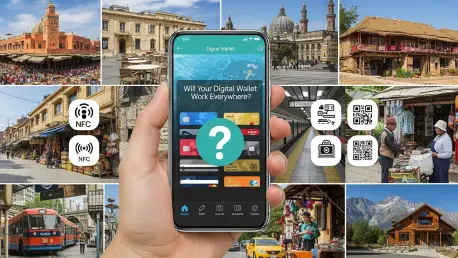

The convenience of a digital wallet, holding everything from payment cards to event tickets, has become an indispensable part of modern life, yet its utility often evaporates the moment a user crosses a border or attempts to pay at a merchant outside its native ecosystem. This fragmentation has long been the primary obstacle preventing digital wallets from achieving the universal acceptance of their plastic predecessors, creating invisible financial walls between countries and even between competing service providers. For the true potential of digital payments to be realized, a fundamental shift is required—one that moves away from siloed networks and toward a globally interoperable standard. A landmark collaboration is now underway to dismantle these barriers, aiming to empower potentially billions of wallet users with the ability to transact seamlessly and securely, no matter where they are in the world, by transforming their mobile devices into universally accepted payment tools.
Forging a Path Toward Universal Interoperability
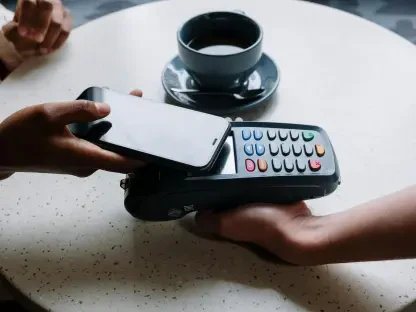
At the heart of this transformative effort is a strategic partnership between Mastercard and TerraPay, a global money movement company, designed to create a universally accepted framework for digital wallet payments. This initiative will enable users of Mastercard’s diverse wallet partners—a group that includes mobile money providers, burgeoning fintech companies, and established banks—to conduct contactless NFC-based payments at over 150 million Mastercard acceptance locations worldwide. The core objective is to achieve true payment interoperability, effectively allowing any partnered digital wallet to “roam” globally. TerraPay is providing the critical technological infrastructure for this integration, leveraging its newly launched Xend platform to facilitate a faster and more streamlined market entry for wallet providers. This collaboration directly addresses the long-standing challenge of closed-loop systems, offering a scalable solution that promises to make secure, borderless transactions a standard feature for digital wallet users everywhere, mirroring the ubiquity of traditional credit and debit cards.
The Evolving Landscape of Consumer Payments
This push for interoperability is not happening in a vacuum; it is a direct response to a massive global shift in consumer behavior toward contactless transactions. According to a 2024 Mastercard report, a staggering 70% of all its in-person transactions are now contactless, a payment method that is not only up to ten times faster than traditional chip-and-PIN or cash payments but is also correlated with higher average spending. While this trend underscores the consumer demand for speed and convenience, the collaboration between Mastercard and TerraPay highlights a deeper, more foundational need: identity interoperability. For a diverse ecosystem of wallets from different providers and countries to function cohesively, a trusted and secure method of verifying user identity is paramount. This partnership serves as a vital case study in building this “identity fabric,” demonstrating how high-assurance authentication can connect disparate financial systems, thereby underpinning the future of both global commerce and verified digital identity in an increasingly connected world.
A Blueprint for Borderless Commerce
The strategic alliance between these financial giants ultimately established a powerful blueprint for the future of global payments. It demonstrated that the technical and logistical hurdles preventing universal wallet acceptance were surmountable through collaborative innovation. More than just a technological achievement, this initiative underscored the critical importance of creating a unified identity framework to support a truly borderless commercial ecosystem. The successful integration proved that a diverse array of mobile money providers, fintechs, and banks could be brought together under a single, secure standard, fostering unprecedented financial inclusion. This effort moved the industry beyond fragmented, regional solutions and laid the groundwork for an era where digital transactions were defined not by their limitations, but by their universal accessibility and security.