
Kofi Ndaikate is a seasoned expert in the fast-evolving Fintech landscape, bringing a wealth of knowledge that spans blockchain, cryptocurrency, and complex regulatory frameworks. His deep understanding of how policy intersects with technological innovation has made him a leading voice in the digital transformation of financial services. With years of experience navigating the intricacies of wealth management operations, Kofi specializes in identifying and solving the structural frictions that hinder advisor productivity and client satisfaction.
In this discussion, we explore the nuances of multi-client architecture and the critical role of data integrity in modern wealth management. We delve into how chronological auditing and mandatory communication loops can streamline compliance, while also examining the technical shifts required to provide clients with real-time portfolio transparency in an increasingly interconnected ecosystem.
Wealth management clients often juggle personal, business, and joint accounts simultaneously. How does a single-identity architecture maintain strict data separation between these mandates, and what specific steps ensure that permissions never overlap when an advisor executes actions across these different contexts?
The beauty of a modern many-to-many relationship model is that it aligns the software with the reality of a client’s life without compromising security. In the past, an entrepreneur might have been forced to maintain three separate logins for their personal, business, and joint accounts, which is a massive administrative headache. By moving to a single-identity architecture, we link one e-banking identity to multiple client relationships, but we keep the underlying data silos ironclad. When an advisor enters a specific “client context” within the platform, the system effectively draws a digital perimeter around that mandate. Every portfolio view, permission set, and execution command is locked into that specific context, ensuring that an action taken for a business account never inadvertently spills over into a personal one. This structural separation is the backbone of trust, allowing for seamless navigation without the risk of data leakage or unauthorized access across different legal entities.
Status changes without documented reasoning often lead to internal email chains or regulatory gaps. What are the practical impacts of mandating chronological, auditable comments for every action, and can you share how this shift reduces the back-and-forth between advisors and operations teams?
When you mandate that every status change must be accompanied by a chronological comment, you are essentially building a living narrative for every financial decision. This eliminates the “detective work” that operations teams usually have to perform when they see a change but don’t understand the “why” behind it. Instead of an advisor sending a separate email or an operations officer having to ping someone for context, the reasoning is baked right into the activity manager. We see this significantly reduce the friction between advisors, owners, and approvers because the full auditable history is visible at a glance. It creates a high level of accountability and ensures that if a regulator ever asks about a specific move, the documentation is already there, perfectly preserved in time. This shift moves the team away from reactive troubleshooting and toward a proactive, transparent workflow.
Clients often link external accounts through service providers, but stale portfolio figures can damage trust. When introducing manual refresh capabilities for these linked accounts, how do you manage user expectations regarding data latency, and what metrics indicate that this feature improves the client-facing experience?
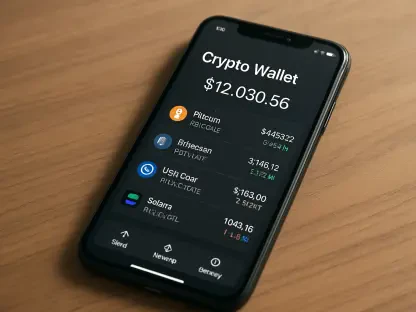
Stale data is a silent killer of client confidence, especially when they see a balance from yesterday while the market is moving today. By introducing a manual refresh button directly on the portfolio and balance views, we give the user a sense of agency over their data. To manage expectations, the interface is designed to be highly communicative: the button disables itself during the data fetch and only reactivates once the numbers are current. If new credentials are required from the external provider, the system prompts the user immediately rather than leaving them in a state of uncertainty. We track the success of this through “time-to-data” metrics and the reduction in support tickets related to data discrepancies. When a client can click a button and see their Trade Republic or external bank figures update in real-time, the perceived value of the entire platform rises because the information feels “live” and reliable.
With thousands of wealth managers using a platform daily, minor technical frictions quickly compound into significant efficiency losses. Beyond simple time savings, how do these types of integrated workflows lower the risk of manual error, and what anecdotal feedback suggests that advisors feel more productive?
When you have over 9,000 wealth managers using a tool like fincite • cios every day, a three-second delay or an extra click isn’t just a nuisance—it’s thousands of lost hours across the industry. Integrated workflows lower the risk of manual error by removing the need for “swivel-chair” operations, where an advisor manually copies data from one system to another. Every time you eliminate a manual entry point, you eliminate a chance for a typo or a miscalculation. Advisors often tell us that the most significant change isn’t just that they are “faster,” but that they feel less “drained” by the end of the day. They no longer have to chase down colleagues for the context of a transaction or struggle with multiple logins. This mental clarity allows them to focus on high-value tasks, like building client relationships, rather than fighting with their software. The feedback is clear: when the tech gets out of the way, the advisor can finally do their job.
What is your forecast for WealthTech?
I believe we are entering an era where the “invisible interface” will become the gold standard for wealth management technology. The industry will move away from complex, fragmented dashboards toward hyper-integrated ecosystems where data flows seamlessly between internal mandates and external providers without any manual intervention. We will see a massive shift toward “context-aware” AI that doesn’t just show data but anticipates the documentation and compliance needs of an advisor before they even ask. For the end client, the expectation will shift from periodic reports to a 24/7, real-time, consolidated view of their entire financial life—personal, business, and joint—all managed under a single, secure identity. The firms that win will be the ones that eliminate every micro-friction, making the technology so smooth that the advisor forgets they are even using a platform.