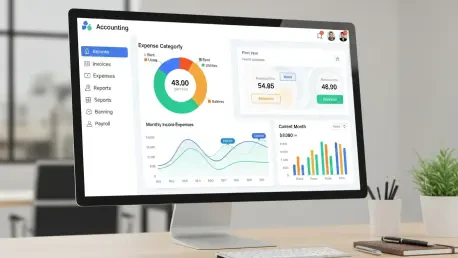

Navigating the complexities of modern financial management requires a transition from traditional manual record-keeping to sophisticated digital systems that offer real-time insights and operational agility. For small business owners in the current market, the reliance on static spreadsheets often leads to administrative bottlenecks and increased risks of data inaccuracies that can hinder long-term growth. The shift toward automated accounting platforms represents a pivotal moment in a company’s lifecycle, moving beyond basic ledger entries to a comprehensive ecosystem of financial intelligence. This evolution is driven by the necessity for precision in tax compliance, cash flow monitoring, and strategic forecasting, which are no longer feasible through manual entry alone. As entrepreneurs evaluate the leading solutions available today, understanding how different platforms cater to specific operational scales and industry requirements becomes essential for maintaining a competitive edge and ensuring financial stability.
Modernizing Financial Workflows Through Automation
The primary transformation in the contemporary bookkeeping landscape is the departure from labor-intensive manual data entry in favor of automated intelligence and synchronized connectivity. Modern accounting platforms utilize advanced bank feeds that automatically import transactions from financial institutions and credit card providers, ensuring that every expense and deposit is captured without human intervention. This foundational shift eliminates the tedious process of reconciling bank statements at the end of the month, as the software maintains a continuous link with the business’s actual capital. By automating these repetitive tasks, business owners can redirect their focus toward high-level strategy and customer engagement while maintaining confidence that their underlying records are accurate and up to date. The integration of artificial intelligence further enhances this process by categorizing transactions based on historical patterns, which significantly reduces the administrative burden on small teams.
Furthermore, the implementation of real-time financial tracking provides a level of visibility into company liquidity that was previously unattainable for most small enterprises. Instead of waiting for quarterly reports to understand profit margins or burn rates, decision-makers can access live dashboards that reflect the current state of their accounts. This immediate access to data is critical for managing working capital, especially when dealing with fluctuating market conditions or unexpected operational costs. When financial records are updated instantaneously, businesses are better positioned to secure financing, manage vendor payments, and optimize their tax strategies throughout the year. The transition to these automated systems also creates a reliable audit trail, as every transaction is linked directly to its source in the banking system, thereby enhancing the overall transparency and accountability of the organization’s financial practices in an increasingly scrutinized regulatory environment.
QuickBooks Online for Scalable Industry Standards
QuickBooks Online has established itself as the preeminent standard for businesses that require a high degree of scalability and deep integration with a wide variety of secondary business tools. The platform serves as a comprehensive financial hub, offering an extensive library of over seven hundred and fifty third-party application integrations that allow for seamless data flow between e-commerce sites, point-of-sale systems, and payroll providers. This level of interoperability is particularly beneficial for growing enterprises that utilize specialized software for different departments, as it prevents the formation of data silos and ensures that the general ledger remains the single source of truth. The ability to customize the software through these integrations means that as a business expands into new markets or adds complex revenue streams, the accounting infrastructure can be adjusted to accommodate those changes without requiring a complete system overhaul.
In addition to its technical versatility, the platform is designed to facilitate professional collaboration by supporting up to twenty-five unique users on its more advanced tiers. This functionality is essential for organizations that have outgrown solo operations and now require dedicated internal accounting staff or wish to grant real-time access to external tax professionals and auditors. The software provides granular control over user permissions, ensuring that sensitive financial data is only accessible to authorized personnel while still allowing team members to perform necessary tasks like invoicing or expense tracking. Beyond simple bookkeeping, the system offers advanced features such as project profitability analysis, inventory management, and automated mileage tracking, effectively bridging the gap between basic accounting tools and full-scale enterprise resource planning software. This makes it a formidable choice for businesses that prioritize a robust and professional financial framework.
Xero for Collaborative and International Teams
Xero has built a significant global presence by championing a cloud-first philosophy that emphasizes transparency and cost-effective collaboration for modern teams. A defining characteristic of this platform is its commitment to providing unlimited user access across all of its subscription levels, which contrasts sharply with the per-seat pricing models used by many other providers in the industry. This approach encourages a culture of financial awareness within an organization, allowing stakeholders from various departments to view relevant financial metrics without incurring additional overhead. For startups and mid-sized companies that value a collaborative environment, this feature ensures that everyone from project managers to executives can stay informed about the company’s fiscal health. The interface is designed to be intuitive and accessible, reducing the technical barriers that often prevent non-accounting staff from engaging with financial data effectively.
For businesses that operate on an international scale, the platform provides sophisticated tools for managing multi-currency transactions and complex tax requirements across different jurisdictions. The software automatically updates exchange rates in real-time, allowing users to send invoices and receive payments in various currencies while maintaining an accurate view of their gains and losses in their primary reporting currency. This automation is vital for companies engaged in cross-border e-commerce or those that employ a distributed global workforce. Even at the more accessible entry points, the system includes built-in features for receipt capturing and automated sales tax calculations, which help to streamline the administrative processes involved in international trade. By focusing on a clean, cloud-based experience, the platform enables business owners to manage their finances from any location, fostering the flexibility needed to thrive in a decentralized and increasingly globalized commercial environment.
Specialized Solutions for Service Professionals and Startups
FreshBooks has successfully identified a specific niche by tailoring its features to the unique requirements of service-oriented businesses and independent freelancers. Unlike general-purpose accounting suites that focus heavily on complex ledger management, this platform prioritizes the lifecycle of client interaction, from the initial estimate to the final payment. Its core strength lies in its seamless integration of time-tracking tools directly with the invoicing system, which is an invaluable asset for consultants, creative agencies, and legal professionals who bill by the hour. By allowing users to track time spent on specific projects and convert those hours into professional, customizable invoices with a single click, the software minimizes the time spent on billing administration. This focus on the “client-to-invoice” workflow ensures that service providers can maintain professional standards in their financial communications while spending more of their time on billable work.
Wave Accounting addresses a different segment of the market by offering a high-quality financial foundation for solo entrepreneurs and micro-businesses through a freemium business model. The platform provides essential bookkeeping, invoicing, and receipt scanning features at no initial cost, which effectively removes the financial barriers for new startups that are just beginning to establish their operations. This model allows very small businesses to transition away from manual spreadsheets into a professional accounting environment without committing to a monthly subscription fee. Revenue is generated through transaction fees for online payments and optional payroll services, meaning the software costs only increase as the business actually generates revenue and grows. For the entrepreneur who is managing a lean operation, this provides a low-risk way to ensure tax compliance and organized financial records, while the robust mobile application ensures they can handle invoicing and expense tracking on the go.
Data-Driven Insights and Strategic Selection
Zoho Books stands out as a powerful option for businesses that require granular financial reporting and those that are already utilizing the broader ecosystem of productivity applications within the same software family. One of the most compelling aspects of this platform is its commitment to providing deep analytical insights, featuring over fifty built-in reports that allow for an exhaustive examination of business performance from multiple perspectives. This data-driven approach is complemented by features such as automated payment reminders and a dedicated client portal, which enhances the transparency of the payment process for both the business and its customers. For micro-businesses with modest annual revenues, the platform offers a generous free plan that includes inventory tracking and project-based accounting, which are often classified as premium features in competing software. This makes it an ideal choice for data-conscious owners who need sophisticated tools on a restricted budget.
Ultimately, the process of selecting the most appropriate accounting software requires a careful analysis of a company’s specific pain points and its projected growth trajectory. High-growth enterprises that anticipate a need for extensive third-party integrations and multiple user seats will likely find the most comprehensive support in QuickBooks. In contrast, businesses that operate with a collaborative team structure or engage in international trade may find that Xero offers the best value through its unlimited user model and multi-currency capabilities. Freelancers and consultants who prioritize ease of invoicing and time tracking are often best served by the specialized tools found in FreshBooks, while those just starting out can leverage the free features of Wave to build a professional foundation. By aligning the choice of software with the core operational needs of the business, owners can ensure that their financial management system acts as a catalyst for efficiency rather than a source of administrative frustration.
Implementing Financial Clarity for Future Resilience
The transition from manual record-keeping to a modern accounting platform established a new standard for operational efficiency and long-term financial health. Business leaders who successfully migrated to these automated systems discovered that the reduction in human error and the increase in data accessibility allowed for more strategic planning and faster response times to market shifts. By selecting a platform that resonated with their specific business model—whether it was the scalability of QuickBooks or the collaborative nature of Xero—these organizations secured a reliable framework for managing their capital. The move toward digital integration was not merely a technological upgrade but a fundamental change in how financial data was utilized to drive value. Each of these solutions provided the necessary tools to ensure that tax compliance and cash flow management became streamlined processes rather than overwhelming burdens.
Looking ahead, the continued utilization of these advanced accounting tools will remain a cornerstone of successful small business management. As organizations evolve, the ability to leverage real-time insights and automated workflows will be the deciding factor in maintaining a sustainable competitive advantage. Entrepreneurs should have evaluated their current software needs against their long-term objectives, ensuring that their chosen system could adapt to increasing complexities and changing regulatory landscapes. The successful adoption of these platforms meant that business owners were able to step away from the minutiae of daily bookkeeping and focus their energy on innovation and market expansion. Ultimately, the shift to specialized accounting software proved to be an essential investment in the professional maturity of the modern small business, providing the clarity and resilience needed to navigate an ever-changing economic environment.