
Statistical data from independent outage trackers reveals that nearly one-third of all reported issues involve specific errors within the bank’s browser-based interface. This revelation comes as Lloyds Bank, a vital pillar of the United Kingdom’s financial system, struggles with a profound disruption that has left millions of users unable to manage their capital. The situation began as a series of isolated login errors but quickly escalated into a full-scale digital crisis that spanned mobile applications and desktop portals alike. While technological glitches are common in the modern era, the intensity of this particular failure stems from its timing and systemic nature. As society moves toward a truly cashless environment, the inability to access a primary banking hub creates immediate financial paralysis for both individuals and small businesses. The outcry is not just about a temporary inconvenience; it represents a deeper fear regarding the stability of the digital structures we rely on for survival in 2026. This incident has forced a national conversation about the responsibility institutions hold when they migrate essential services to the cloud without sufficient redundancy.
The Frustration: Analyzing the Red Banner Technical Glitch
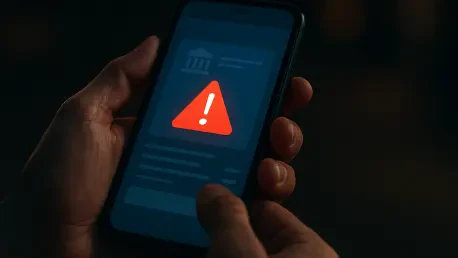
A specific technical anomaly known as the “red banner” error has become a focal point for customer outrage during this recent service collapse. Many users have described a frustrating loop where, upon opening the application, they are greeted by a prompt to update their security settings or view a new notification. When they attempt to click through these seemingly routine messages, a bright red error banner appears at the top of the interface, stating that the bank is experiencing unexplained technical problems. This specific glitch is particularly aggravating because it creates a digital dead-end that renders the entire user interface unresponsive. The interface often freezes entirely, preventing customers from performing basic tasks such as checking a current balance or authorizing a scheduled payment. This mechanical failure effectively locks the user out of their own financial data, turning a simple smartphone app into a useless icon on a screen while bills go unpaid.
This technical bottleneck suggests a significant disconnect between the bank’s centralized cloud servers and the client-side application layer. Whether the issue was sparked by a faulty software update or a synchronization error in the backend database, the result remains a “frozen” user experience that leaves the customer feeling powerless and isolated. For those who rely exclusively on their mobile devices for daily commerce, this lack of functionality is not merely a minor annoyance; it is a fundamental disruption to their ability to navigate the contemporary economy. The rapid accumulation of public complaints on various social media platforms highlights how quickly a software bug can translate into a loss of agency for the consumer. Furthermore, the persistent nature of the red banner suggests that the underlying code may have deep-seated vulnerabilities that require more than a simple reboot to fix. This ongoing instability serves as a stark reminder of the fragile dependencies that define modern financial interactions.
Eroding Trust: The Hidden Costs of Service Instability
The psychological impact of this outage on consumer sentiment cannot be overstated, as digital reliability has become synonymous with financial security. In an era where open banking protocols make it easier than ever for customers to switch providers, recurring technical instability poses a direct and immediate threat to Lloyds Bank’s market share. Many users have expressed that their trust in the institution has been deeply shaken, with some explicitly threatening to move their accounts to digital-native competitors who offer more consistent uptime. When a major bank fails to provide access to capital, the customer stops seeing a legacy institution and starts seeing a liability. This shift in perception is dangerous for traditional banks that are already fighting to retain younger, tech-savvy demographics. The erosion of brand loyalty is a slow process, but an outage of this scale accelerates the migration of assets toward more resilient platforms that prioritize 24/7 accessibility above all else.
Compounding this widespread frustration is a glaring discrepancy between the lived experiences of the users and the bank’s official communications. While thousands of individuals were reporting outages on third-party tracking sites, the bank’s official service-status page frequently remained “green,” indicating that all systems were functioning perfectly. This information vacuum often occurs when an incident has not yet reached the rigid internal threshold required for a “national outage” declaration by the corporate IT department. However, for a customer standing at a grocery store checkout counter or a gas station unable to pay for their goods, this lack of official acknowledgement feels like a cold dismissal of their reality. The silence from the institution during the height of the crisis further fuels public outcry, as it suggests a lack of transparency or, perhaps worse, a lack of awareness regarding the severity of the situation. Clear communication is the only tool that can mitigate panic during a technical failure.
Navigating Risks: Security Protocols and Recovery Steps
In the absence of a swift and definitive resolution from the bank, customers are being forced to seek alternative methods to manage their finances. Traditional channels, such as physical ATMs or telephone banking services, have seen a sudden surge in volume as digital options remain unreliable. Standard troubleshooting steps, such as clearing browser caches, disabling virtual private networks (VPNs), or checking for manual app updates, may offer temporary relief for a small subset of users, but they do not address the systemic server issues at the heart of the crisis. These localized “fixes” often feel like a distraction from the larger problem, yet they are the only tools currently available to a frustrated public. Moreover, the reliance on older banking methods highlights a regression in the user experience that many had thought was a thing of the past. It forces a realization that the convenience of digital banking is contingent on a backend infrastructure that is far more vulnerable than the glossy marketing materials would suggest.
This period of digital chaos also highlights a significant secondary danger in the form of sophisticated cybersecurity threats. During outages, malicious actors frequently pose as helpful support agents on social media platforms, targeting desperate users who are seeking immediate technical assistance. These scammers often use the cover of the outage to solicit sensitive information, such as login credentials or one-time security codes, under the guise of “resetting” an account or “manually authorizing” a failed transaction. Customers are being urged to remain extremely vigilant and to remember that a legitimate financial institution will never ask for a PIN or a full password over a public chat or via an unsolicited phone call. The intersection of technical failure and social engineering creates a perfect storm for financial fraud, making it essential for users to prioritize security even when they are most frustrated. Education regarding these opportunistic threats is just as critical as the technical fixes required to bring the servers back online.
Future Strategy: Building Resilient Financial Systems
The resolution of the Lloyds Bank outage required a fundamental reassessment of how legacy institutions managed their digital transformation. In the immediate aftermath, it became clear that the institution needed to implement more robust fail-safe mechanisms that could prevent a single point of failure from cascading across multiple service channels. The transition to a microservices architecture was prioritized, allowing individual components of the banking experience to operate independently even if a primary node encountered an error. This approach ensured that a glitch in the notification system would no longer freeze the entire transactional dashboard. Furthermore, the bank invested heavily in real-time monitoring tools that integrated third-party user data into their internal status reporting. This move closed the communication gap that had previously left customers feeling ignored during the height of the crisis. By aligning official status updates with the actual user experience, the bank began the long process of rebuilding the trust.
Looking ahead from the perspective of 2026, the financial sector adopted a more proactive stance toward digital resilience by conducting frequent “stress tests” on their consumer-facing interfaces. These simulations went beyond basic load testing to include complex failure scenarios where multiple security layers were compromised simultaneously. Financial regulators introduced stricter mandates regarding digital uptime, treating a website crash with the same level of severity as a physical bank run. For the consumer, the most actionable next step involved maintaining a diversified banking strategy, holding accounts across different institutions to ensure that a single outage did not result in total financial isolation. As the industry evolved, the premium placed on reliability continued to grow, forcing banks to choose between radical transparency and the eventual loss of their customer base. The ultimate lesson of this outage was that in a digital-first world, the quality of a bank’s code was just as important as the strength of its balance sheet.