
Recent reports from the Financial Services Commission suggest that digital assets are being funneled into the domestic economy through mobile gift cards to avoid traditional banking scrutiny. This phenomenon centers on a service known as KRWQ Gifts, which utilizes an offshore stablecoin pegged directly to the South Korean won. By allowing users to purchase vouchers for major retail chains like Olive Young and Paris Baguette, the platform effectively bridges the gap between unregulated digital tokens and real-world purchasing power. The underlying issue lies in the decentralized nature of the assets involved. Because KRWQ is frequently traded on decentralized exchanges, it bypasses the rigorous identification checks required by traditional financial institutions. Authorities are concerned that this lack of oversight provides a frictionless environment for converting untraceable digital funds into cash-equivalent assets, potentially masking the origins of illicit wealth within the mainstream economy in a way that traditional cash never could.
The Regulatory Challenge: Anonymous Assets and Retail Integration
The blockchain firm IQ, which operates the KRWQ ecosystem, has successfully integrated its stablecoin into the daily lives of consumers by partnering with popular domestic brands such as Daiso. While this integration demonstrates the utility of blockchain technology, it also highlights a critical vulnerability in the current financial oversight framework. Unlike centralized exchanges that mandate comprehensive user verification, decentralized platforms allow for the peer-to-peer transfer of KRWQ without any personal data being recorded. This anonymity is precisely what attracts those looking to move funds outside the view of the Korea Financial Intelligence Unit. By converting stablecoins into gift cards, individuals can spend large sums at high-traffic retail locations without ever interacting with a bank teller or a registered digital asset provider. This setup creates a shadow economy where digital tokens function as anonymous cash, complicating efforts to track the movement of criminal proceeds and drug money that threatens the integrity of the financial markets.
In response to these emerging risks, the Financial Services Commission and the Korea Financial Intelligence Unit have initiated a formal investigation into the operational methods of offshore virtual asset providers. The core of the legal argument rests on the Act on Reporting and Using Specified Financial Transaction Information, which asserts that any entity targeting domestic users must comply with local regulatory standards, regardless of their physical location. The KoFIU has already begun exerting pressure on the issuers of KRWQ, demanding that they align their operations with transparency requirements or face significant legal penalties. This move has prompted the firms involved to seek specialized legal counsel to navigate the intensifying scrutiny from state regulators. The government’s proactive stance signals a broader shift toward closing the loopholes that have historically allowed offshore operators to function without accountability, ensuring that the domestic financial system remains resilient against sophisticated new forms of money laundering.
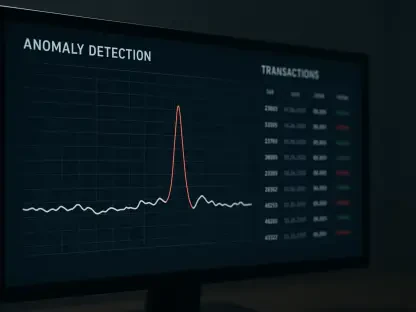
Looking ahead from 2026, the South Korean government moved toward finalizing the second-stage virtual asset legislation to address the unique complexities posed by stablecoins and decentralized finance. This legislative framework established rigorous reporting standards for any digital asset that maintains a peg to the national currency, effectively bringing offshore stablecoin issuers under the same umbrella as domestic financial institutions. Lawmakers emphasized that international cooperation was the primary factor in successfully monitoring these bypass routes, as the global nature of blockchain requires a unified front among regulators. Financial institutions were encouraged to implement advanced monitoring software capable of detecting unusual patterns in gift card redemptions and high-volume DEX transfers. By prioritizing these technological safeguards and formalizing the status of stablecoins, the authorities worked to eliminate the anonymity that once characterized the KRWQ ecosystem. These measures ultimately fortified the integrity of the retail economy.