
The End of the High-Stakes Game of Phone Tag
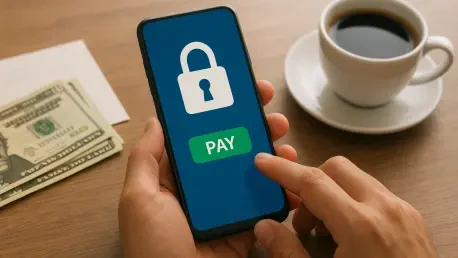
A borrower stares at their smartphone screen, caught between the urgency of a looming car payment and the valid fear that a single tap on a suspicious link could compromise their entire digital identity. This modern dilemma defines the friction between traditional financial operations and the digital reality of 2026. Traditional debt collection often feels like a relic defined by ignored calls and unopened envelopes. While modern borrowers live on their mobile devices, they have become paranoid about clicking links in unsolicited messages. The challenge for lenders is proving communication is legitimate before the recipient hits “delete.”
Why the Intersection of Convenience and Trust Is the New Financial Frontier
As “smishing” reaches record highs, sending payment links via text has become a double-edged sword. While SMS boasts higher open rates than email, it is also a primary delivery method for malware and identity theft. Financial institutions are caught in a squeeze: they need the speed of mobile communication to lower delinquency, but they must also combat the growing skepticism of a consumer base trained to avoid suspicious URLs. Balancing this need for speed with the necessity of verifiable trust is the defining boundary of the current lending landscape.
Bypassing the Link to Authenticate the Transaction
The introduction of platforms like PayPrompt Pro marks a shift toward “in-thread” experiences that prioritize security by removing the most vulnerable step of the process. Instead of navigating to an external browser, features like Reply-to-Pay allow a borrower to authorize a payment with a single-letter response. By keeping the transaction within a branded, authenticated message thread, lenders can provide deep-link journeys and instant confirmations that feel safe and integrated. This method eliminates the uncertainty of external redirects, ensuring the transaction remains within a controlled environment.
The Strategic Shift Toward Frictionless Security
SWIVEL President Amanda Licona-Crocker argues that the goal of financial technology has evolved beyond mere transactional speed. The focus shifted to “frictionless security,” where the payment process is simplified to a single character response within authenticated channels. This approach recognizes that for a digital interaction to be successful, it must feel instinctively trustworthy to the end-user. Ensuring that convenience does not come at the cost of brand integrity allows institutions to maintain long-term relationships without compromising the safety of borrower data.
Implementing a Modernized Communication Framework for Lenders
To adopt secure text-based payments, financial institutions focused on purpose-built workflows integrated into back-end infrastructure for real-time reconciliation. By utilizing branded communications and avoiding the red flags of traditional SMS collections, lenders streamlined the borrower experience and reduced delinquency. These organizations prioritized automated, personalized reminders that felt like a service rather than a solicitation. This strategic shift built a resilient payment ecosystem that thrived on verified engagement and modernized security standards.