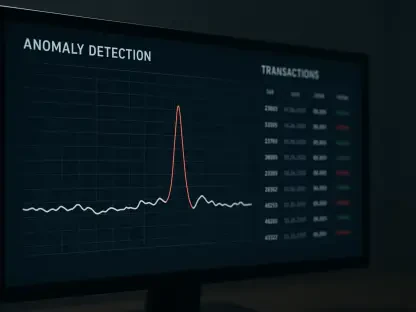

As autonomous AI agents transition from simple digital assistants to sophisticated financial proxies capable of executing high-volume purchases, the traditional concept of a manual checkout is rapidly dissolving into a stream of invisible machine-to-machine interactions. This systemic paradigm shift introduces a reality where fraud controls designed for human behavior are becoming obsolete against the speed and logic of automated machines. The transition from transaction monitoring to intent verification is no longer a luxury but a fundamental necessity for maintaining the integrity of the global financial ecosystem.
The Evolution of Autonomous Transaction Monitoring
Market Momentum: The Shift to Machine-to-Machine Commerce
The rapid growth in agentic AI adoption is projected to fundamentally alter payment volumes from 2026 to 2030. Current Fraud Management Systems (FMS) are increasingly limited because they rely on detecting human behavioral patterns, such as dwell time or typing rhythm, which are nonexistent in agentic commerce. When human-in-the-loop friction is removed, payment velocity accelerates beyond the capacity of traditional filters to effectively differentiate between a legitimate automated request and a sophisticated exploit.
Real-World Applications: The Rise of AI Proxy Buyers
Fintech innovators like Vivox AI are already establishing frameworks for autonomous financial delegation, allowing agents to manage recurring procurement and just-in-time supply chain payments. However, this efficiency is a double-edged sword; malicious “shadow agents” are being deployed to probe merchant vulnerabilities at scale. These entities use iterative logic to find weaknesses in payment gateways, performing thousands of micro-tests that appear as legitimate traffic until a significant breach is achieved.
Expert Perspectives: Vulnerabilities of Automated Payments
Insights from the Financial Innovation Forum suggest that current Point-of-Sale (POS) security is largely ineffective against agentic logic. Experts highlight the phenomenon of “Upstream Risk,” where compromised decision-making occurs before a payment instruction is even generated. If an agent is manipulated by deceptive data or malicious code, it will execute a transaction that appears authorized and valid to the bank, even though the underlying intent was fraudulent.
The “Consent Gap” presents another significant danger, as static approvals are ill-suited for dynamic, multi-step AI actions. Professional opinions suggest that using a single authorization for an agent capable of making hundreds of independent purchases creates an unmanageable surface for loss. Without granular control over what an agent can buy and for how much, the potential for systemic financial depletion remains high.
Future Implications: The Roadmap for Resilient Controls
A shift toward granular, programmable consent is essential, moving beyond one-time authorizations to time-bound and category-specific permissions. Challenges in identity and liability persist, as determining fault when an AI agent is manipulated by a fake merchant remains a legal gray area. Furthermore, the evolution of AML and sanctions compliance must now match the near-instantaneous speed of automated exploitation, requiring agent-aware audit trails that document the intent behind every autonomous purchase.
Securing the Future of Digital Intent
The industry recognized that safeguarding the financial landscape required a complete move from monitoring manual checkouts to protecting the entire lifecycle of digital authorization. Financial institutions prioritized stress-testing their systems against automated misuse rather than waiting for standardized regulations to emerge. Redefining identity to include both the human and their digital proxy proved to be the only viable way to maintain trust in an autonomous economy. This proactive shift ensured that the speed of innovation did not outpace the fundamental security of the payment ecosystem.