

Small and medium enterprises have long struggled with the friction of traditional banking, where loan applications often disappear into a black hole of manual processing and rigid credit scoring. KB Kookmin Bank is now addressing this systemic inefficiency by launching a sophisticated embedded

The integration of financial services into non-financial platforms has reached a critical tipping point as businesses move away from traditional banking models toward more agile, API-driven ecosystems. This shift is not merely a technical upgrade but a fundamental reimagining of how consumers

The modern consumer no longer views banking as a physical location or a standalone application but rather as a seamless thread woven into their daily digital interactions. This fundamental shift marks the transition of financial services from a distinct destination to an integrated feature within

When a digital storefront seamlessly offers a 'buy now, pay later' option during the checkout process, the sophisticated machinery of embedded finance masks a high-stakes operational challenge that many organizations are currently failing to address effectively. The integration of banking and

Small business owners have historically spent an exhausting amount of time toggling between disparate financial platforms just to manage their payments, payroll, and business loans effectively. This fragmented approach often results in hidden costs and significant operational friction that prevents
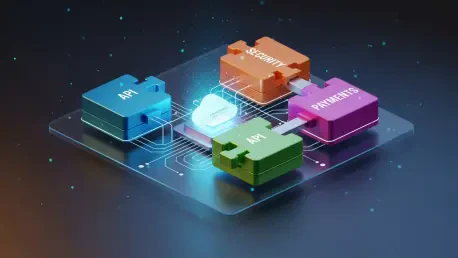
The inherent rigidity of legacy banking infrastructure is finally crumbling as agile, cloud-native systems redefine how trillions of dollars in transactions move across the global digital economy. This evolution marks a departure from the monolithic mainframe environments that dominated for