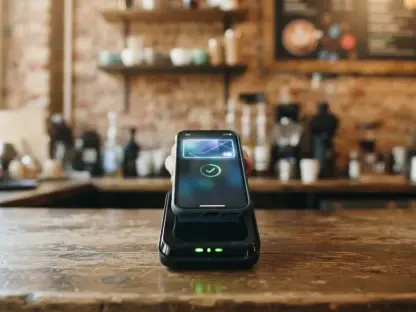

To maintain the tradition of free holiday parking, the city has strategically scheduled the full implementation of the mobile payment pilot program for early 2027. This decision, reached by the Lock Haven City Council after extensive internal review, marks a pivotal shift in how the municipality handles its daily infrastructure. The move specifically targets the East Water Street parking lot, which will serve as the primary testing ground for a new partnership with T2 Systems. By integrating a mobile payment platform, the city is attempting to balance the charm of its historic downtown with the technological expectations of a modern workforce and visiting public. City officials have spent significant time researching options that provide flexibility without requiring a complete and costly overhaul of existing hardware. This pilot program is designed to gather essential data while offering a secondary payment method for those who no longer carry physical coins, ensuring that the city remains accessible during this transition.
Modernizing Municipal Infrastructure Through Digital Innovation
The push toward digital modernization in Lock Haven is the result of collaborative efforts between various municipal departments seeking to optimize public services. City Planner Abbey Kling and Police Chief Matthew Rickard have been at the forefront of this initiative, dedicating over a year to evaluating various “smart city” technologies that could be scaled effectively for a community of this size. Their research focused on finding a solution that avoids the high capital expenditures associated with installing universal parking kiosks, which often require significant maintenance and power infrastructure. Instead, the council chose a software-driven approach that leverages the existing mobile devices already in the pockets of most drivers. This strategy reflects a broader trend among smaller American municipalities that wish to remain competitive and user-friendly without straining their annual budgets. By focusing on the East Water Street lot, the city can monitor user adoption rates and identify technical hurdles.
Adopting a pilot program rather than a city-wide mandate allows the local government to evaluate the actual impact of mobile payments on downtown commerce and driver behavior. This incremental approach is designed to prevent common pitfalls associated with rapid technological shifts, such as alienating residents who prefer traditional payment methods. The current strategy prioritizes flexibility by maintaining functional coin meters while introducing a digital alternative for those who find physical currency inconvenient. City leaders have emphasized that the goal is not to force change but to provide choices that reflect the diverse needs of the population. This method also provides the police department with a more organized way to manage parking enforcement, as digital records are inherently easier to track than manual meter checks. As the community moves closer to the 2027 launch, the focus remains on clear communication to ensure every driver understands how to navigate the new system effectively.
Operational Mechanics and Technical Implementation Details
The financial structure of the contract with T2 Systems was a critical point of discussion for the council, as they sought a cost-effective entry point into digital services. The approved agreement is valued at approximately $7,000 for the initial year, a figure that includes necessary software licensing and the installation of informational signage throughout the designated lot. While the city will maintain its standard parking rate of 25 cents per hour to keep the service affordable, users of the mobile application will be subject to a 75-cent transaction fee. This fee covers processing costs and the technological maintenance of the platform, ensuring that the city does not lose revenue through credit card processing percentages. To use the system, drivers will simply scan a unique QR code located on signs within the parking area, which will direct them to a secure portal where they can enter their payment details and vehicle license plate information quickly and safely.
One of the most significant upgrades provided by the T2 Systems platform is the automated notification feature, which addresses a long-standing complaint among downtown visitors. When a driver’s paid parking session is nearing its expiration, the software will automatically send a text message alert directly to their mobile device. This allows the user to extend their parking time remotely without having to walk back to the meter—a convenience expected to encourage longer stays in local shops and restaurants. From an enforcement perspective, the system shifts toward a license-plate-based model that streamlines the workload for police staff. Officers will use digital records to verify which vehicles have active sessions, reducing the time spent physically inspecting individual meters. This transition to digital verification not only improves efficiency but also provides a more accurate record of parking compliance, which can be useful for resolving disputes and managing high-traffic periods.
Analyzing Legislative Debate and Community Impact
The legislative process behind parking modernization revealed a variety of perspectives on how to best serve the downtown economy. While the majority of the council supported the pilot program, Councilmember Micah Clausen voiced significant concerns regarding the additional costs to the public. He argued that the combination of the hourly rate and the transaction fee might discourage some visitors from spending time in the city center. Clausen proposed an alternative model where parking would be free, but enforcement would be handled through high-tech “virtual chalking” and significantly higher fines for those who exceeded time limits. This model would rely on GPS and camera technology to track how long a vehicle remained in a specific spot without requiring any upfront payment from the driver. However, other council members felt that such a drastic shift was not yet feasible for Lock Haven, preferring a system already vetted by the local police department and city planning staff.
Councilmember Barb Masorti and others emphasized that the city had been discussing parking solutions for years without reaching a consensus, making the T2 Systems pilot a necessary step forward. They noted that the mobile payment option is a ready-to-use tool that addresses immediate needs while allowing for long-term evaluation. Mayor Joel Long reinforced this sentiment, describing the program as a “stepping stone” that avoids a long-term commitment to a single vendor. By limiting the contract to one year and one location, the city retains the power to pivot if the community reaction is overwhelmingly negative or if the technology fails to meet expectations. This cautious approach was ultimately favored by a 6-1 vote, signaling a collective desire to modernize while remaining fiscally responsible. The debate highlighted the council’s commitment to finding a balance between generating enough revenue to maintain the lots and ensuring the downtown remains an attractive destination.
Strategic Next Steps for Urban Development
As the city prepares for the 2027 rollout, officials identified several key metrics that will determine the long-term success of the mobile payment initiative. The primary focus for the upcoming year involves monitoring the adoption rate among different age groups and gathering direct feedback from local business owners. By analyzing the data provided by the T2 Systems software, the planning department gained insights into peak parking times and the average duration of stays, which was previously impossible with standard coin meters. These insights allowed the council to consider more nuanced parking policies tailored to specific days of the week or special community events. The collection of this granular data served as the foundation for future infrastructure projects, ensuring that any further expansion was backed by empirical evidence rather than anecdotal reports. The city also prioritized educational outreach to ensure residents were comfortable with the QR code interface.
The conclusion of the pilot program eventually provided the necessary clarity for the council to make informed decisions about the future of all municipal lots. By analyzing the revenue generated and the frequency of remote time extensions, the city determined that the added convenience significantly improved the overall experience for visitors. The council observed that the initial concerns regarding transaction fees were largely offset by the positive response to the text alert system, which reduced the number of accidental parking tickets. Consequently, the city moved toward a broader implementation strategy that incorporated digital payments into all downtown areas while keeping the coin-operated option for those who required it. This successful transition demonstrated that even smaller cities could successfully navigate the complexities of digital infrastructure by taking a measured and data-driven approach. The lessons learned during this trial period set a new standard for how Lock Haven managed its public resources and engaged with the technological needs of its citizens.