

The leisure and attractions industry has long grappled with the restrictive nature of traditional financial institutions that often fail to recognize the unique seasonal fluctuations and operational needs of venues such as water parks and family entertainment centers. These businesses,

The global financial landscape is currently navigating a period where transaction speeds often outpace the human ability to verify legitimacy, necessitating a fundamental shift in how institutions approach risk. Historically, screening functioned in a vacuum, separated from other compliance
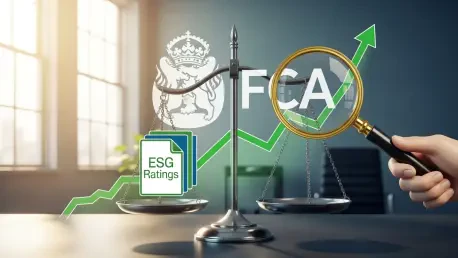
The decision by the Financial Conduct Authority to regulate the Environmental, Social, and Governance rating sector represents a fundamental shift in how global capital evaluates corporate sustainability and ethical responsibility. For years, this industry operated in a space frequently described

The federal regulatory landscape underwent a seismic shift in May 2026 when the Federal Financial Institutions Examination Council introduced a comprehensive plan to overhaul the longstanding CAMELS rating system for the first time in thirty years. This initiative, spearheaded by the Federal

Industrial safety protocols in the heavy manufacturing and logistics sectors are currently undergoing a radical transformation as companies seek to eliminate the human error inherent in managing sprawling networks of third-party contractors. The precarious nature of these industries means that even

The invisible machinery that powers every swipe and tap of a modern debit card is no longer a silent utility operating in the shadows of the global financial system. Instead, these payment "rails" have transitioned from being a mundane cost of doing business to serving as a front-line strategic