

The fragmented nature of the international monetary system continues to impose significant burdens on cross-border transactions, forcing financial institutions to navigate a labyrinth of intermediary banks and disparate regulatory frameworks that often lead to delays and increased costs. While the

The rapid transformation of the financial landscape across Europe and the United Kingdom marks a definitive shift from the era of mandatory compliance to one of strategic commercial dominance through the maturation of Open Banking. Originally conceptualized under the framework of the Payment

The financial architecture of the modern era has undergone a radical transformation as consumers move away from the rigid structures of legacy banking toward integrated digital ecosystems. In this current landscape, the reliance on traditional brick-and-mortar institutions has diminished

Kofi Ndaikate has spent his career at the pulse of financial innovation, specializing in how fintech can solve systemic gaps in our economic landscape. As an expert in digital banking and regulation, he understands that the shift toward self-employment requires a parallel shift in how we think

The sheer velocity of the United Kingdom’s financial evolution has culminated in a monumental achievement as the national Open Banking framework surpassed the 100 billion API call threshold by the midpoint of this year. This milestone is not merely a statistical anomaly but a clear indicator that
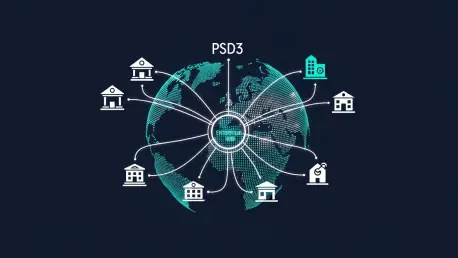
Corporate treasurers are finally discarding the cumbersome spreadsheets that once defined their daily workflows in favor of a synchronized, real-time financial architecture that bridges the gap between disparate banking platforms. For years, the industry operated under a cloud of fragmentation,