
LlamaRisk analysts suggest that the primary danger of the current bridge suspension lies in the potential for tBTC to trade at a discount on secondary markets. This sudden halt, which occurred on October 31, has highlighted the critical dependencies that modern decentralized lending platforms have on cross-chain infrastructure. While the Threshold network team was quick to clarify that all tBTC tokens are fully backed—pointing to a reserve of 4,320 BTC against a circulating supply of 4,185 tBTC—the inability for users to perform redemptions has effectively severed the link to the underlying asset. The decision to enter an emergency maintenance phase was based on undisclosed security concerns, a move that prioritized safety over immediate accessibility. For the broader market, this situation serves as a stark reminder that even collateralized assets can face significant liquidity risks if the bridge facilitating their movement becomes a temporary bottleneck for capital flows between different chains.
Crisis Management in the Lending Ecosystem
Protective Freezes and Defensive Financial Adjustments
When a bridge of this magnitude suspends operations, the ripple effects are immediately felt across major decentralized protocols that accept the bridged asset as collateral. Aave, one of the largest lending platforms in the space, took swift action through its guardian multisig to freeze the tBTC market on its Ethereum V3 Core platform. This maneuver was designed to prevent any further buildup of risk while the bridge remains inactive. At the time of the freeze, approximately $136.6 million in tBTC was stored within the Aave ecosystem, which accounts for roughly 42% of the total supply of the token. By stopping new deposits and limiting borrowing against tBTC, the protocol successfully isolated the potential impact of a de-pegging event. While new activity was restricted, the system remained open for users to repay their existing debts and withdraw their assets, ensuring that those with open positions could still manage their health factors and avoid liquidation.
Supporting these defensive measures, the risk management firm Gauntlet initiated its own emergency protocols to safeguard liquidity vaults and prevent wider market contagion. Gauntlet analysts placed tBTC-backed markets on a specialized exclusion list, effectively quarantining these positions from other more stable assets. They also significantly reduced the exposure to USDC within vaults that utilized tBTC as a primary collateral source, recognizing that a sudden loss of confidence in the bridge could lead to unpredictable price swings. These actions were not taken because of a verified loss of funds, but rather as a preemptive strike against the volatility that typically follows a reduction in redemption options. By proactively adjusting these parameters, risk managers were able to maintain protocol stability during a period of intense uncertainty. This level of coordination between automated systems and human oversight is increasingly becoming the standard for managing risk in a complex and interconnected financial landscape.
Market Liquidity and the Risks of Secondary Trading
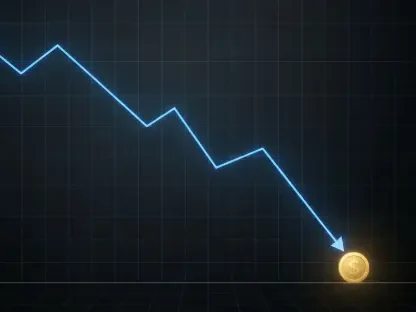
The core problem facing traders in this scenario is the absence of a direct arbitrage path, which traditionally keeps the price of tokenized assets in line with their underlying reserves. Without the ability to redeem tBTC for native Bitcoin, the tokenized version often begins to trade at a discount on secondary markets, as sellers look for exits and buyers demand a premium for the added risk of holding a locked asset. This discount creates a significant challenge for liquidation bots, which may find it impossible to profitably clear underwater positions if the market price of tBTC diverges too far from its oracle value. If the gap widens, it can lead to bad debt within lending protocols that were not prepared for such a sharp drop in collateral quality. To mitigate this, some platforms have explored the use of more conservative price oracles that account for bridge status, though this remains a difficult technical challenge that requires deep integration between different layers of infrastructure.
In the end, the industry moved toward a more resilient model by prioritizing bridge transparency and cross-chain redundancy to prevent similar disruptions from impacting the broader market. Developers focused on establishing unified standards for bridge reporting, ensuring that any maintenance or security issues were communicated to the community with greater clarity and speed. Risk managers implemented more robust circuit breakers that could automatically adjust collateral parameters based on real-time data from bridge validators. Additionally, there was a significant shift toward the use of diversified collateral baskets, reducing the reliance on any single bridge or tokenized asset for liquidity. These proactive steps ensured that decentralized protocols remained solvent and functional, even when individual components of the infrastructure faced unexpected challenges. By learning from the limitations of the current system, stakeholders successfully built a more durable foundation for the future of decentralized finance.