
The transition from manual decentralized finance to autonomous intelligence represents one of the most significant shifts in blockchain technology since the inception of smart contracts. In the current landscape of 2026, the demand for efficiency has pushed developers to move beyond static protocols and toward systems that can think, react, and execute on behalf of the user. SentismAI has emerged as a cornerstone of this movement, specifically within the Decentralized AI (DeFAI) sector, by bridging the gap between sophisticated blockchain infrastructure and autonomous agent logic. By deploying on the BNB Chain with immediate roadmaps for multi-chain interoperability, the protocol establishes a persistent automation layer that alleviates the burden of constant market monitoring. This technological leap allows individuals and institutions to participate in high-velocity markets without the exhaustion of manual input, effectively standardizing a new era where financial operations are governed by intent rather than tedious execution.
Architecture of Autonomy: The Mechanics of Intelligent Agents
The underlying foundation of SentismAI rests upon a highly modular architecture that harmonizes advanced AI models with programmable smart contracts to deliver unmatched flexibility. This system relies on programmable smart accounts that function as localized, secure execution hubs where autonomous agents operate within predefined parameters. These agents are not merely automated scripts; they are intelligent entities capable of processing real-time on-chain data to make informed decisions that align with user-specific goals. By decoupling the execution logic from the core protocol layer, the platform allows for rapid updates and the integration of diverse AI models without compromising the stability of the entire network. This structure ensures that both retail participants and professional liquidity providers can customize their experience, choosing the degree of autonomy they wish to delegate to their digital representatives while maintaining full ownership of their underlying assets.
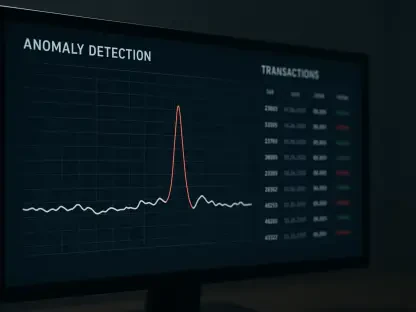
Within this ecosystem, a comprehensive suite of tools facilitates the execution of complex strategies, ranging from the OneRouter for optimal trade execution to the Sentism Account for asset management. The centerpiece remains the autonomous AI agents, which can be programmed for everything from simple token research to intricate lending optimizations. To make these tools accessible, the protocol includes a Telegram Mini App, allowing users to manage their portfolios and issue commands through a natural language interface. This democratizes access to sophisticated DeFAI tools by removing the need for deep technical knowledge of blockchain interactions. Before any transaction is finalized on the live blockchain, the system employs simulation engines that stress-test proposed strategies in virtualized environments. This proactive approach to risk management minimizes the likelihood of catastrophic errors, providing users with the confidence necessary to deploy complex strategies while the protocol monitors for vulnerabilities.
Ecosystem Management: Balancing Economic Growth and Strategic Risk
The economic vitality of the ecosystem is underpinned by the SENTIS utility token, which features a fixed supply of one billion to foster long-term stability and prevent inflationary pressure. This token serves as the primary fuel for accessing premium AI capabilities, rewarding the developers and creators who build new modules while securing the network through a robust staking mechanism. By locking SENTIS, participants earn a share of protocol revenue and participate in governance, influencing decisions on fee structures and future feature prioritizations. This alignment of interests creates a circular economy where the growth of the protocol directly benefits those who provide the capital and feedback necessary for its continued development. As the network matures, the staking model will evolve to offer tiered rewards based on the complexity of user contributions, ensuring that the platform remains self-sustaining and capable of adapting to new technological trends and market requirements.
The integration of real-world assets into the SentismAI ecosystem established a new precedent for how decentralized autonomous organizations managed physical and digital wealth. Strategic developers focused on deepening the connectivity between AI agents and traditional financial instruments, which allowed for a more holistic approach to portfolio management that transcended simple token swaps. This transition proved that the future of DeFAI resided in the ability to bridge disparate markets through intelligent automation rather than isolated blockchain silos. To capitalize on these advancements, participants prioritized the mastery of agent configuration and remained vigilant regarding protocol governance updates to stay ahead of market shifts. The focus shifted toward creating more collaborative AI frameworks where multiple agents cooperated to solve complex liquidity challenges across diverse chains. This evolution demonstrated that the most effective path forward involved a combination of human strategic oversight and machine-led execution.