
The current decentralized finance landscape often forces participants to navigate a labyrinth of incompatible networks and punishing exchange rates that erode the value of their digital holdings. While the global volume of stablecoin transfers has surged to exceed four hundred million dollars every single hour, the underlying infrastructure has historically struggled to keep pace with this demand for fluidity. In response to these persistent challenges, My Wallet has introduced a sophisticated 1:1 cross-chain stablecoin swap mechanism that effectively eliminates traditional barriers such as exchange-rate spreads and slippage. By serving over ten million users and integrating with more than eighty thousand applications via WalletConnect, the platform is actively dismantling the silos that have long divided the blockchain ecosystem. This update allows for the seamless exchange of USDT, USDC, USDe, and USDS across diverse chains without the typical burden of additional commissions or hidden fees from the provider.
Technical Architecture: Eliminating Friction in Distributed Ledgers
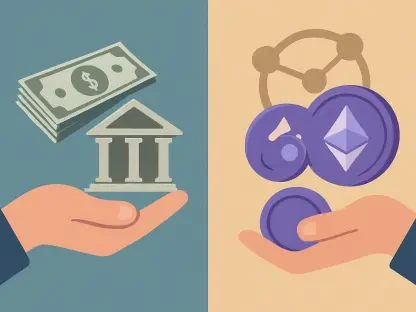
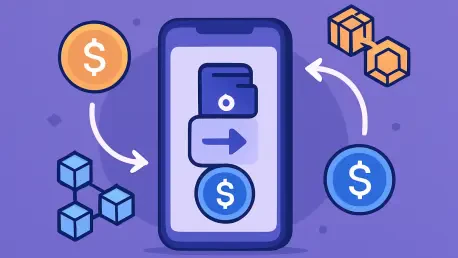
The technological architecture facilitating these swaps relies on the integration of LayerZero and NEAR Intents to provide a unified experience across disparate distributed ledgers. Traditionally, moving a stablecoin from Ethereum to a high-speed network like Arbitrum or Solana involved multiple steps, each introducing potential security risks and requiring the user to interact with complex bridge interfaces. By leveraging intent-based protocols, the system abstracts these complexities, allowing a user to simply specify the desired outcome while the back-end manages the routing logic. This means that a transfer of ten thousand USDT from one chain results in the delivery of exactly ten thousand USDC on another, provided the transaction meets the minimum threshold. This specific advancement addresses a major trend in digital finance where users prioritize the utility of an asset over the specific technical characteristics of the hosting network, facilitating a smoother transition.
Economic efficiency remains a cornerstone of this new swap aggregator, particularly as market participants seek ways to preserve capital during frequent portfolio rebalancing. In the past, liquidity providers and automated market makers often imposed significant slippage, especially during periods of high volatility or when moving large sums across chains with low liquidity. By establishing a direct 1:1 swap path for major stablecoins, the platform ensures that the inherent value of a dollar-pegged asset is maintained throughout the journey. This eliminates the uncertainty that typically accompanies cross-chain transactions, where the final amount received often differs from the initial estimate. Furthermore, the decision to waive swap commissions for these transactions positions the wallet as a highly competitive tool for both retail users and institutional traders. Such a development marks a departure from legacy models that relied on high fees, moving toward a volume-driven approach.
Strategic Implementation: Gasless Transfers and Asset Resilience
Managing network-specific gas tokens has long been one of the most significant hurdles for newcomers, requiring them to hold native assets like ETH or BNB just to perform basic transactions. To resolve this, the wallet now supports gasless EVM transfers where fees are paid using the tokens being sent, which significantly simplifies the onboarding process across networks like Base and Optimism. This focus on utility is bolstered by high security standards, as the platform has been rigorously audited by CertiK to maintain its position at the top of the wallet leaderboards. By combining gasless operations with robust, open-source code, the wallet ensures that users can interact with over eighty thousand decentralized applications without compromising on safety or speed. This integration of ease-of-use and top-tier security creates a reliable environment for both retail participants and institutional traders who require a seamless entry point into the diverse Web3 ecosystem for their daily operations.
The widespread adoption of 1:1 cross-chain swaps and gasless transactions signaled a fundamental shift toward a more unified digital economy that prioritized the user experience above technical complexity. By eliminating the barriers that previously hindered the free movement of capital, the platform established a clear roadmap for participants to optimize their digital portfolios without being penalized by network fragmentation. Investors were encouraged to utilize these tools to maintain liquidity across diverse chains, effectively turning a fragmented market into a single, accessible financial hub. Moving forward, the emphasis shifted toward full chain abstraction, where the specific blockchain used for a transaction became entirely invisible to the end user. This evolution ensured that the digital asset space became inclusive enough for a broader audience to engage in sophisticated financial activities. Ultimately, these advancements provided the necessary infrastructure for a future where seamless interoperability was no longer a luxury.