


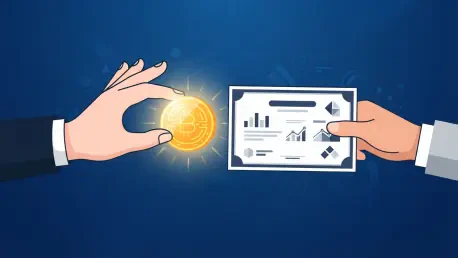

Tokenization technology provided by ST0x enables 24/7 market access to traditional securities, bypassing the rigid hours of conventional centralized stock exchanges. This development marks a pivotal shift in how global investors engage with the most established equity markets, effectively dissolving the hurdles between the high-speed world of decentralized finance and the historically slow-moving legacy systems of global trade. By utilizing a sophisticated non-custodial framework, this partnership allows for a seamless transition where blue-chip assets like tech giants and consumer staples are no longer restricted to traditional brokerage accounts. This integration is not merely a technical update but a total reconfiguration of the financial architecture, ensuring that digital assets and traditional shares exist within a unified ecosystem. The movement toward this hybrid model reflects a broader demand for transparency and speed, providing users with the ability to manage their entire financial life through a single, secure digital interface.
Integrated Wealth: The Non-Custodial SuperApp
Sumex has established itself as a comprehensive digital asset hub that prioritizes user autonomy through its non-custodial architecture, which stands in stark contrast to the centralized models of previous years. By operating as a “SuperApp,” the platform integrates various financial functions—ranging from portfolio management to cross-chain execution—into a streamlined interface that caters to both retail and institutional needs. This specific structural choice ensures that users maintain absolute control over their private keys, mitigating the counterparty risks that once plagued the digital asset industry. The platform’s ability to synthesize complex data into actionable insights has transformed it into a primary tool for those seeking to navigate the complexities of the modern economy. Its current expansion into the realm of real-world assets represents a logical progression in its mission to offer a truly decentralized wealth management experience that is as robust as any centralized bank.
Beyond security, the platform addresses the logistical challenges of managing a diverse investment portfolio by consolidating various data points into a singular, intuitive dashboard. This consolidation is particularly relevant as investors increasingly split their holdings between volatile crypto-native assets and more stable traditional equities. The current iteration of the software allows for real-time tracking of positions across multiple decentralized protocols and centralized exchanges simultaneously, effectively removing the need for fragmented third-party monitoring tools. This holistic approach is crucial for maintaining a clear understanding of one’s total net worth in an environment where assets can be moved across chains in seconds. Furthermore, the inclusion of professional-grade analytics ensures that users have access to the same level of market intelligence that was previously reserved for professional trading floors, thereby leveling the playing field for global participants.
Tokenization Framework: Bridging Assets and Networks
The technical backbone of this initiative is provided by ST0x, a specialized provider that focuses on the rigorous process of linking physical securities to digital representations on the blockchain. This is achieved through a meticulous legal and operational framework, primarily facilitated by S01 Issuer GmbH, which ensures that every token minted is backed one-to-one by actual listed shares held in secure custody. This direct link provides the necessary confidence for investors who require tangible collateral for their digital holdings, transforming abstract tokens into verifiable financial instruments. The tokenization process itself is handled in a way that minimizes friction for the end-user, who interacts with familiar ticker symbols rather than complex smart contract addresses. By bridging the gap between legal ownership and digital accessibility, ST0x has created a reliable pipeline for traditional capital to flow into the Web3 ecosystem without compromising on the regulatory compliance.
Interoperability remains a cornerstone of the ST0x architecture, as the platform has expanded its presence across several prominent blockchain networks to ensure that tokenized assets are not siloed. These networks include Ethereum, Base, HyperEVM, and the BNB Smart Chain, providing a diverse set of environments for users to deploy their capital. Such a multi-chain strategy is essential for the long-term viability of tokenized real-world assets, as it allows for greater liquidity and wider integration with existing decentralized applications. The ability to move a tokenized version of a major tech company from one network to another without losing value or legal standing is a significant achievement in financial engineering. This infrastructure supports a more resilient market where assets can find the most efficient pools of liquidity regardless of the underlying protocol. As these networks continue to evolve, the underlying technology ensures that digital stocks remain synchronized.
Economic Democratization: Accessible Blue-Chip Markets
Historically, the process of investing in blue-chip companies was characterized by high barriers to entry, including complex international banking requirements and geographic limitations that excluded many potential participants. The current integration of tokenized stocks into the decentralized space has fundamentally altered this dynamic by allowing anyone with a digital wallet to participate in the growth of major global corporations. This democratization of finance removes the gatekeepers that once dictated who could access the most profitable markets, creating a truly global investment landscape. Investors in regions with limited banking infrastructure can now hold the same high-quality assets as those in major financial hubs, simply by utilizing the decentralized protocols provided by the partnership. This shift is not just about convenience; it is about providing economic opportunity to a broader demographic that was previously sidelined by the inefficiencies of centralized systems.
While these digital assets provide significant economic exposure to the underlying securities, it is important to distinguish the specific nature of these tokens from traditional direct shareholding. Holders of these tokenized instruments benefit from the same price appreciation and market volatility as the actual stocks, allowing them to build wealth alongside the world’s most successful companies. However, these tokens typically do not carry the voting rights or the administrative complexities associated with direct equity ownership. This trade-off is often viewed as a benefit by the modern investor who prioritizes liquidity and ease of management over corporate governance participation. The focus remains on providing a seamless experience where the focus is on the performance of the asset rather than the bureaucratic overhead of legacy finance. This approach ensures that the digital dashboard reflects a high-fidelity representation of the market while maintaining the efficiency of Web3.
Strategic Growth: Adoption and Utility
To foster a vibrant ecosystem for these new financial products, a significant trading campaign was introduced with a $10,000 prize pool dedicated to real-world assets. This initiative was structured into four distinct epochs, each offering a substantial reward to participants who actively trade tokenized stocks on the Sumex platform. Beyond the immediate goal of generating liquidity and trading volume, the campaign served as an essential educational bridge for users who were previously unfamiliar with the mechanics of on-chain equity trading. By encouraging active participation, the initiative demonstrated the practical benefits of the platform’s interface, highlighting the speed and transparency that traditional brokerages often lack. This competitive environment allowed users to refine their trading strategies while becoming comfortable with the unique nuances of tokenized assets. Such incentives are vital for the early stages of market adoption, helping to build a loyal user base.
For a long time, the decentralized finance sector was limited by a high concentration of crypto-native assets, which often moved in tandem and created significant volatility within user portfolios. The introduction of real-world assets like blue-chip stocks addresses this issue by providing a broader base of collateral that has traditionally shown different performance characteristics than digital currencies. By bringing these established equities onto the blockchain, Sumex and ST0x have expanded the toolkit available to decentralized protocols, allowing for more stable lending and borrowing environments. This integration enables sophisticated financial strategies where an investor can use their tokenized exposure to a stable tech company as collateral to interact with more speculative DeFi applications. This cross-pollination between the two sectors creates a more resilient financial ecosystem that is less dependent on the fluctuations of a single asset class.
Future Considerations: A Unified Financial Framework
The partnership between Sumex and ST0x established a new precedent for how traditional and digital markets interacted, proving that the infrastructure for a unified financial system was not only possible but highly efficient. By successfully migrating blue-chip stocks into the decentralized space, the collaboration demonstrated that the rigid silos of the past could be dismantled in favor of a more transparent, 24/7 global marketplace. Investors who participated in this transition gained a significant advantage by accessing professional-grade tools and liquidity that were previously unavailable in a non-custodial format. As the industry looked toward the future, the primary focus shifted toward further integrating diverse asset classes and refining the legal frameworks that governed these digital representations. This evolution ensured that the distinction between centralized and decentralized finance continued to fade, leading to a world where wealth management was defined by user sovereignty and seamless asset mobility.


